
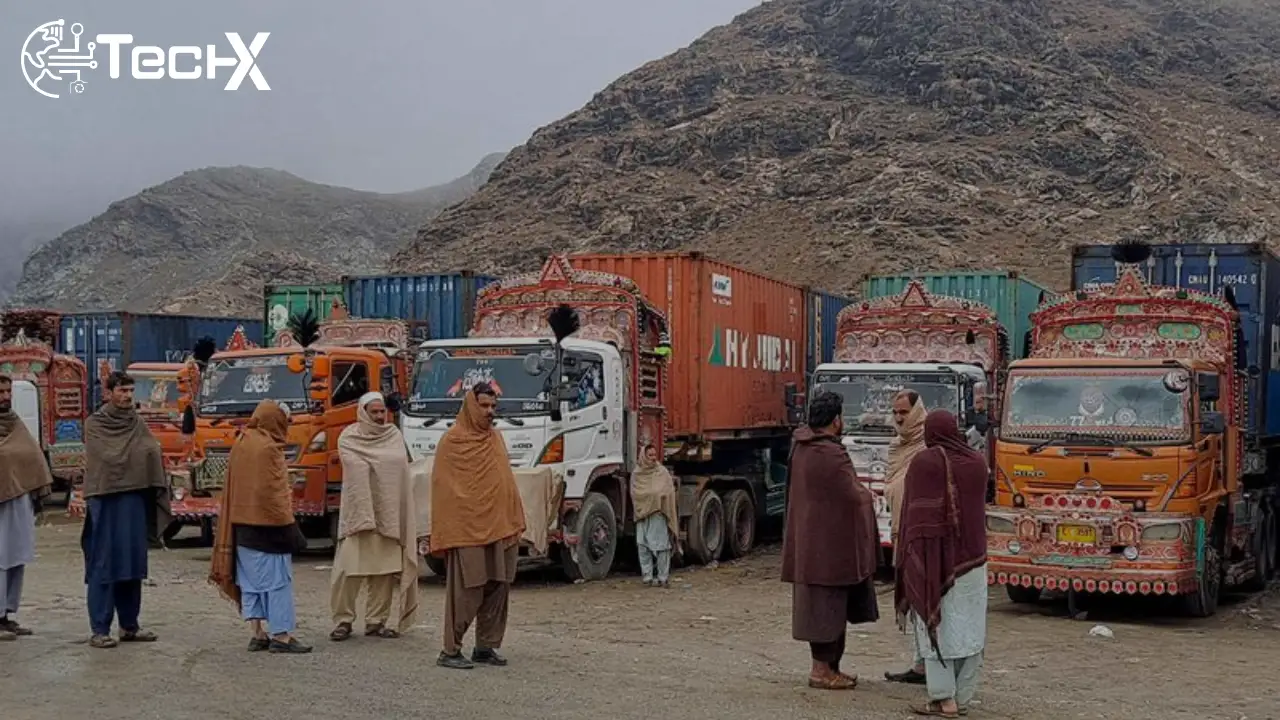
Pakistan’s transport shutdown entered its sixth day on Friday, casting a long shadow over trade and daily life. The wheel jam strike by goods transporters slowed ports, factories, and wholesale markets nationwide. Containers stood still, warehouses filled, and supply chains weakened as uncertainty spread across cities and industrial zones during prolonged economic strain for all.
Rules Spark Anger Among Transporters
The protest began after changes to motor vehicle rules angered transporters across Pakistan. They say the laws allow heavy fines, vehicle seizures, and FIR cases without fairness. Talks with officials happened briefly, yet national groups insist real problems remain untouched, keeping trucks parked and engines silent on highways nationwide despite rising pressure from traders everywhere.
Export Sector Bears Heavy Losses
Exporters felt the deepest pain as shipments failed to move on time. The Pakistan Textile Exporters Association warned that imports were stuck at Karachi Port. Finished goods waited inside factories, missing vessels daily. Such delays, exporters fear, slowly break trust with foreign buyers watching deadlines slip away and contracts weaken beyond repair in global markets.
Credibility and Trade at Risk
Business leaders say losses are rising with each passing hour of silence. Missed ships mean penalties, cancelled orders, and higher costs. Export credibility, built over years, now trembles. Once trust is lost abroad, it returns slowly, making this shutdown a risk to Pakistan’s long-term trade future and investor confidence nationwide during uncertain economic times ahead.
Traders Criticise Provincial Enforcement
Traders and transporters together blamed provincial authorities for the chaos. They complained of repeated inspections by many departments. These checks, they said, drain time and money while slowing business. From Punjab to Sindh, markets felt pressure as goods failed to reach buyers on time across urban centers and rural trade hubs alike during the strike.
Partial Relief Fails to End Strike
Some hope appeared when Lahore police assured local groups of relief. The Mazda Goods Transport Association and Punjab alliance ended protests briefly. Yet national bodies rejected the move. Leaders said only two groups stepped back, while trucks elsewhere remained halted, waiting for true policy change from federal and provincial authorities without further delays or confusion.
Transporters Vow to Continue Protest
Transport leaders vow to continue until disputed rules are eased. They demand fewer fines, no unfair seizures, and softer enforcement. Goods movement remains frozen at Karachi’s ports and highways. Until dialogue brings balance, Pakistan’s wheels stay still, and the economy waits patiently for motion to return through fair resolution and shared national understanding between all.