

DUBAI, December 10, 2025 Genetec Inc. (Genetec), the global leader in enterprise physical security software, today released its sixth annual State of Physical Security report. Based on insights from over 7,300 physical security leaders worldwide (including end users, channel partners, systems integrators, and consultants), the report shows that physical security is playing a broader strategic role with in organizations. The findings highlight closer collaboration across departments and greater interest in technologies that support better operational awareness and decision making.
Physical Security Is Transforming Into a Key Enabler of Business Outcomes
The report shows a shift in how physical security systems are deployed and valued. They are no longer viewed only as a protection layer, and instead, are becoming an enterprise function that contributes to broader organizational goals.
Genetec Leadership Emphasizes Security Role in Enterprise Growth
As it becomes more tightly woven into the broader fabric of the enterprise, security is emerging as a genuine enabler of business outcomes helping organizations work more cohesively, respond more effectively, and stay focused on long term goals, said Christian Morin, Vice President of Product Engineering at Genetec Inc.
Organizations Are Accelerating Modernization to Support Unified Security Needs
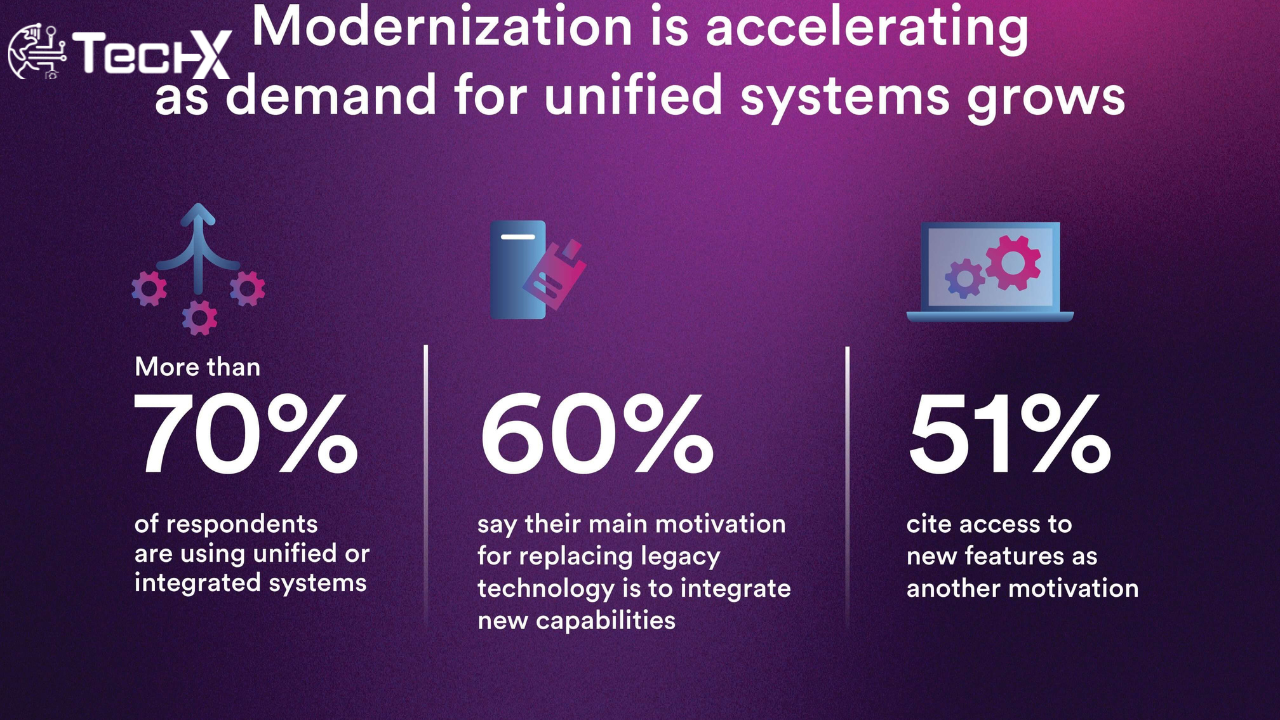
Survey findings indicate that organizations are prioritizing modernization of their physical security systems to support this shift toward stronger collaboration and business decision making. More than 70% of respondents are using unified or integrated systems, and 60% say their main motivation for replacing legacy technology is to integrate new capabilities. 51% cite access to new features as another key driver. These trends reflect a growing interest in cross functional systems that deliver operational insight and help teams achieve more with their existing investments.
Vendor Stability Has Become a Critical Factor in Security Decision Making
Survey findings show that organizations place strong importance on choosing manufacturers they consider stable and trustworthy. 73% of end users say the long term viability and stability of the vendor is a key factor when evaluating solutions, while product performance and price indicators followed behind, ranked at 45% and 43% respectively. This points to a clear preference for partners who can provide continuity, support multi year modernization efforts, and deliver reliable product development as systems evolve.
AI Adoption Is Increasing but End Users Seek Practical Transparent Use Cases
AI is an area of growing focus. For the first time, AI ranked alongside access control and video surveillance as a top project priority for 2026. Interest in adopting AI has more than doubled among end users since last years report. They see value in technology that helps navigate alarms, support investigations, and reduce noise in busy environments. At the same time, 70% express concerns about how AI systems are designed and implemented, specifically around data use and understanding how AI works, reinforcing the need for clear guidance from vendors.
Hybrid Cloud Is Emerging as the Preferred Infrastructure Approach for Security
Cloud is playing a stronger role in how security infrastructure is designed and maintained. End users identify automatic updates, ease of deployment, and simpler maintenance as key benefits. Respondents expect continued cloud adoption in 2026, supported by the flexibility to choose which workloads remain on premises and which move to the cloud.
The Report Outlines Key Priorities and Predictions for 2026
The report also provides insights into priorities for 2026, including access control modernization, cybersecurity initiatives, and the growing use of analytics. It also offers regional findings and additional forecasts to help organizations plan their next steps. For more information and to download the 2026 State of Physical Security report, please go to https://www.genetec.com/a/physical-security-report.
Survey Methodology Explains How the Global Data Was Collected
The report is based on survey responses from 7,368 physical security professionals across six global regions (USA and Canada, Latin America and the Caribbean, Europe, Asia Pacific, Middle East and Africa, and Australia and New Zealand). Participants included end users, channel partners, consultants, and manufacturers from organizations of all sizes and industries. The survey was conducted between August 18 and September 15, 2025, and only fully completed responses were included in the analysis.