

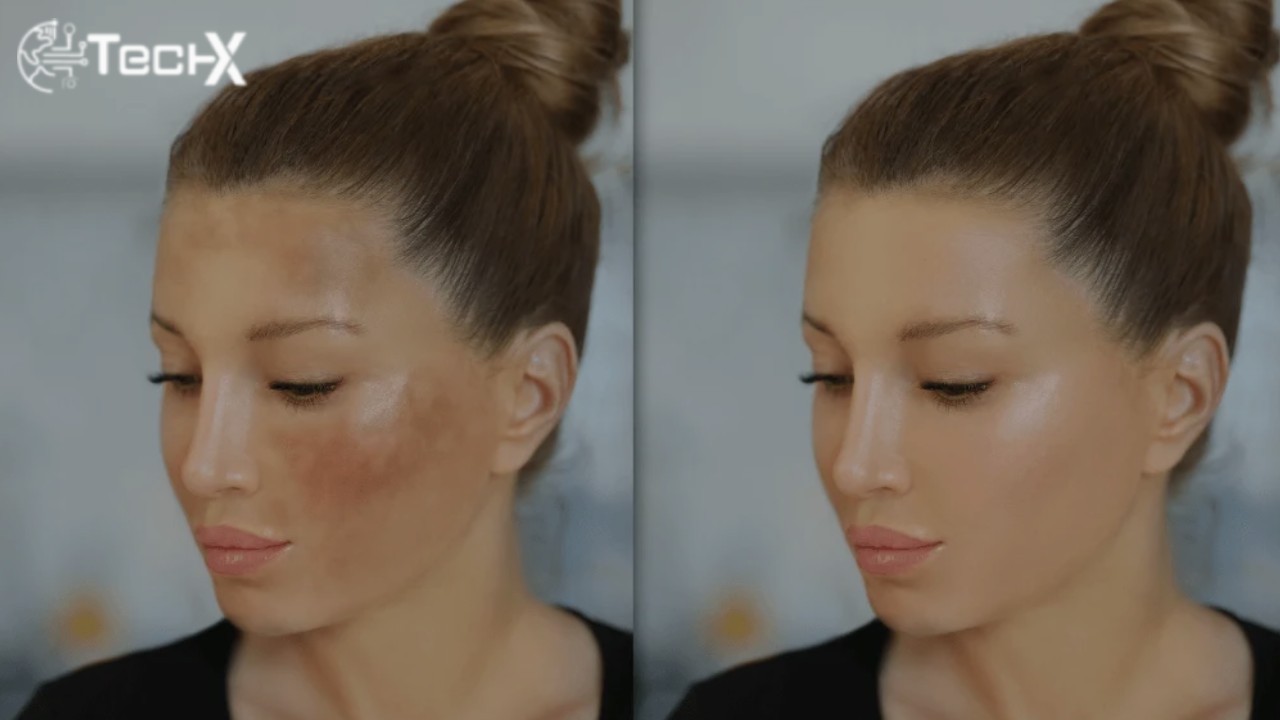
Our skin is a direct reflection of our inner health and daily habits. When dark spots appear, it’s not just a cosmetic concern – it can be a sign of underlying factors such as sun damage, hormonal imbalances, or inflammation. By understanding the root causes and treating dark spots with both health and skincare in mind, you can restore your skin’s natural clarity.
Let’s explore what causes dark spots, how health and skincare are connected, and why using the right skin whitening cream can be a game-changer.
What Are Dark Spots and Why Do They Happen?
Dark spots, also known as hyperpigmentation, are flat, discolored patches on the skin caused by an overproduction of melanin, the pigment responsible for skin color. These spots can range in color from light brown to almost black and often appear on the face, hands, and areas frequently exposed to the sun.
While commonly seen in aging skin, dark spots can affect people of all ages due to:
- Sun Exposure
- Post-Acne Scarring
- Hormonal Changes (Melasma)
- Inflammation or Skin Injuries
- Nutritional Deficiencies
- Stress and Poor Sleep
This isn’t just a skin-deep issue – it’s tied closely to lifestyle and overall health.
The Health Side of Dark Spots
-
Nutrition and Skin Clarity
What you eat has a direct impact on your skin. Diets high in refined sugar, dairy, and fried foods can increase inflammation, leading to breakouts and pigmentation. On the flip side, foods rich in antioxidants – like berries, leafy greens, nuts, and omega-3s – can support skin repair and reduce melanin overproduction.
Key Nutrients for Healthy Skin:
- Vitamin C – Boosts collagen and helps fade dark spots.
- Vitamin E – Protects skin cells from oxidative damage.
- Zinc – Reduces inflammation and supports skin healing.
- Omega-3s – Maintain skin moisture and elasticity.
Also Read: Are COVID-19 Cases Rising in Karachi?
-
Hydration and Detox
Drinking enough water helps flush out toxins from the body and keeps the skin plump and clear. Aim for at least 8–10 glasses of water daily.
-
Hormones and Skin Tone
Hormonal changes, especially in women during pregnancy or due to birth control, can lead to melasma, a form of dark spot formation. Managing hormonal health with medical guidance, balanced nutrition, and stress management can help.
The Skincare Side of Dark Spots
Pairing internal health practices with topical skincare gives the most effective results. Here’s how to address dark spots with a smart skincare routine:
-
Start With Sun Protection
No treatment will be effective if you’re not protecting your skin from UV rays. Daily use of broad-spectrum sunscreen (SPF 30 or higher) is essential, even on cloudy days or indoors.
-
Use Targeted Skincare Products
Topical treatments, especially a well-formulated skin whitening cream, can dramatically reduce pigmentation over time. Look for creams that contain:
- Vitamin C – Brightens and blocks melanin production.
- Niacinamide – Fades dark patches and improves skin tone.
- Kojic Acid – Naturally derived and effective for skin lightening.
- Licorice Extract – Soothes and reduces melanin activity.
Consistency is key. Most creams show results in 6–8 weeks of regular use.
Looking for a reliable, dermatologist-recommended option? Explore trusted pigmentation solutions, Cosmelan Plus at Trans Asian Pharma, where skin health meets science.
-
Exfoliate, Don’t Overdo It
Gentle exfoliation using alpha-hydroxy acids (AHAs) can help remove dead skin cells, allowing treatments to penetrate deeper. Avoid harsh scrubs that can worsen inflammation and pigmentation.
-
Moisturize and Repair
Use a calming, nourishing moisturizer to support the skin barrier. Ingredients like ceramides, hyaluronic acid, and panthenol are excellent for maintaining healthy skin.
-
Natural Remedies: A Caution
While home remedies like aloe vera, turmeric, or lemon juice are often recommended, they can be irritating if not used correctly. Always do a patch test and don’t substitute these for proven, safe topical treatments.
Final Thoughts
Dark spots are not just a surface issue; they’re a signal from your body. By improving your health through proper nutrition, hydration, and stress management, and combining that with an effective skincare routine including a skin whitening cream, you can successfully treat and prevent hyperpigmentation.
Disclaimer:
This post is part of a paid marketing campaign sponsored by the vendor. TechX Pakistan does not endorse, guarantee, or bear any responsibility for the products, services, or claims made herein. Any purchase, engagement, or use of the mentioned item(s) is solely between the buyer and the vendor. We encourage our audience to perform their due diligence before making any decisions.