

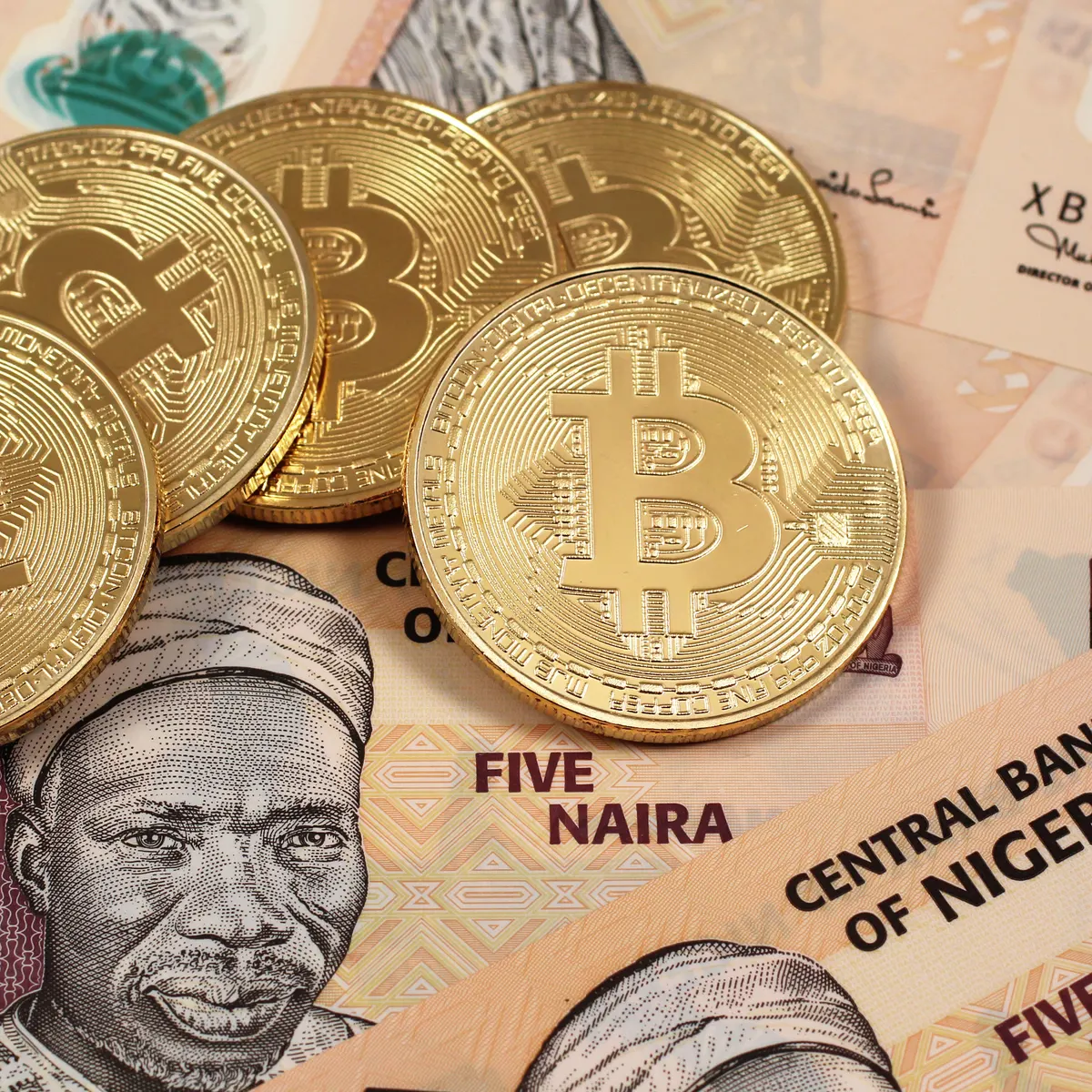
Many Nigerians have questioned whether the country’s new blockchain policy legalises cryptocurrency use.
The Federal Executive Council of Nigeria has approved the National Policy on Blockchain drafted by the Federal Ministry of Communications and Digital Economy, paving the way for the country’s formal use of blockchain technology.
Tolu Ogunlesi, the special assistant to the President on digital and new media, said in a tweet on May 2 that relevant agencies would be working to develop appropriate regulatory frameworks.
BREAKING: The Federal Executive Council today approved @FMoCDENigeria’s National Policy on Blockchain. What this means is that @NigeriaGov has now formally approved blockchain use in Nigeria. Relevant agencies are now expected to develop appropriate usage & regulatory frameworks.
— Tolu Ogunlesi, MON (@toluogunlesi) May 3, 2023
He stated that the government established a steering committee to oversee policy implementation, led by the National Information and Technology Development Agency.
However, the approved policy has not yet been made public. Ogunlesi promised to provide this as soon as possible.
Even though they had not seen the policy document, many Nigerians welcomed the news of its approval. Some have also questioned whether the new policy makes cryptocurrency use legal in the country.
The Central Bank of Nigeria (CBN) prohibited financial institutions from providing services for cryptocurrency-related transactions in 2021.
The CBN has yet to clarify its position on the industry since then. However, cryptocurrency adoption has not slowed; Chainalysis placed Nigeria in the top 20 of its 2022 Global Crypto Adoption Index.
Nigerian’s crypto-friendly moves
Meanwhile, this policy is the latest in a string of pro-crypto moves by Africa’s most populous country.
The Nigeria Securities and Exchange Commission plans to support asset tokenization, according to a report published earlier this week.
According to the report, the financial regulator is currently reviewing applications from fintech firms interested in working as subbrokers, crowdfunding intermediaries, tokenized coin issuers, and fund managers.
Prior to that, another Nigerian government agency met with Binance to discuss the establishment of a virtual assets free trade zone in the country, similar to the Dubai free trade zone.
To read our blog on “75% crypto users face distrust towards the currency,” click here