The federal government has recommended the use of dark fiber for data communication within its departments, provinces, federal ministries, and divisions due to concerns about data theft and the insecurity of third-party fiber optics for Internet services.
The risk of data breaches should be reduced as a result of this action, which should also improve the protection of sensitive data.
Govt. Has Serious Concerns on 3rd Party Fiber Optics
The circular emphasizes how frequently government agencies and institutions depend on outside fiber optics to provide internet services.
It does, however, issue a warning that utilizing these current fiber optic links could result in issues and security threats.
The government is concerned about the risk of data transfer across third-party networks due to the growing sophistication of cyber threats.

Unauthorized access and data theft are the unique concerns connected with the use of traditional fibre optic networks.
Recommendation of Dark Fiber
The use of black fibre for data connection has been advised by the government, which has recognized the need for a more secure option.
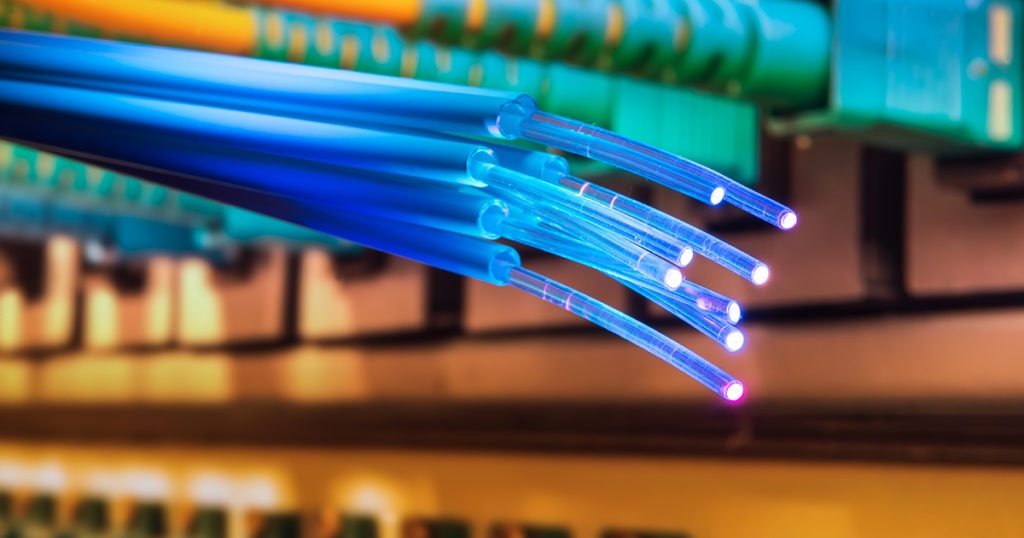
Dark fibres are optical fibre strands that are not currently transmitting data and are either underutilized or unused.
The government hopes to drastically lower the likelihood of data theft and improve overall data security by implementing dark fibre.
Due to its unique properties, dark fibre offers a higher level of security than traditional fibre optic connections. Since dark fibre cannot be accessed by outside parties, there is less chance of unauthorized interception or tampering.
The establishment of private, secure networks by the government for the transmission of sensitive data will shield the important information from potential cyberthreats and guarantee the integrity and secrecy of official communications.
To read our blog on “IT Ministry proposes the initiative of Rs. 5 billion optical fiber cable projects,” click here.