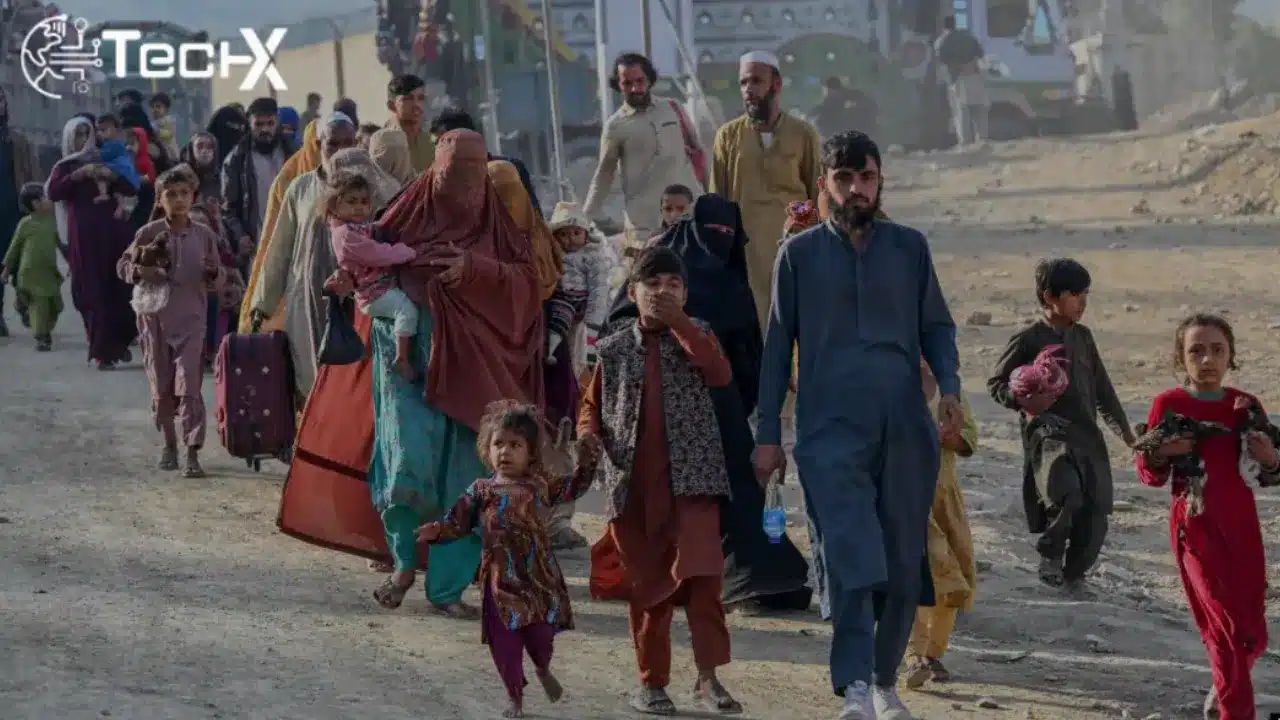
Thousands of Afghans have crossed into their homeland from Pakistan in recent days, according to reports from both the United Nations and Taliban officials. This movement follows Pakistan’s new policy push urging Afghan nationals to return. The Pakistani government set an early April deadline for around 800,000 Afghans holding Afghan Citizen Cards (ACC) to leave the country voluntarily.
Border Crossings Witness Heavy Movement
Key crossing points like Torkham in the north and Spin Boldak in the south have seen long queues of Afghan families, carrying belongings and heading home. The scenes are reminiscent of 2023, when large numbers of Afghans fled Pakistan amid fears of deportation. In just two days, 8,025 people reportedly crossed the borders, according to the UN’s International Organization for Migration (IOM).
Taliban and UN Confirm Large-Scale Returns
Taliban authorities also confirmed a high volume of returnees, albeit with slightly different figures. Abdul Mutalib Haqqani, spokesman for Afghanistan’s refugee ministry, estimated that 6,000 to 7,000 Afghans had crossed since the beginning of April. He warned that over a million Afghans might return and emphasized the need for a coordinated and respectful repatriation process between Pakistan and Afghanistan.
Urgent Calls for Dignified Deportation Procedures
Taliban officials have appealed to Pakistan to avoid forceful deportations and instead establish an agreed-upon, dignified return mechanism. “There must be a proper system and understanding between both countries,” Haqqani stressed. The current surge follows earlier crackdowns that prompted tens of thousands to return in late 2023, raising human rights concerns.
Also Read: Sindh Governor Seeks Rs100 billion for Karachi’s Development from PM
Families Forced to Flee with Minimal Notice
Many returnees describe being forced out of their homes with little warning. Abdul Rahman, a 38-year-old man who lived in Quetta, said he was given less than an hour to leave. “I sold my carpet and phone just to afford the trip. Everything else was left behind,” he said. His story reflects the hurried and distressing circumstances under which many are being pushed back.
Human Rights Concerns on the Rise
Human rights groups have highlighted growing reports of harassment and extortion targeting Afghan refugees in Pakistan. Many Afghans, including those holding UNHCR-issued Proof of Registration (PoR) cards, have been asked to relocate away from cities like Islamabad and Rawalpindi. These measures have intensified fears among refugees already struggling with uncertainty and displacement.
International Organizations Urge Preparedness
The UN’s IOM has announced its readiness to scale up assistance at major border crossings, anticipating a surge in returns in the coming days. The agency is preparing to provide essential support, such as shelter, food, and medical aid, for those arriving in Afghanistan, many of whom face bleak economic conditions and uncertain futures.
Political Strains Add to Refugee Crisis
Relations between Pakistan and Afghanistan have grown tense since the Taliban regained control in 2021. Islamabad accuses Kabul of harboring militants who carry out attacks inside Pakistan. The Taliban denies these accusations. The growing border violence and political rifts are further complicating the already dire situation for displaced Afghans caught in the crossfire of regional instability.