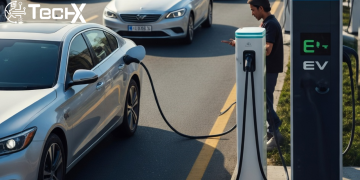
It claimed that electric cars (EC) owners who use “rapid” public charging stations pay nearly the same per mile for electricity as they do for gasoline.
While charging cars at home is less expensive, domestic bills are also rising. Much of the recent rise in electricity and gas prices has been attributed to Russia’s invasion of Ukraine.
According to the RAC, the cost of charging an electric vehicle on a pay-as-you-go basis at a publicly accessible rapid charger has risen by 42% since May, to an average of 63.29p per kWh.
Because of the price increase, drivers who only use the public network to charge their vehicles now pay around 18p per mile for electricity.
According to the motoring group, that is only 1p less per mile for a petrol car driven at an average of 40 miles per gallon.
For the average-sized car, the cost per mile for charging electric vehicles at home is around 9p per mile. According to the BBC, most EV drivers charge overnight at home.
“For those that have already made the switch to an electric car or are thinking of doing so, it remains the case that charging away from home costs less than refuelling a petrol or diesel car, but these figures show that the gap is narrowing as a result of the enormous increases in the cost of electricity,” RAC spokesman Simon Williams said.
“These figures very clearly show that it’s drivers who use public rapid and ultra-rapid chargers the most who are being hit the hardest.”
Mr Williams stated that the government’s household bill support package, which will limit typical bills to around £2,500 per year until 2024, would benefit drivers charging vehicles at home.
However, he warned that those who rely on public charging stations and do not have driveways would face a “much bleaker picture.”
He stated that the cap on wholesale energy prices for businesses, which will result in bills being cut by roughly half this winter, “should lead to some price reductions by charge point operators in the coming weeks.”
“What EV drivers don’t want to see is operators raising their rates next spring if wholesale costs continue to rise,” he said.
Because of the way electricity is taxed, charging vehicles at home can be cheaper than charging them at public chargers, with the RAC urging the reduction of VAT at public chargers from 20% to 5%, the level it is in the home.
“That would reduce the cost of an 80% rapid charge by 7.91p to 55.38p per kWh, and an ultra-rapid charge by 7.99p to 55.95p per kWh and would not unfairly penalize those drivers who can’t charge their cars at home,” Mr Williams said.
The founder of the FairCharge campaign, Quentin Willson, said the government needed to “act” on charging costs by capping public charging increases and lowering VAT.
To read our blog on “Pakistan’s first electric cars charging station spotted in Karachi,” click here