
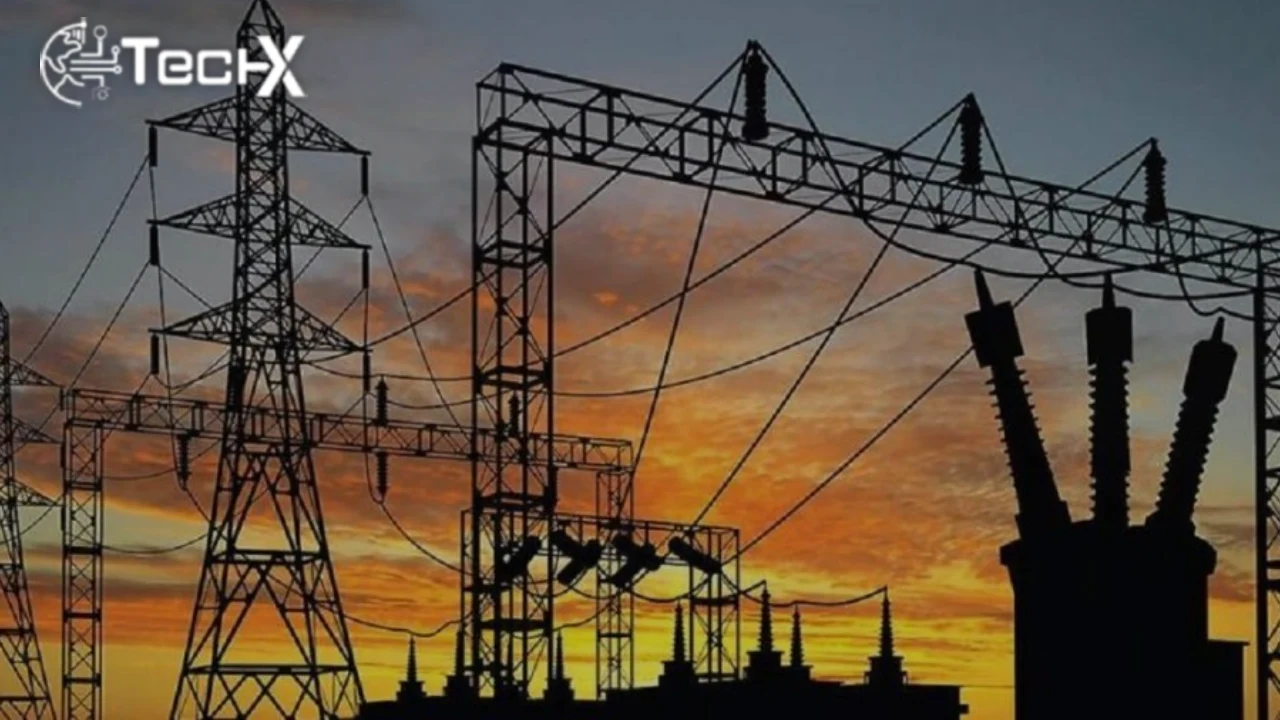
Electricity rates in Karachi are set to experience a notable decrease, following revised agreements with Independent Power Producers (IPPs). This development comes after a successful negotiation process aimed at reducing energy costs, which will soon reflect in the utility bills of Karachi’s residents. The expected reduction is a continuation of efforts to make electricity more affordable, a significant relief amidst economic challenges.
Details of the Recent NEPRA Hearing
In a recent public hearing, the National Electric Power Regulatory Authority (NEPRA) reviewed the monthly fuel charges adjustment submitted by KE Electric. The utility provider proposed a significant cut of Rs 4.98 per unit for the upcoming billing period, following a smaller reduction of Rs 0.49 per unit previously implemented in October. This adjustment represents a proactive measure to pass on the benefits of lower fuel costs to consumers.
Impact on Various Consumer Segments
The forthcoming reduction will benefit a broad range of KE Electric’s customers. However, specific consumer categories such as lifeline consumers using up to 300 units, prepaid users, agricultural sectors, and electric vehicle charging stations will not be affected by this change. This stratification ensures that the most vulnerable consumers continue to receive support while enabling cost recovery from segments with higher consumption rates.
Also Read: New App from Lahore High Court Enables Case Hearing Tracking
Discussion on KE Electric’s Operational Dynamics
During the hearing, questions were raised regarding KE Electric’s operational reliance on the National Transmission and Dispatch Company (NTDC). Discussions also touched on whether KE Electric should possess its own generation license, given its heavy dependency on NTDC for electricity supply, highlighting a critical aspect of the utility’s strategic planning and its implications for tariff adjustments.
Future Projections and Growth
NEPRA’s deliberations also explored KE Electric’s future growth projections, particularly concerning the integration of solar and other renewable energy sources. KE Electric’s shift towards captive power plants is seen as a pivotal strategy to meet growing electricity demands, particularly from the domestic sector, which has seen a 13% annual increase. This shift indicates a broader trend towards sustainability and efficiency in power generation.
Consumption Patterns and Supply Sources
Further insights from the hearing revealed that KE Electric sourced 62% of its electricity from NTDC in November, which was comparatively cheaper than other sources. The rest was generated from Liquefied Natural Gas (21%) and furnace oil (13%). This sourcing strategy not only reflects the current energy mix but also the ongoing efforts to optimize cost and efficiency in electricity supply.
Analysis of Demand Fluctuations
The demand for electricity in November showed a decrease to 2300 MW from 2600 MW in October, marking a 12% reduction. Despite this monthly decrease, there was an increase in demand compared to the previous year, with November’s demand last year being 2000 MW. These fluctuations are crucial for planning and reflect seasonal and economic variables affecting electricity usage.
Conclusion
NEPRA is set to issue a detailed decision after further reviewing the data presented during the hearing. This decision will likely cement the rate reduction for Karachi’s residents, aligning with broader regulatory efforts to ensure fair pricing in the energy sector. The anticipated reduction in electricity rates comes as a welcome development for consumers, promising relief and contributing to the overall economic stability of the region.