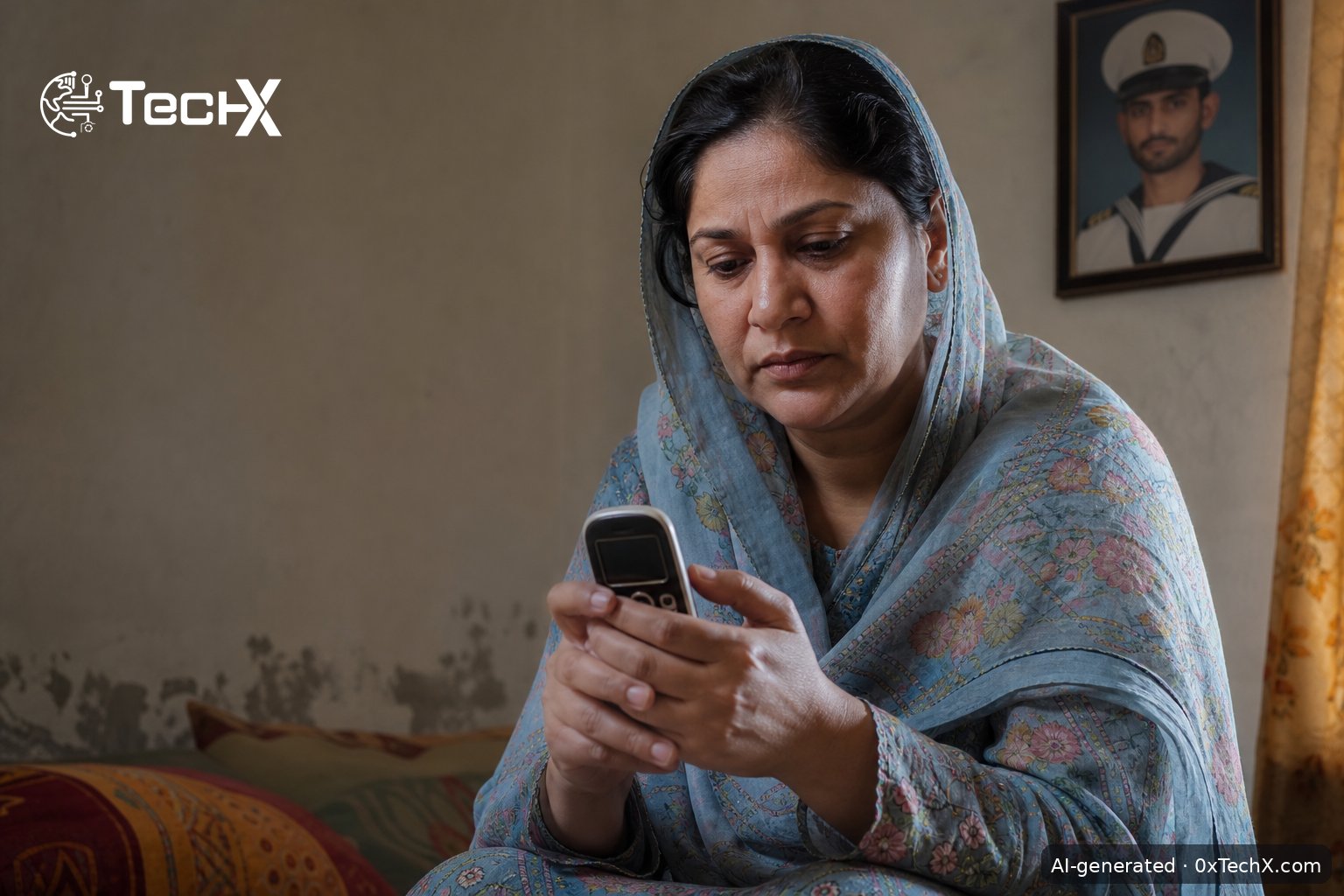
Seafarers family payments in Pakistan came under sharp Senate scrutiny on 28 October 2026, as the Functional Committee on Human Rights demanded full financial records for crew held hostage off the coast of Somalia. The case is more than a humanitarian concern, it puts a spotlight on the real gaps in Pakistan’s digital payment infrastructure when it matters most.
What Happened in the Senate
The committee, chaired by Senator Samina Mumtaz Zehri, heard a briefing on Pakistani sailors who were taken hostage off Somalia. Three crew members died during a rescue operation carried out by authorities in the Puntland region. The remaining sailors endured months of captivity before being freed.
The human cost is stark. Senator Masroor Ahsan pointed out that no formal mechanism existed to pay compensation to injured crew members. It also emerged that the kidnapped crew only started receiving their salaries after roughly eight to nine months of captivity. That is nearly a year with no income reaching their families back home.
Senator Quratul Ain Marri pressed officials for details on what the federal government had actually given to the families of deceased sailors. The committee chair then directed authorities to hand over a complete record of crew salaries, medical treatment and all financial payments from April to September 2026.
The Seafarers Family Payments Problem
On paper, the compensation picture looks manageable. The ship owner reportedly accepted liability for a contractual death benefit of around $60,000 per person. But the committee was told those payments could take five to six more months as the ship owner, the manning agency and the Protection and Indemnity (P&I) insurance parties continue talks. P&I insurance is the special liability cover that shipping companies carry for crew-related claims.
Senator Zehri made it plain: insurance disputes between companies should not be used as an excuse to keep grieving families waiting. She also asked officials to verify whether a reported Rs1.25 million assistance announced by the Prime Minister had actually been paid out, or whether it remained just an announcement.
This is the gap that fintech could close, but has not yet closed for this group of workers.
Why Fintech Infrastructure Falls Short Here
Pakistan has made real progress on digital payments. About 92% of remittances received in the last fiscal year moved through digital channels. The State Bank of Pakistan (SBP) now allows exchange companies to route home remittances through Raast, the central bank’s instant payment system, making transfers faster and cheaper. In 2024-25, Pakistan received over $38.3 billion in workers’ remittances, a huge national lifeline.
Yet the average cost of sending money across borders to Pakistan still sits at around 5.1% of the transfer amount, according to World Bank data. That is above the global target of 3%. More critically, the seafarers case shows that digital rails alone are not enough. When a worker is held hostage and the payment chain involves a foreign ship owner, a manning agency, and a P&I insurer in a different country, no Pakistani fintech app fixes that. The money simply does not move without legal clarity and institutional coordination.
For regular overseas workers, tools like Raast and mobile wallets such as JazzCash, Easypaisa and SadaPay have made receiving money faster. But for maritime workers or others in high-risk jobs abroad, the payment system has no dedicated corridor. Salaries can stop the moment a crisis starts, and families on shore have no clear way to claim what is owed. Pakistan’s push for fully digital remittances has so far focused on scale and speed, not on resilience for the most exposed workers.
If you want to understand how Pakistan’s digital payment rails are evolving more broadly, our earlier piece on Raast P2M payments coming to Pakistan’s stock market gives good context on where the infrastructure is heading.
What Needs to Change
The Senate committee case points to three concrete gaps worth watching:
- No dedicated seafarer payment channel. There is no government-backed digital mechanism to keep salaries flowing when a ship is seized. A held salary escrow system, integrated with SBP’s Raast rails, could help.
- Insurance-to-family disbursement is manual and slow. P&I insurance claims go through international legal processes that can take years. Pakistan’s maritime regulator needs a direct role in pushing for faster local disbursement once liability is accepted.
- Verification gaps for government aid. The committee had to ask whether a Prime Minister announcement had actually been paid. That is a basic data problem, one that a simple government payments dashboard, linked to CNIC-verified accounts, could solve.
The seafarers family payments issue is not just about these 10 sailors. Pakistan has one of the largest maritime workforces in the world, with thousands of seafarers working on international ships at any given time. Their families, often in smaller cities and towns, are among the most financially exposed households in the country. Getting their payment systems right is both a human rights issue and a fintech infrastructure challenge.
Frequently Asked Questions
What did the Senate committee demand on 28 October 2026?
The Senate Functional Committee on Human Rights directed officials to submit a full record of crew salaries, medical expenses and financial payments from April to September 2026. It also asked them to verify whether promised government assistance had actually been paid to the families of sailors affected by the Somalia hostage crisis.
How much compensation are the families of deceased sailors owed?
The ship owner reportedly accepted liability for a contractual death benefit of around $60,000 per deceased crew member. However, officials told the committee that actual seafarers family payments could take five to six more months while negotiations continue between the ship owner, the manning agency and the P&I insurance parties.
What is P&I insurance and why does it matter here?
P&I stands for Protection and Indemnity. It is a type of liability insurance that shipping companies buy to cover claims related to crew injury, death and other maritime incidents. In this case, the P&I insurer is one of the parties whose approval is needed before compensation reaches the families, making it a key bottleneck in the payment chain.
Does Pakistan have digital tools to speed up such payments?
Pakistan’s Raast instant payment system and mobile wallets like JazzCash and Easypaisa can move money quickly once funds are released. The SBP has also opened Raast to exchange companies for remittance flows. But the bottleneck in the seafarers case is not the local payment rail, it is the international legal and insurance process that must be resolved first before any money enters that system.