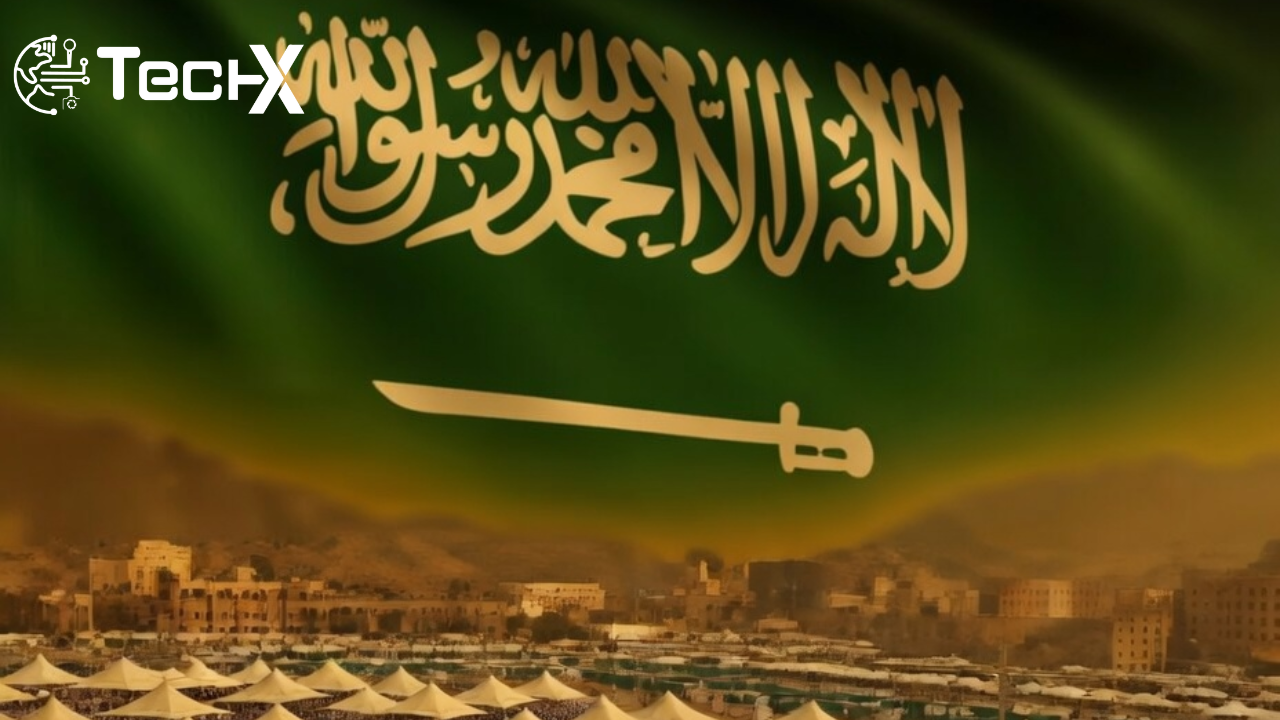
Saudi Arabia has once again implemented strict entry regulations for the holy city of Makkah ahead of the upcoming Hajj season. These measures are part of the kingdom’s annual system to manage the massive influx of pilgrims and ensure smooth organization of religious activities.
Purpose of the Restrictions
The main purpose of these restrictions is to maintain safety, crowd control, and security during Hajj, when millions of Muslims from around the world gather in Makkah. Authorities aim to prevent overcrowding and ensure that only authorized individuals with valid permits can access the holy city during the designated period.
Who is Allowed to Enter Makkah
During the restriction period, only individuals holding valid Hajj permits, official work permits, or authorized residency documents are allowed entry into Makkah. Expatriates and visitors without proper documentation are typically barred from entering the city to prevent unauthorized participation in Hajj rituals.
Enforcement by Saudi Authorities
Saudi authorities, including security forces and immigration departments, intensify monitoring at checkpoints leading to Makkah. Vehicles and individuals are screened to ensure compliance with entry rules. These measures are part of a well-established system that is enforced every year ahead of Hajj.
Importance of Crowd Management During Hajj
Hajj is one of the largest annual religious gatherings in the world, attracting millions of pilgrims. Due to this large scale, strict planning and regulation are essential to avoid incidents and ensure smooth movement of pilgrims. Entry restrictions are a key part of this crowd management strategy.
Conclusion
In conclusion, the entry restrictions for Makkah ahead of Hajj are a routine and important measure implemented by Saudi Arabia every year. These rules are designed to ensure safety, organization, and proper management of the holy pilgrimage, allowing only authorized individuals to participate in the sacred journey.