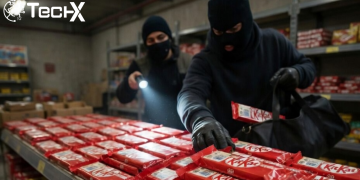

In 1987, an abandoned McDonald’s was the setting for one of the most chilling urban legends making the rounds on the internet: a mysterious figure known as “Ronnie,” missing children, a secret staircase in the kitchen, and a chilling locker labeled “100% Fresh Meat.” Although this legend has been passed around on podcasts, social media sites, and horror communities, it is purely a work of fiction designed to chill and fascinate listeners.
Although this legend has some very chilling elements, there is no evidence to support the claims. However, the legend is so fascinating because it combines familiar childhood environments, cultural icons such as mascots, and traditional horror elements to create a sense of reality that is quite startling. In this article, we will examine the legend, its cultural and psychological significance, and the real-world facts that fueled such a chilling legend.
Fiction vs Reality
Fictional Elements
- No police reports, news articles, or official investigations confirm missing children at a McDonald’s in 1987 linked to a mascot named Ronnie.
- Hidden staircases and a locker labeled “100% Fresh Meat” are storytelling devices used to create suspense.
Real Elements
- McDonald’s is a global brand with Ronald McDonald as its mascot.
- Abandoned restaurants, urban decay, and clown imagery are commonly used in horror narratives to evoke fear.
Historical Background of McDonald’s and Children
- Ronald McDonald was developed in the 1960s as a friendly character for children.
- Worldwide, McDonald’s restaurants have been favorite meeting points for children and families.
- Over the years, clowns in popular culture have transformed from friendly characters to creepy ones, especially in the online world and horror movies
Psychology of Horror in the Story
The Ronnie story employs traditional horror elements:
- Familiar settings made sinister: A McDonald’s is a setting where we feel safe, so the fear is more intense.
- Mystery and ambiguity: The missing children, the hidden staircase, and the basement all create an air of mystery that is left unanswered.
- Cultural icons turned sinister: The use of a clown, which symbolizes fun, as a scary character multiplies the horror effect.
- Sensory details: The “100% Fresh Meat” locker is a symbol of disgust and terror, which are common in horror stories.
Real Incidents Near Fast Food Locations
San Ysidro McDonald’s Massacre (1984, California, USA)
- A mass shooting killed 21 people, making it one of the deadliest U.S. mass shootings.
- Unrelated to mascots or horror legends.
Singapore McDonald’s Boys Case (1980s)
- Two boys went missing near a McDonald’s.
- This case is unsolved, but has no connection to mascots or horror plots.
Cultural Impact and Urban Legends
Urban legends such as Ronnie’s story have become a part of modern folklore, disseminated through
- Podcasts
- YouTube channels
- Social media posts
They combine familiar cultural figures, common locations, and suspense to create a sense of fear and curiosity.
The story also draws upon a broader fear of clowns and abandoned locations, a familiar theme in films, games, and creepypastas.
Lessons and Takeaways
- Not all scary things are true: Horror stories often incorporate real brands and locations for authenticity.
- Check before you believe: Be sure to verify police reports, news articles, or records.
- Urban legends are entertainment: These stories are meant to be fun.
Conclusion
- The story of Ronnie is a fictional one that has been created to entertain and frighten listeners.
- There are no documented cases of missing children, creepy mascots, or hidden lockers at McDonald’s.
- It is an example of how familiar icons, settings, and horror elements are mixed together to form modern urban legends.