
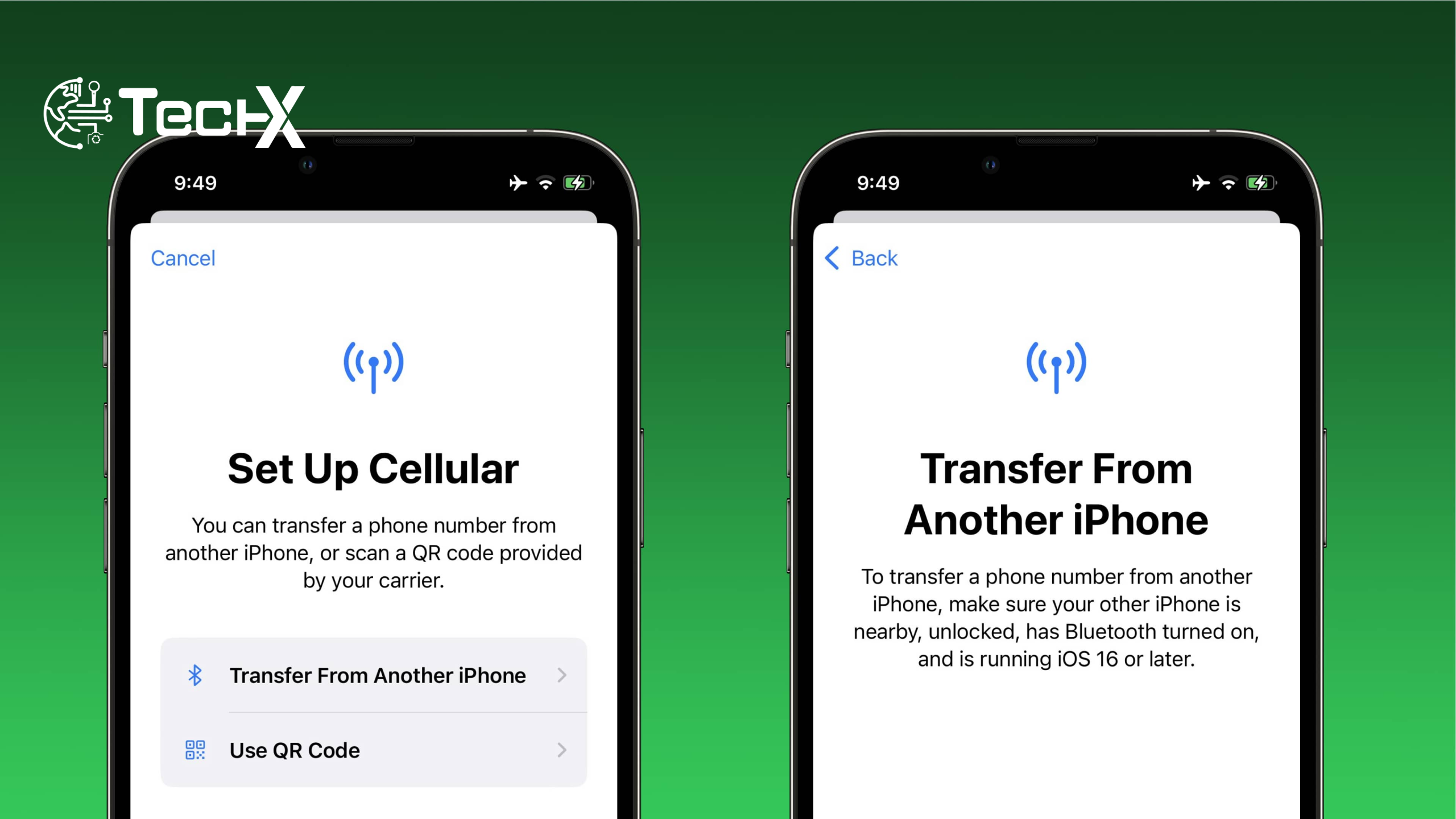
A free eSIM transfer is now available to all Pakistani mobile users up to 10 times, the Pakistan Telecommunication Authority (PTA) confirmed on Thursday, July 16, 2026. This means you can move your digital SIM from one phone to another without paying any extra fee, as long as you stay within that 10-transfer limit. The announcement removes one of the biggest worries people had about switching to an eSIM, the fear of being stuck or having to pay again when they upgrade their phone.
What PTA Told the Senate Committee
PTA Chairman Major General (R) Hafeez Ur Rehman told the Senate Standing Committee on Cabinet Secretariat that users can move an eSIM from one compatible device to another free of charge up to 10 times, and that the free transfer facility is meant to make eSIM adoption more convenient when people upgrade or replace their phones.
This is a big deal. Before this clarification, many users were not sure whether moving an eSIM to a new phone would cost extra money. Now the regulator has made it clear in a formal government setting that the first 10 moves are completely free.
What happens after the 10th transfer? PTA has not yet given a number for the cost beyond that limit, so users who expect to switch phones very often will want to watch for further announcements from the regulator.
Free eSIM Transfer Is Just One Part of a Bigger Plan
The free transfer policy is not a standalone announcement. PTA is pushing hard to grow the use of eSIM technology across Pakistan, and it is tackling cost from both sides.
The regulator is working with mobile operators to cut eSIM prices by up to 50 percent, with the current Rs. 2,000 issuance fee expected to drop to between Rs. 1,000 and Rs. 1,500. Increased demand is expected to bring prices down even further over time.
You can read more about that price cut effort in our earlier report: PTA moves to halve eSIM price in Pakistan.
The PTA chairman also clarified that the regulator plays no role in setting taxes on mobile phones, which is the job of the Federal Board of Revenue (FBR). He added that around 25 million mobile phones are manufactured in Pakistan each year, while Samsung and Apple devices are mostly imported and subject to applicable taxes.
The PTA chairman warned that higher taxes on mobile phones could slow the adoption and wider use of 5G services in Pakistan.
What Is an eSIM and Why Does This Matter for Pakistan
Unlike a traditional physical SIM card, an eSIM is embedded directly into the smartphone and can be activated digitally without inserting a removable SIM. Think of it as a digital version of the little plastic card you would normally pop into a tray. You do not need to visit a shop or wait for a courier to swap it.
In Pakistan, your digital identity is tied to your biometric data. To activate an eSIM, you must provide your thumbprint at a franchise, a designated kiosk, or through an app-based verification system. This ensures the SIM is registered to your CNIC and prevents unauthorized use.
eSIM technology is fully functional and widely available in Pakistan. Since the first rollouts in 2019, the infrastructure has grown a lot, and as of 2026 the ecosystem has expanded beyond flagship phones to include many mid-range devices, with network towers in major cities fully set up for eSIM activation.
Which Phones Support eSIM in Pakistan
If you are wondering whether your phone can use an eSIM, here is a quick guide based on current support in the local market:
- Apple: Every iPhone model from the iPhone 11 series up to the latest iPhone 17, including Pro, Pro Max, and SE (2nd Gen and later) models.
- Samsung: The Galaxy S20 through the latest S26 series, all Galaxy Z Fold and Z Flip foldables, and select A-series models like the A54 and A55.
- Google: Pixel 3 through the latest Pixel 10 and Pixel Fold devices.
- Other brands: Flagship models from Xiaomi (14/15 series), Oppo (Find X7/X8), and Motorola (the Razr series) also support eSIM in the local market.
Not sure if your Android phone supports it? Check for an EID number in the ‘About Phone’ section of your settings. If an EID is there, your phone is eSIM-ready.
The Real Benefits for Everyday Pakistani Users
The combination of free transfers and lower activation prices directly solves the two main reasons people stayed away from eSIMs. Before this, if you bought a new phone every year or two, you worried about paying again each time. With 10 free moves, that worry is gone for most users.
There is also a security upside. If your phone is stolen, a thief cannot simply remove your SIM card. The eSIM stays active, making it much easier to track your device.
For people who travel or work across networks, an eSIM lets you use two numbers at the same time, for example one for data and one for calls.
Frequently Asked Questions
How many times can I transfer my eSIM for free in Pakistan?
PTA has confirmed that you can do a free eSIM transfer up to 10 times at no charge. After the 10th transfer, the cost beyond that limit has not been officially announced yet.
Do I need to visit a shop every time I transfer my eSIM?
You need biometric verification to activate an eSIM in Pakistan, which can be done at a franchise, a kiosk, or through an app depending on your operator. For subsequent transfers within the free limit, you should follow the process your network provider sets out.
How much does it cost to get an eSIM in Pakistan right now?
The current issuance fee is Rs. 2,000. PTA is in talks with operators to bring this down to between Rs. 1,000 and Rs. 1,500, which would be a saving of up to 50 percent.
Will my existing eSIM work after I change phones?
Yes. With the free eSIM transfer policy, you can move your active eSIM profile to a new compatible phone. You stay within the free limit as long as you have not transferred more than 10 times. Always make sure your new phone is PTA-approved to avoid any registration issues.