Pakistan’s district ISP licences just got a big push. The Pakistan Telecommunication Authority (PTA) has approved 47 of them in the first half of 2026 alone, opening the door for local entrepreneurs to build and run internet businesses at the district level, in cities, small towns, and even some of the country’s most remote corners.
What Are District ISP Licences and Why Do They Matter?
A district ISP licence is a Class Licence that lets a business legally provide internet services within a single district. Before this framework, running an ISP in Pakistan required a much heavier, more expensive national or regional licence, something only large companies could afford. The new structure lowers the barrier so that local businesses and investors can enter the market.
According to PTA’s official announcement, the programme started on 1 January 2026 as part of efforts to encourage local entrepreneurship and improve broadband penetration across Pakistan. The district ISP licences are valid for 10 years, with a one-time initial fee of Rs 300,000 and an annual licence fee (ALF) of Rs 100,000 for the first year, adding up to roughly Rs 1.3 million over the full term. One important detail most coverage misses: the annual fee is not fixed. It rises by 10% each year, so operators need to plan their budgets for a slowly increasing regulatory cost over time.
How Fast Is PTA Handing Out These Licences?
The pace tells its own story. The first district ISP licence was granted in February 2026, just one, as a pilot. Then things moved quickly. March saw 12 new approvals. May brought 14 more. June broke the record with 20 licences issued in a single month. That is a licensing drive that went from one approval to twenty a month in just four months.
Punjab took the largest share. Lahore received seven licences, the most of any district. Sargodha came second with five. Faisalabad and Islamabad each received four. But the most meaningful detail is not about the big cities. PTA also issued district ISP licences for South Waziristan and Lower Chitral, areas that have historically had almost no reliable broadband. That is a signal that this programme is genuinely aimed at the underserved, not just at adding more providers where coverage already exists.

Pakistan’s Internet Gap Is Still Very Wide
To understand why this matters, you need to know the scale of the problem. Pakistan has a population of over 255 million, yet an estimated 139 million people are still offline. That puts Pakistan among the countries with the largest offline populations in the world. Most of those offline people live in rural and semi-urban areas, exactly where these new district ISP licences are meant to help.
The urban-rural gap is stark. Cities like Karachi, Lahore, and Islamabad have reasonably fast and competitive broadband markets. Small district towns and villages do not. Private telecom companies have always focused investment where the money is, dense urban areas, and left rural regions underserved. The World Bank flagged Pakistan’s “spatial divide in digital connectivity” as one of the country’s most urgent development challenges as recently as April 2025.
For rural women, the gap is even sharper. Only about 7% of women in rural Pakistan have internet access. That is a problem that goes beyond convenience, it affects access to education, healthcare information, and economic opportunity. More local ISPs will not fix this alone, but better infrastructure is the first step.
You can read more about Pakistan’s digital divide on Wikipedia for further background on how this gap has developed over the years.
What District ISPs Actually Need to Do
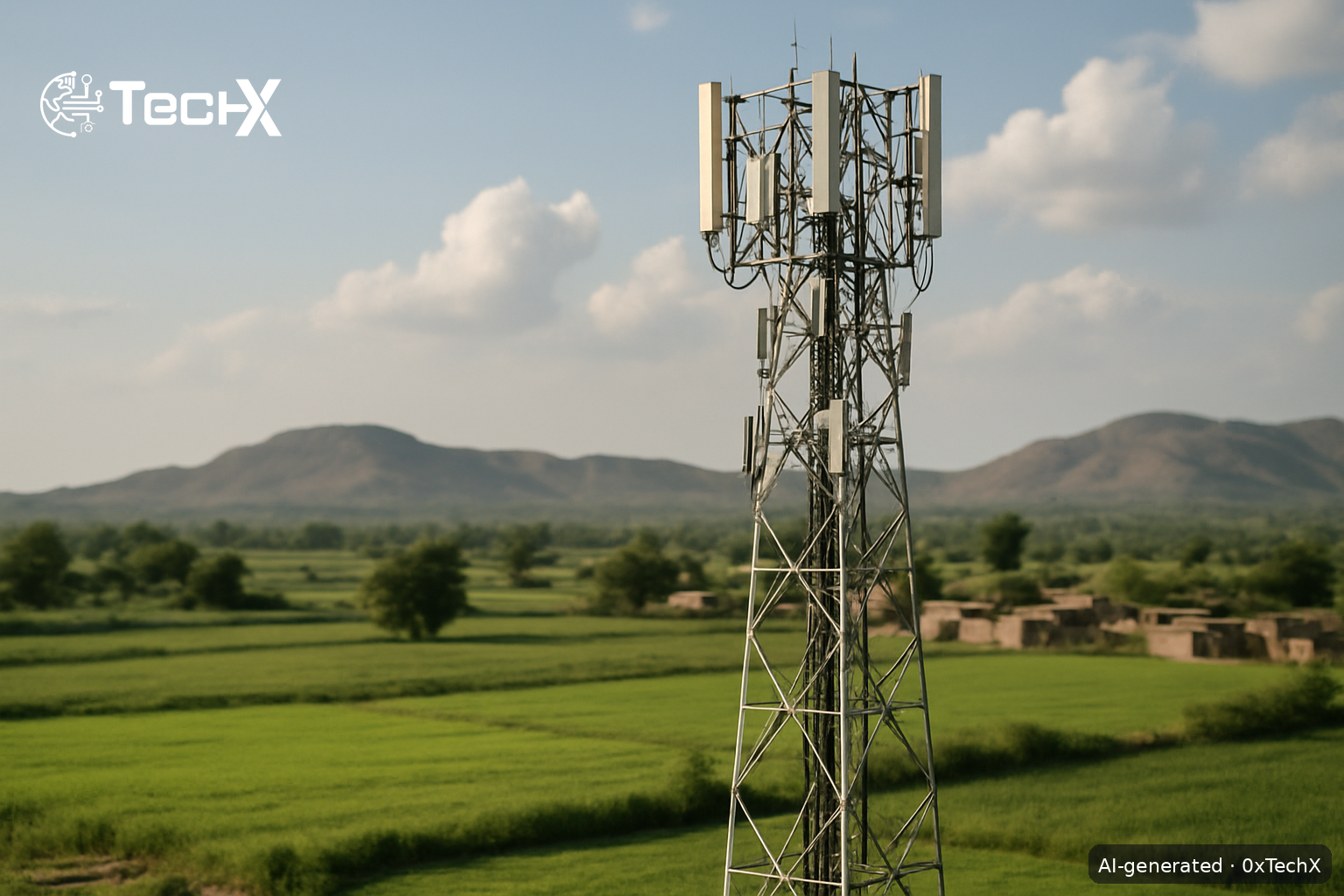
Getting a licence is just the start. The real work, and the real cost, is what comes after. The main expense for any new district ISP is buying bandwidth wholesale from a larger carrier and then building the last-mile network to reach homes and offices. That means physical infrastructure: fibre cable, wireless towers, routers, and local support teams.
This is where things can get hard in Pakistan. Many districts face unreliable electricity, which is a serious problem for ISPs that need 24/7 uptime. Areas like South Waziristan also have challenging terrain. Industry observers point out that while these district ISP licences lower the regulatory barrier, operators still need to solve real-world infrastructure challenges before customers see faster internet.
Still, the economic case is real. Local ISPs can create local jobs, technicians, customer service staff, and network engineers hired from within the district. They can also price their services more competitively because they know their market better than a national operator sitting in a head office in Islamabad.
The 5G Connection
This licensing push comes at the same time as Pakistan’s 5G spectrum rollout. On the surface, 5G and small local ISPs sound like two different worlds, one is high-tech and expensive, the other is entry-level entrepreneurship. But they connect at the last mile.
5G infrastructure, once in place, can serve as the backbone that local ISPs tap into for high-speed data distribution. A district operator could buy capacity from a 5G backbone carrier and use fixed-wireless access (FWA) to deliver broadband to homes without needing to dig fibre trenches through every street. This is exactly how last-mile connectivity has taken off in other developing markets. If Pakistan’s 5G rollout proceeds steadily, it could make district-level ISP businesses much more commercially viable.
More Competition, Better Prices?
One of the clearest benefits of more district ISP licences is competition. Right now, many districts in Pakistan have only one or two broadband options, or none at all. When a district has several ISPs fighting for the same customers, prices tend to drop and service quality tends to improve. National operators may also be pushed to upgrade their local networks to keep up.
For ordinary users, this could mean faster speeds, lower monthly bills, and better customer service, all things that Pakistani broadband subscribers have long complained about. Whether that actually happens depends on how many of these 47 licensed operators manage to build working networks and stay in business long enough to compete.
Frequently Asked Questions
How much does a district ISP licence cost in Pakistan?
The initial one-time fee is Rs 300,000. The annual licence fee starts at Rs 100,000 in the first year and increases by 10% each year. Over a full 10-year term, the total cost comes to around Rs 1.3 million in regulatory fees alone, not counting infrastructure costs.
Which districts got the most ISP licences in 2026?
Lahore received the most, with seven licences. Sargodha came second with five. Faisalabad and Islamabad each received four. PTA also approved licences for South Waziristan and Lower Chitral, marking a significant step toward connectivity in remote areas.
How is this different from existing national ISPs?
National ISPs hold licences to operate across Pakistan and usually focus on profitable urban markets. District ISP licences are cheaper to obtain and limited to one district, which makes them accessible to smaller, local businesses. The idea is that local operators can serve their own communities more efficiently and cheaply.
Will this fix Pakistan’s rural internet problem?
Not on its own. Licences open the door, but operators still need to build physical networks, deal with power cuts, and find customers who can afford broadband. The licences are a necessary first step, but rural connectivity also needs investment in power infrastructure, digital literacy, and affordable devices to make a real difference.