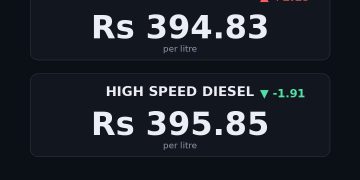

Pakistan is currently facing growing energy challenges due to instability in global oil markets. The country has long depended on imports from Middle Eastern nations, which supply the majority of its fuel needs. However, increasing geopolitical tensions in that region have created uncertainty, forcing Pakistan to rethink its energy strategy and ensure a more stable supply chain.
Impact of Middle East Tensions
The ongoing tensions in the Middle East have raised concerns about possible disruptions in key oil supply routes, especially the Strait of Hormuz. Any blockage or conflict in this area can delay shipments and increase fuel prices. For a country like Pakistan, which relies heavily on imported oil, such disruptions can quickly lead to shortages and economic pressure.
Shift Toward Alternative Suppliers
To reduce dependence on traditional sources, Pakistan is exploring new fuel suppliers such as Russia, Nigeria, and Venezuela. These countries offer potential alternatives that can help meet Pakistan’s energy demands. Russia, in particular, has been offering discounted crude oil, while Nigeria and Venezuela are also seen as viable options for diversifying supply.
Strengthening Energy Security
Diversifying fuel sources is a strategic move aimed at improving Pakistan’s long-term energy security. By engaging with multiple suppliers, the country can reduce the risk of sudden supply shocks. This approach also provides more flexibility in negotiations, potentially allowing Pakistan to secure better pricing and more favorable trade agreements.
Challenges in Implementation
Despite the benefits, shifting to new suppliers comes with several challenges. Differences in crude oil quality, transportation logistics, and refining capacity must be carefully managed. Additionally, geopolitical factors and international regulations can influence trade agreements, making the transition more complex.
A Strategic and Necessary Move
Overall, Pakistan’s decision to explore alternative fuel sources is both strategic and necessary. It reflects a proactive effort to adapt to changing global conditions and protect the country’s energy needs. While there are hurdles to overcome, this move can help Pakistan build a more resilient and secure energy future.