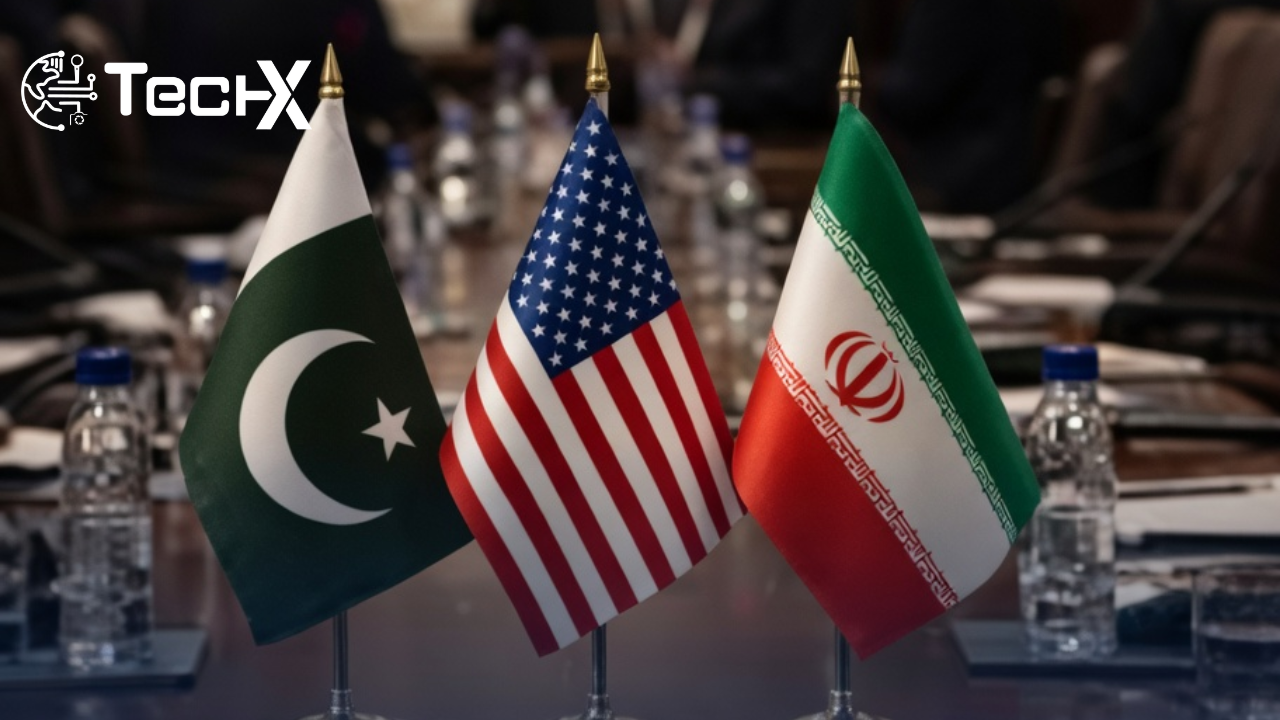
Pakistan has officially expressed its willingness to host peace talks in Islamabad between the United States and Iran, aiming to create a platform for dialogue to help end the ongoing conflict. The government has positioned Islamabad as a neutral and secure venue, offering logistical and diplomatic support if both parties agree to attend. This move reflects Pakistan’s growing role in regional diplomacy and its desire to contribute to global peace efforts.
Prime Minister Statement
Prime Minister Shehbaz Sharif stated that Pakistan is fully prepared to facilitate meaningful and conclusive negotiations between the conflicting parties. He highlighted the country’s commitment to supporting diplomatic solutions, reducing regional tensions, and ensuring that any dialogue hosted in Islamabad is productive and impartial. This announcement also signals Pakistan’s intent to maintain a constructive role in international affairs.
Pakistan Role as Mediator
Pakistan is seen as a potential mediator due to its strong diplomatic relationships with both Washington and Tehran. Its strategic geographical location and history of maintaining communication channels with Iran give Islamabad a unique advantage as a neutral facilitator. Analysts believe that Pakistan’s involvement could help bridge gaps between the U.S. and Iran and encourage constructive engagement.
Diplomatic Preparations
Behind the scenes, Pakistani authorities have been actively preparing for the possibility of hosting negotiations. Coordination with international and regional partners is reportedly underway to ensure smooth communication, logistical arrangements, and diplomatic support. These efforts reflect the seriousness with which Islamabad is approaching its potential role as a peace facilitator in the Middle East.
Potential Meeting Timeline
Reports suggest that preliminary discussions could take place soon, potentially within this week, with senior representatives from both the U.S. and Iran expected to attend. However, no official dates or formal agenda have been announced yet, and all plans remain tentative. Media outlets continue to monitor the situation closely as developments unfold.
Regional Support
Countries such as Turkey and Egypt are reportedly supporting Pakistan’s efforts to host the talks. They are acting as intermediaries, helping facilitate communication between Washington and Tehran and encouraging both sides to come together. This multinational involvement highlights the regional importance of the proposed peace dialogue.
Mixed Signals from Iran
Despite Pakistan’s diplomatic efforts, Iranian authorities have not officially confirmed participation in the proposed talks. Officials have stressed that certain conditions must be met before engagement, indicating Tehran’s cautious approach. This has added uncertainty to the timeline and the likelihood of immediate negotiations.
Current Status and Importance
At present, there is no confirmed schedule or finalized agreement for the talks in Islamabad. The situation remains fluid, with ongoing diplomatic maneuvering and international attention focused on Pakistan’s potential role. If successful, hosting these negotiations could enhance Pakistan’s standing as a regional mediator and contribute to easing tensions in a major Middle Eastern conflict.