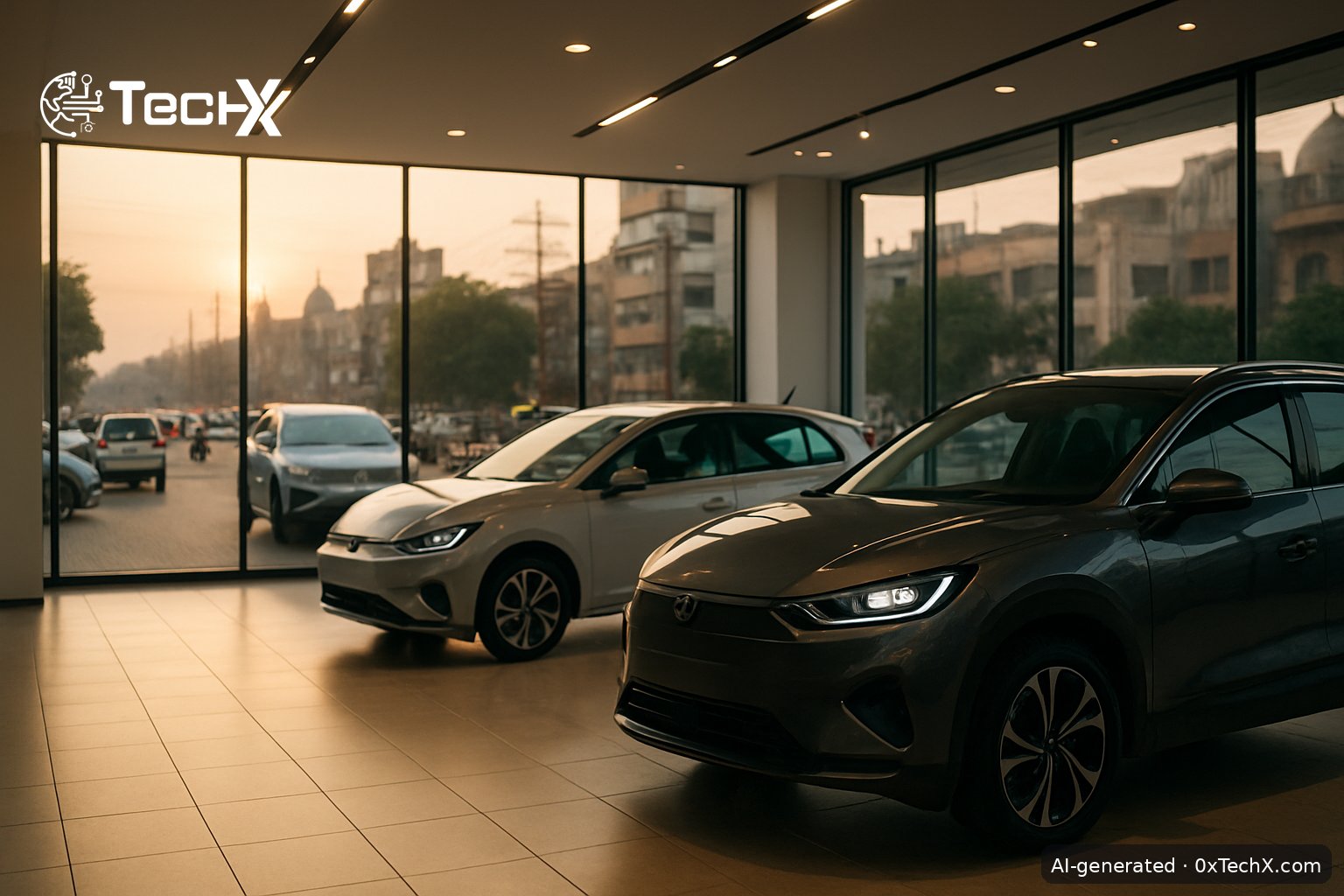
Pakistan EV launches are reshaping the country’s car market at a speed few expected. Of 23 new vehicle models set to hit Pakistani showrooms between June and December 2026, a remarkable 87% will run on electric or plug-in hybrid powertrains, leaving just three petrol-only options in the entire second-half pipeline. For ordinary car buyers, that number signals something simple but significant: the era of petrol-only being the default choice is ending.
The 87% Figure Behind Pakistan EV Launches in 2026
The data comes from Arif Habib Limited (AHL), which tracks upcoming vehicle launches across the Pakistani market. AHL data shows 23 new vehicle models are scheduled to enter Pakistan between June and December 2026. Nine will be fully electric vehicles, 11 will be plug-in hybrid (PHEV) or range-extended electric vehicles (REEVs), and only three will rely solely on petrol engines.
The expected arrivals span premium SUVs, crossovers, sedans, hatchbacks, and pickup trucks, so the electric wave is not just limited to one segment or price band. Budget city cars and premium SUVs alike are going electric.
Which Models Are Coming and When?
In June, Changan brought the petrol UNI-S crossover, GWM launched the Cannon Alpha PHEV, MG introduced the IM5 and IM6 EVs, Jetour released the T1 and T2 petrol SUVs, and Omoda launched the C7 PHEV.
July’s lineup included the Jaecoo J8 PHEV, Nevo Q05 REEV, and Deepal G318 REEV, while August and September are expected to bring the Ora 03 EV, Avatr 11 EV, and Chery QQ3 electric hatchback.
October is set to see Changan introduce the Lumin, a compact fully electric city car. Premium brand Denza is also preparing the B5 and B8 plug-in hybrid SUVs for the local market. Aion is expected to add the ES electric sedan in December, rounding out a historically busy year.
Why Chinese Brands Are Driving This Shift
The trend underscores the growing influence of Chinese automakers, which are spearheading the transition through strategic partnerships with local assemblers and distributors. Brands like BYD, Changan, Chery, MG, GAC, and Deepal are not just exporting cars, they are setting up local assembly operations to build a long-term presence.
BYD is planning to begin locally assembling EVs and plug-in hybrids in Pakistan by mid-2026, targeting 25,000 units annually. That kind of local investment matters because it can gradually bring prices down and improve after-sales support, two things buyers rightly worry about.
Automobile consultant Shafiq Ahmed Shaikh says the sector’s shift began under the Auto Industry Development and Export Policy 2021-26 and is likely to pick up pace under the upcoming Auto Policy 2026-31. In short, this is not a short-term trend, it is built into Pakistan’s official industrial roadmap.
The Real Reason the Government Is Pushing Pakistan EV Launches
Beyond the showroom excitement, there is a serious economic reason behind the push. Pakistan spends an estimated $10 to $15 billion annually on crude oil and LNG imports, and the government’s target is to save around $4.5 billion through the gradual electrification of the transport sector.
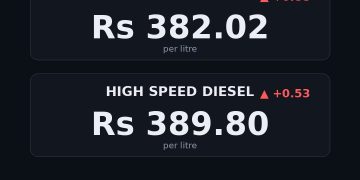
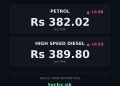
Running costs are already a strong argument for going electric. EVs cost approximately PKR 840 per 100 km to run, compared to PKR 2,600 per 100 km for petrol vehicles, and carry zero registration fees. With petrol prices rising steadily, OGRA has revised rates multiple times in 2026, that gap in daily running costs is very real for Pakistani families. You can see how petrol prices have moved by checking the latest OGRA petrol and diesel rate update.
For buyers thinking about the longer-term picture of how Pakistan powers these vehicles, it is also worth reading about Pakistan’s push to manufacture EV battery cells locally, which could make EVs significantly more affordable in the coming years.
The Gap That Still Matters: Charging Infrastructure
The launch pipeline is impressive, but the charging reality on the ground is more modest. The government targets 3,000 public charging stations by 2030, yet the country currently has an estimated 125 operational stations. That is a wide gap, and buyers need to plan around it.
Punjab, specifically Lahore and Islamabad, has more public charging infrastructure than Sindh right now. Karachi owners consistently describe a thinner network, bigger gaps between usable stations, and more upfront planning required before committing to an EV.
Lahore has more listed charging stations overall, but Islamabad currently offers the easier EV ownership experience because its chargers are spread across a smaller, more planned city. For buyers in Karachi or smaller cities, a PHEV, which can also run on petrol when no charger is nearby, may be the smarter first step into electrified driving.
PHEVs as the Practical Middle Ground
Hybrids are gaining traction faster than fully electric cars, while charging access and vehicle prices continue to limit EV adoption. This is exactly why the pipeline’s 11 PHEV and REEV models matter as much as the 9 full EVs. A PHEV lets drivers cut fuel costs on daily city runs while still having a petrol engine for long trips or when charging is not available.
Pure EVs are not the immediate answer for private cars across Pakistan’s underdeveloped grid, and PHEVs serve as the practical bridge. Buyers who want to reduce running costs without betting everything on charging infrastructure will find this year’s PHEV lineup the most relevant part of the pipeline.
Frequently Asked Questions
How many new cars are launching in Pakistan in 2026?
Pakistan’s automotive industry is gearing up for one of its busiest years in recent history, with 23 new vehicle launches expected between June and December 2026, featuring 14 different brands across EVs, PHEVs, REEVs, and petrol models.
What does 87% electrified mean for Pakistan EV launches?
It means that of the 23 upcoming models, nine are fully electric and 11 are PHEV or REEV, only three upcoming models will rely solely on petrol engines. Petrol-only cars are no longer the standard choice automakers are bringing to market.
Is charging infrastructure ready for this EV wave in Pakistan?
Not yet, honestly. Public EV charging in Pakistan is improving, but it is not yet like a petrol pump network. With only around 125 operational stations against a government target of 3,000 by 2030, buyers, especially outside Islamabad and Lahore, should research local charging options carefully before buying a full EV. A PHEV is a lower-risk option for now.
Why are Chinese brands dominating Pakistan’s new car launches?
Recent launches have strengthened the position of Chinese brands, while upcoming models from companies like GAC, Hyptec, Omoda, Jaecoo, Cannon, Sealion, and Denza show the spread of Chinese participation across categories and price levels. Chinese manufacturers can offer electric technology at lower price points than Western or Japanese rivals, and many are now investing in local assembly to stay competitive long-term.