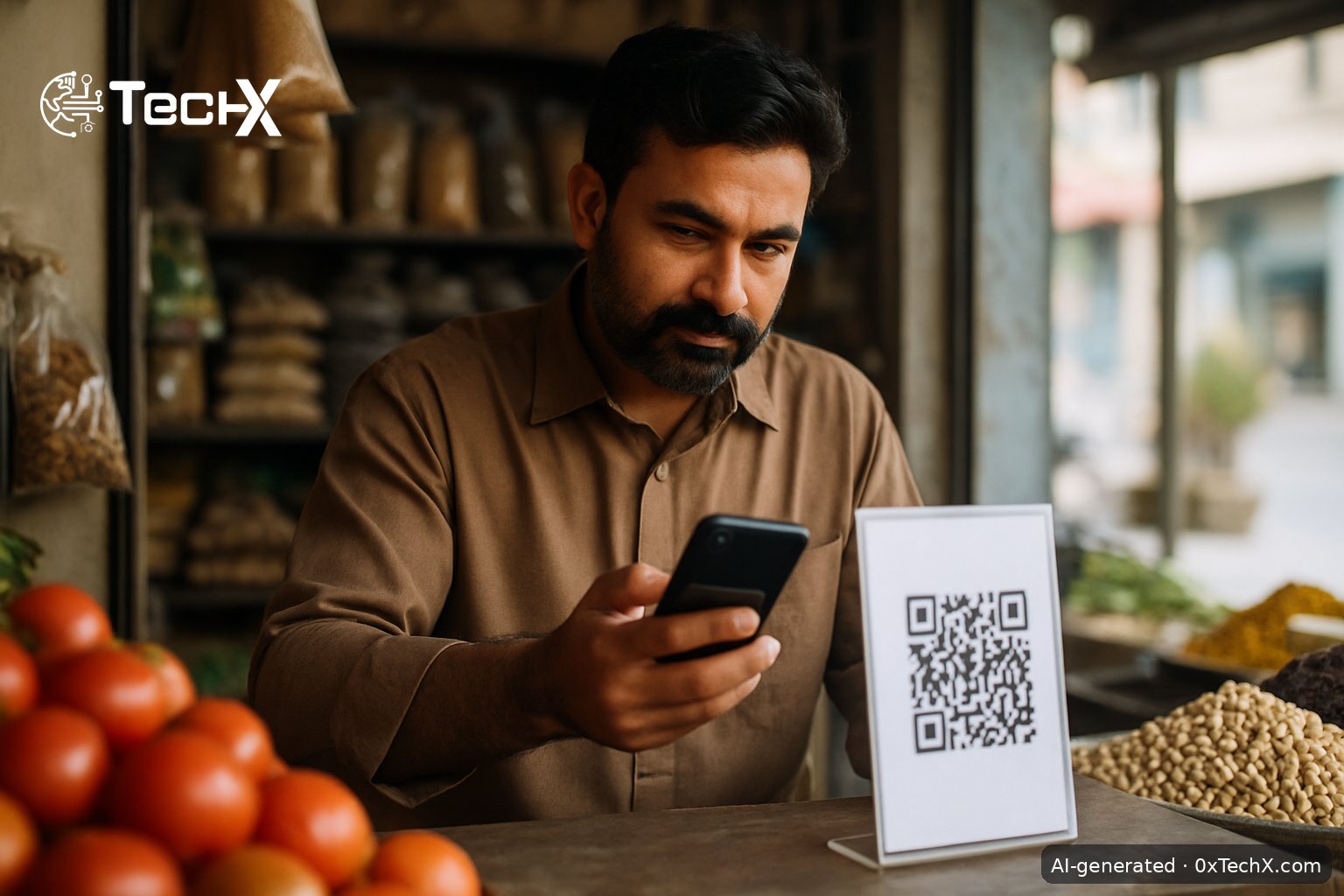
A merchant database Pakistan officials have long talked about is now moving from idea to action. The government announced on September 3, 2026 that it plans to build a single, centralized registry of all merchants in the country, a step that touches every shopkeeper, e-commerce seller, and service business that deals with Pakistani customers.
What Was Announced and Why It Matters
The proposal was discussed at a high-level review meeting chaired by Minister of State for Finance Bilal Azhar Kayani at the Finance Division on September 2, held to prepare for the upcoming Prime Minister’s Cashless Initiative review. The meeting was not a routine update. A central objective was to review last year’s progress and initiate the annual performance target setting for the national Cashless Dashboard for the current fiscal year, as well as introduce new analytical indicators to improve real-time monitoring and data transparency.
Committee members discussed strategies to expand merchant adoption nationwide and proposed establishing a centralized merchant database to enhance real-time transaction visibility. They also emphasized streamlining user journeys so citizens can seamlessly pay digitally across every touchpoint.
The meeting brought together senior officials from the Ministry of Finance, State Bank of Pakistan (SBP), NADRA, Capital Development Authority (CDA), Ministry of IT and Telecommunication, and private sector stakeholders. The presence of NADRA is significant. Pakistan’s national identity authority already holds biometric data on every citizen, which means the merchant registry could potentially be linked directly to CNIC records, making it far harder for unregistered sellers to stay off the radar.
The Gap This Merchant Database Pakistan Plan Must Close
The numbers show how big the task is. The number of merchants accepting digital payments increased from around 500,000 in June 2025 to 2.03 million by June 2026, surpassing the government’s target of two million. That sounds like good progress until you look at the full picture. Pakistan’s retail merchant universe is estimated at 4 to 5 million outlets, meaning 2 to 3 million have still not made the digital payment transition. A centralized registry is the only practical way to know exactly who is still out of the system.
The macroeconomic cost of staying cash-heavy is real. Currently, over 85% of the country’s transactions are conducted in cash, costing Pakistan trillions of rupees each year in lost taxes, cash-handling costs, and idle liquidity. More than Rs11.2 to 11.3 trillion is currently circulating in cash outside the banking system. A verified merchant database in Pakistan would give FBR a direct window into that informal economy.
How Raast P2M Connects to This Plan
Raast is an instant payment system owned and operated by the State Bank of Pakistan. It facilitates real-time settlement of small-value retail payments, including person-to-person (P2P) and person-to-merchant (P2M) transactions. For the cashless drive to work, merchants need to be on Raast. But to get merchants on Raast, the government first needs to know who and where those merchants are, which is exactly what the new database is designed to solve.
The Person-to-Merchant (P2M) QR code is designed to help established businesses receive payments through QR codes. The P2M QR is part of the Raast Person-to-Merchant payment scheme which enables use cases including proximity payments, online and e-commerce purchases, and utility bill payments.
The SBP’s Raast P2M framework already has a subsidy to pull merchants in. Under the scheme, merchants are reimbursed at a rate of 0.5% of the value of each person-to-merchant QR code-based transaction or Rs100, whichever is lower, effectively ensuring minimal to zero cost for digital adoption. A centralized merchant database would help the government direct these subsidies to the right businesses, reduce fraud, and track which sectors are lagging.
Also check out our earlier coverage of the Pakistan Fintech Forum where four regulators shared the same stage to discuss exactly this kind of digital payments reform.
What This Means for Pakistani Business Owners
If you run a shop, a stall, or an online store in Pakistan, this policy will reach you. Here is what the centralized merchant database Pakistan is likely to mean in practice:
- Digital registration becomes mandatory. Businesses that have avoided formal registration may find it harder to do so once a single national database cross-references NADRA IDs, FBR tax numbers, and bank accounts.
- Easier access to credit. Documented transaction histories are enabling merchants to formalise revenues and access working capital through regulated channels. A verified registry speeds this up.
- Real-time tax visibility. The government plans to establish a centralized merchant database to enhance real-time visibility of digital transactions, as part of its push to expand Pakistan’s cashless economy. FBR has been pushing for transaction-level data for years. This database hands them a ready-made tool.
- Subsidy targeting. Government incentives for Raast P2M can be sent directly to verified merchants instead of relying on banks to pass them down the chain.
Momentum Behind the Cashless Drive
The broader cashless initiative has picked up real speed. Annual digital transactions rose from 6.9 billion to 11.3 billion, a 64 percent increase in one year. Digital payments accounted for 92% of all retail transactions in Pakistan during the second quarter of FY26, underscoring a rapid shift toward a cashless economy, according to the State Bank of Pakistan.
Yet the big numbers can be misleading. Most of that 92% figure is driven by large-value bank transfers and government payments, not small merchant checkouts. The corner shop, the roadside vendor, and the small e-commerce seller are still firmly in the cash column. The merchant database Pakistan proposal is the government’s attempt to change that at scale.
Highlighting Prime Minister Shehbaz Sharif’s vision, Minister Kayani reaffirmed the government’s commitment to building a transparent, documented, and inclusive economy. He noted that regular progress reviews will continue to ensure swift execution and maximum convenience for the public.
Frequently Asked Questions
What is the centralized merchant database Pakistan government wants to build?
It is a single national registry that will record every merchant operating in Pakistan, linked to their identity and bank details. The goal is to give regulators, the SBP, and the FBR real-time visibility into digital transactions and to help bring informal businesses into the documented economy.
How does this affect Raast P2M payments?
Raast P2M lets businesses accept payments from customers directly through their bank app via QR codes, payment links, or Request-to-Pay flows. A centralized merchant database would make it far easier to onboard the remaining 2 to 3 million unregistered merchants onto Raast and to direct government subsidies to them efficiently.
Will small shop owners have to register?
No formal law has been passed yet. The announcement is a policy proposal discussed at the Finance Division. However, given that the plan involves NADRA and FBR, it is likely that registration will eventually be tied to tax compliance and the ability to receive digital payments legally. Business owners should begin preparing their documents now.
When will the merchant database be ready?
No official launch date has been given. The proposal was raised at a preparatory meeting ahead of the PM’s Cashless Initiative review. Implementation will depend on inter-agency coordination between the Ministry of Finance, SBP, NADRA, and FBR. Given the pace of Pakistan’s recent digital reforms, a phased rollout within the current fiscal year is plausible but not yet confirmed.