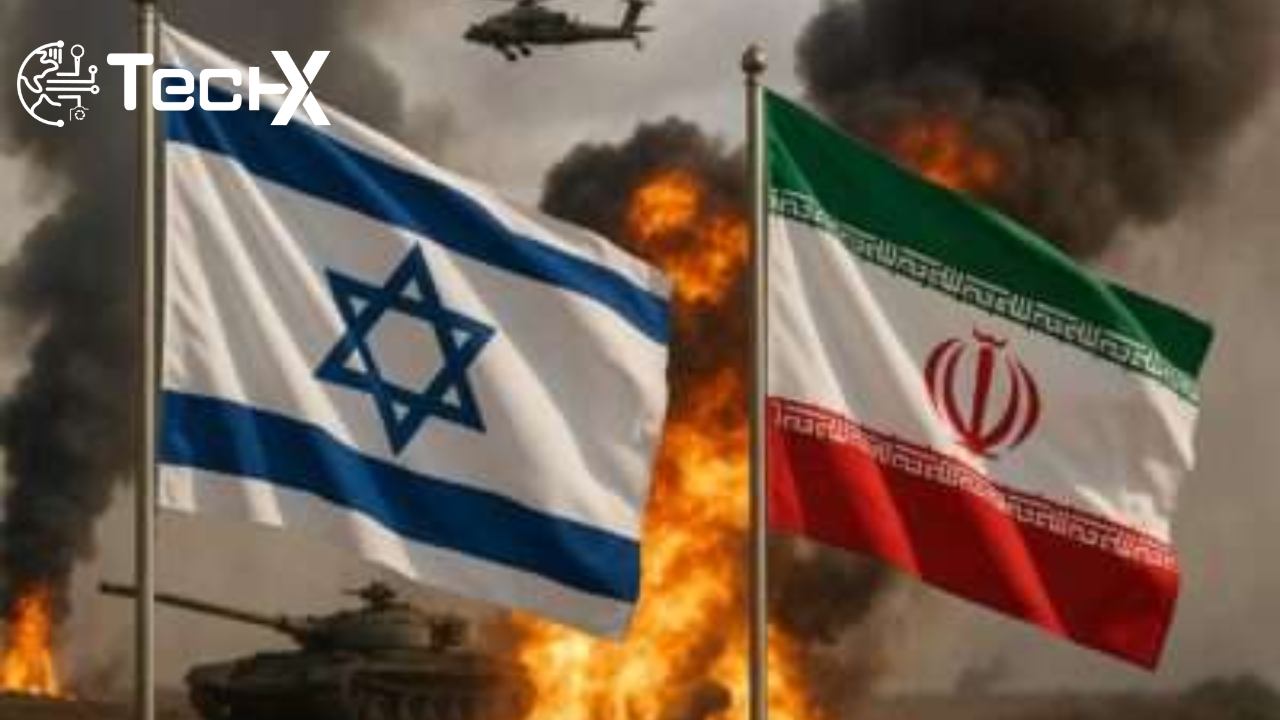
The geopolitical landscape across Pakistan, Iran, Israel, and Afghanistan is currently facing an unprecedented level of tension, pushing the entire region toward a critical tipping point. The direct military confrontations between Israel and Iran have shattered long-standing red lines, while Pakistan and Afghanistan grapple with volatile border disputes and shifting security dynamics that further complicate the regional power struggle. As these nations navigate a complex web of historic rivalries and modern-day warfare, the escalating conflict not only threatens local stability but also risks igniting a global crisis.
Current Situation in Pakistan
Pakistan is currently in open conflict with Afghanistan. Pakistan has carried out airstrikes and artillery attacks on Afghan cities like Kabul, Kandahar, and Paktia, targeting Taliban military posts and equipment. Afghanistan has responded with drone and air attacks on Pakistani border areas and some military sites. Both sides have reported casualties and damage. At the same time, Pakistan faces domestic militant attacks, such as the suicide bombing in Bajaur, which killed security personnel and a child. The fighting has caused displacement of civilians near the border and increased security tensions. Pakistan says these operations are aimed at militant hideouts responsible for attacks inside the country. International actors like Iran, Russia, and the UN have called for restraint and dialogue to stop further escalation.
Pakistan Military Operation Against Afghanistan
Pakistan has conducted a large-scale military operation against Afghanistan, targeting Taliban positions across the country. According to official Pakistani reports:
- 331 Taliban fighters were killed
- Over 500 were injured
- 104 Taliban check posts were destroyed
- 22 posts were captured
- 163 tanks and armed vehicles were destroyed
- 37 key locations across Afghanistan were targeted by air strikes
Current Situation in Afghanistan
Afghanistan is currently in serious conflict with Pakistan following Pakistani airstrikes on Afghan cities like Kabul, Kandahar, and Paktia. The Taliban led Afghan government has retaliated with drone and artillery strikes on Pakistani border posts and military positions. Both sides report casualties and destruction, and thousands of civilians near the border have been displaced due to the fighting. Afghanistan says it is defending its territory and targeting Pakistani attacks, while also expressing willingness for negotiations, although Pakistan insists that talks will only happen if militant attacks stop. The situation has increased insecurity and humanitarian concerns, with international actors like Iran, Russia, and the UN urging both countries to exercise restraint and engage in dialogue.
Afghanistan Military Operation Against Pakistan
- Afghan fighters attacked Pakistani military bases and outposts along the Durand Line border, though exact figures vary and are disputed by Pakistan.
- The Taliban claimed they managed to capture several Pakistani posts and positions and destroy military installations, but Pakistan strongly denied many of these claims.
- Afghanistan’s government officially said its operations killed Pakistani soldiers, capturing some personnel, though independent verification of exact numbers is not available. Pakistani officials and Afghan authorities have contradictory claims about casualties:
- Afghanistan’s Defence Ministry claimed that 55 Pakistani soldiers were killed in Afghan attacks and that it had taken control of several outposts.
- Pakistan rejected many of these claims and said its own troops repelled attacks with superiority.
Current Situation in Iran
On 28 February 2026, Israel launched a pre‑emptive military strike against Iran, coordinated with the United States, marking a serious escalation in tensions between the two countries. The Israeli defence minister confirmed the attack, saying it was aimed at neutralizing perceived security threats. Explosions were reported in Tehran, including in central areas, and plumes of smoke were seen rising over the city following the strikes. Iran’s airspace was closed and security forces were put on high alert. Iran has vowed a strong retaliatory response after the attack, with officials calling it a severe assault and promising “crushing” counter‑measures, though detailed casualty figures are still emerging and have not yet been independently confirmed. Iran’s capital experienced sirens and heightened security presence, and the situation has significantly raised fears of further military escalation in the Middle East.
Current Situation in Israel
- Pre‑emptive Strike on Iran: On 28 February 2026, Israel announced it launched a pre‑emptive military attack on Iran, coordinated with the United States, in what Israeli officials say was to “neutralize threats” to Israel’s security. Explosions were reported in Tehran and other Iranian cities early that day.
- State of Emergency in Israel: In response to the escalation, Israel declared a national state of emergency. Air raid sirens were activated, and authorities advised civilians to stay close to bomb shelters amid fears of Iranian missile or drone retaliation.
- Airspace and Civil Measures: Israel closed much of its civilian airspace and took security measures including shutting down non‑essential public services, closing schools and workplaces, and restricting large gatherings to prepare for potential further attacks.
- Security Alert & Public Warnings: Israeli Defense Forces (IDF) issued warnings and precautions for citizens to remain alert, with the Home Front Command urging people to stay near protective areas due to threats from potential Iranian retaliation.
- Regional Tension & International Concern: The military action has sharply increased tensions in the Middle East, pushing global diplomatic efforts into crisis mode and raising fears of broader conflict. Countries like India have issued travel advisories urging civilians in the region to be cautious.
Israel Military Operation Against Iran
- Joint Israeli‑US military operation struck multiple targets inside Iran on 28 February 2026 as part of a pre‑emptive attack.
- Explosions were reported in downtown Tehran, including near the offices of Supreme Leader Ayatollah Ali Khamenei and in central districts such as University Street and the Jomhouri area.
- Reports say missiles and strikes hit at least 30 targets across Iran, including major sites in Tehran and possibly key intelligence or leadership facilities.
- Some missiles reportedly struck Mehrabad Airport in Tehran and caused explosions affecting stock exchange and central city areas.
- Israel declared a state of emergency, closed its airspace, and activated civil defense alerts due to fears of Iranian retaliation