
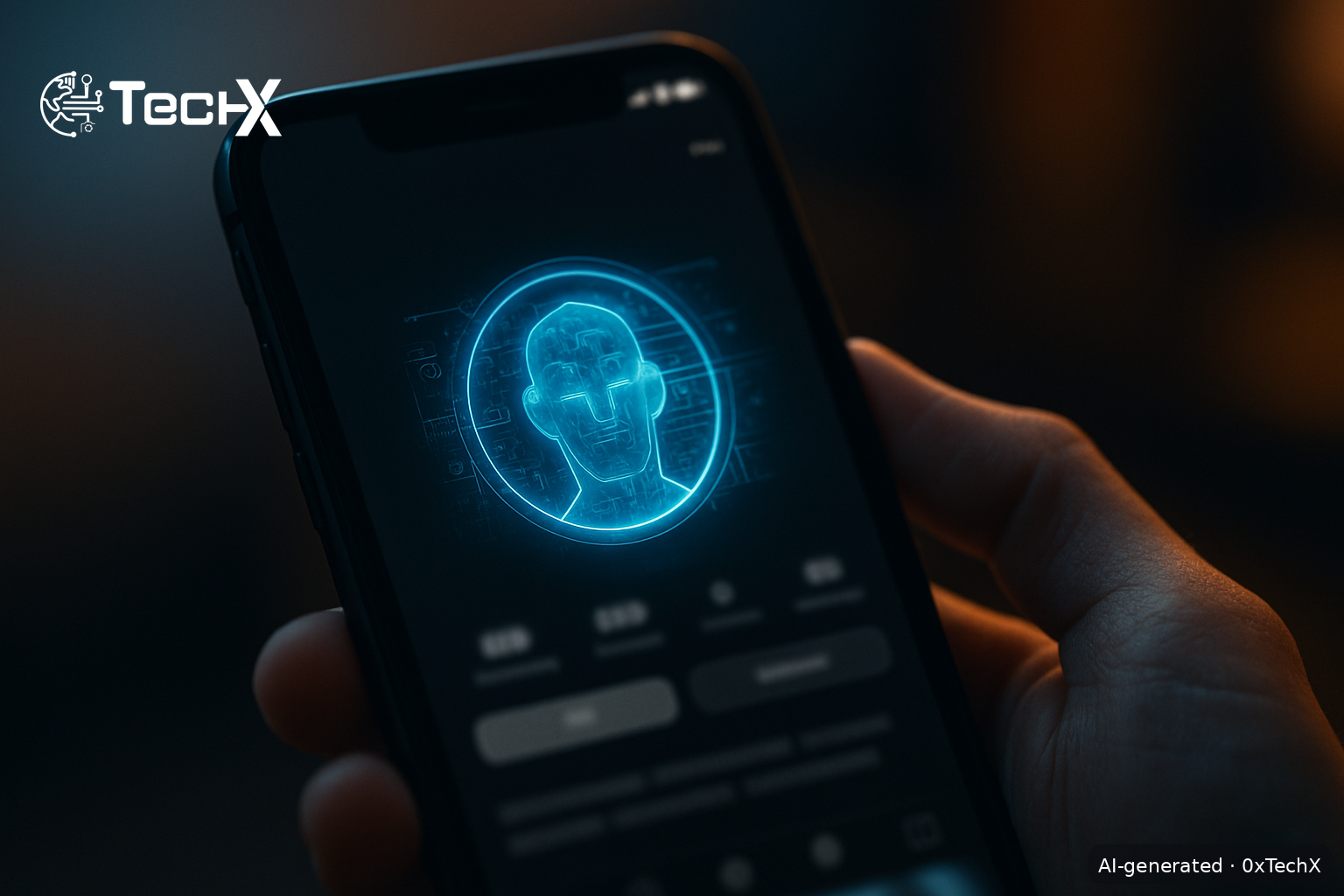
Meta Muse Image privacy is now a serious concern for hundreds of millions of Instagram users worldwide, including millions in Pakistan. On July 7, 2026, Meta launched Muse Image, its first in-house AI image model built by Meta Superintelligence Labs. The tool is creative and powerful, but buried inside the launch is a default setting that lets any stranger use your public Instagram photos to generate AI images of you, without your knowledge or permission.
What is Meta Muse Image and how does it work?
On July 7, 2026, Meta Superintelligence Labs launched Muse Image and Muse Video (in preview), its first in-house media generation models. Developed by Meta’s Superintelligence Labs, Muse now enhances image-generation features in the Meta AI app, Instagram, and WhatsApp. It will soon be available on Facebook and Messenger too.
Muse Image lets users @-mention any public Instagram account inside a prompt as a creative reference. From there, Meta AI pulls photos from that profile and uses them as visual references to generate new images that incorporate that person’s likeness, without asking for consent or sending a notification.
Think of it this way: someone types your Instagram username into a prompt, adds a description like “at a beach party” or “in a superhero costume,” and Muse Image builds a realistic AI photo of you in that scene, all without you ever knowing it happened.
Unlike tools like Midjourney or DALL-E, which require you to upload photos of a person to generate images, Muse skips that step. It pulls directly from linked social media accounts.
The big problem with Meta Muse Image privacy settings
The most alarming part of this launch is not the technology itself. It is the default. This feature is opt-out instead of opt-in. That means it is automatically active. You will need to take action if you want to prevent your likeness from being used for AI-generated images.
Meta’s own help page confirms it plainly. “You will not be notified about content created using AI features at Meta,” it reads. So someone could be generating AI images using your face right now, and you would have absolutely no way of knowing, unless they show up somewhere.
By including public accounts by default, Meta maximises the available image, video, and audio base. This exact pattern, the broad use of data unless one actively objects, is something users and privacy advocates have criticised Meta for in the past.
One reaction shared widely online put it bluntly: “Pulling real users into generated photos without explicit consent is a privacy landmine waiting to detonate.”
Why this matters for Pakistani Instagram users
Pakistan has tens of millions of active Instagram users. Many young Pakistanis, including students, content creators, and professionals, run public accounts to grow their following. Under the new Meta Muse Image privacy default, every one of those public accounts is now open for AI image generation by anyone in the world.
This raises particular concerns in Pakistan’s cultural context. Women who maintain public Instagram profiles for legitimate creative or professional reasons could find their faces used in AI-generated images they never agreed to. Parents who post publicly about their children face the same risk. Pakistani public figures, influencers, and entrepreneurs with large followings are especially exposed.
Meta’s decision to default users into this feature prioritises data collection over privacy. Ordinary users, not just celebrities, are most at risk, as their public photos can now be freely used as training material for AI image generation.
Instagram reaches approximately 3 billion users in 2026, meaning the scale of this default opt-in is genuinely global. Pakistani users currently have no local legal framework that specifically covers AI-generated likenesses, making them more vulnerable than users in the EU, where privacy experts are already looking at whether this feature complies with the General Data Protection Regulation (GDPR) or risks a biometric privacy breach.
How to opt out of Muse Image on Instagram
The good news is that you can turn this off. The bad news is that Meta has not made it easy to find, and privacy advocates argue this is a conscious choice to maximise the data pool for the model. Here are the steps to protect yourself right now:
- Open the Instagram app and go to your profile.
- Tap the three lines in the top-right corner and open “Settings and activity.”
- Go to Menu, then “Sharing and reuse,” and locate the section labelled “Allow people to use your content on Instagram and with AI features on Meta.” Turn off the Posts and Reels toggles separately.
- Some users have reported the option is missing. If you do not see it, try updating the Instagram app first.
There is one very important catch here. Opting out stops future AI generations using your content, but any images already created will not be deleted. In other words, if someone already used your photos before you turned this off, those AI images remain in existence. Switching your account to private is a stronger protective step going forward, but it does not undo what has already happened.
Meta says all images created with Muse Image carry an invisible watermark called “Content Seal” and that filters are in place against clearly harmful content, though critics note there is no public way to verify whether those filters are effective or enforced.
Meta’s history with privacy and what comes next
This is not the first time Meta has faced backlash over how it handles user data. In 2019, Meta paid a $5 billion fine to the Federal Trade Commission after regulators found that political consulting firm Cambridge Analytica had improperly harvested data from tens of millions of Facebook users without their knowledge. In 2021, Meta shut down Facebook’s facial-recognition system amid lawsuits and regulatory pressure over its collection of biometric data.
Meta’s most important advantage over competitors like OpenAI or Google is its own social graph: billions of public photos, videos, and the knowledge of who is who. This social anchoring is the point where OpenAI and Google cannot easily compete. Muse Image is essentially Meta turning that social graph into a commercial AI product, using your face as a feature.
The rollout to Facebook and Messenger will reach a larger and older user base that may be less aware of AI privacy settings. The EU’s AI Act and various US state privacy laws are increasingly scrutinising opt-out AI data practices, and enforcement actions or formal complaints could follow.
For Pakistani users, the practical advice is simple: go check your Instagram settings today, not tomorrow. Visit Meta’s Help Centre if you need more guidance on managing your AI content permissions across all Meta platforms.
Meta says use of the new AI model is free for “everyday creation,” though users will need a subscription plan once they exceed a certain limit. Whether the creative benefits outweigh the privacy costs is a question every user with a public Instagram account now has to answer for themselves.
Frequently Asked Questions
What is Meta Muse Image?
Muse Image is Meta’s first in-house AI image generation model, launched on July 7, 2026, by Meta Superintelligence Labs. It lets users create and edit AI images using text prompts and can use public Instagram photos as visual references when a username is tagged in the prompt.
Can someone use my Instagram photos without my permission?
Yes, if your Instagram account is public and you have not changed your settings. Public Instagram profiles are now automatically opted into being fodder for generative AI remixes. All someone has to do is tag your account’s profile in a prompt and they can use Meta AI to generate an image using your likeness.
How do I stop Meta from using my Instagram photos for AI?
Open Instagram, go to your profile, tap the three lines in the top-right corner, scroll to “Sharing and reuse,” and toggle off both Posts and Reels under the “Allow people to use your content on Instagram and with AI features on Meta” section. If the option is not visible yet, update your app and check again in a few days.
Will opting out delete AI images already made of me?
No. Turning off the setting only blocks future AI generations. Any AI images already created from your content will remain. Making your account private will offer stronger protection going forward, but past images cannot be recalled.