
The Lahore women-only Metro Bus conversation has returned with real force. In March 2025, Punjab Chief Minister Maryam Nawaz chaired a meeting in Lahore and approved a plan to launch dedicated bus services for women, starting with routes from every rural tehsil to the nearest district headquarters. The move signals that gender-inclusive transport has moved from a wish list to an active government priority in Pakistan’s largest province.
Lahore Women-Only Metro Bus: What the New Plan Covers
The Punjab government’s 2025 decision focuses first on rural women, connecting them to district towns by dedicated bus. The plan covers special bus service in every rural tehsil running to the relevant district headquarters, with Chief Minister Maryam Nawaz saying the service will boost the confidence of rural women and help female students and patients. Urban routes, including the Lahore Metro Bus corridor, are the natural next step in this push.
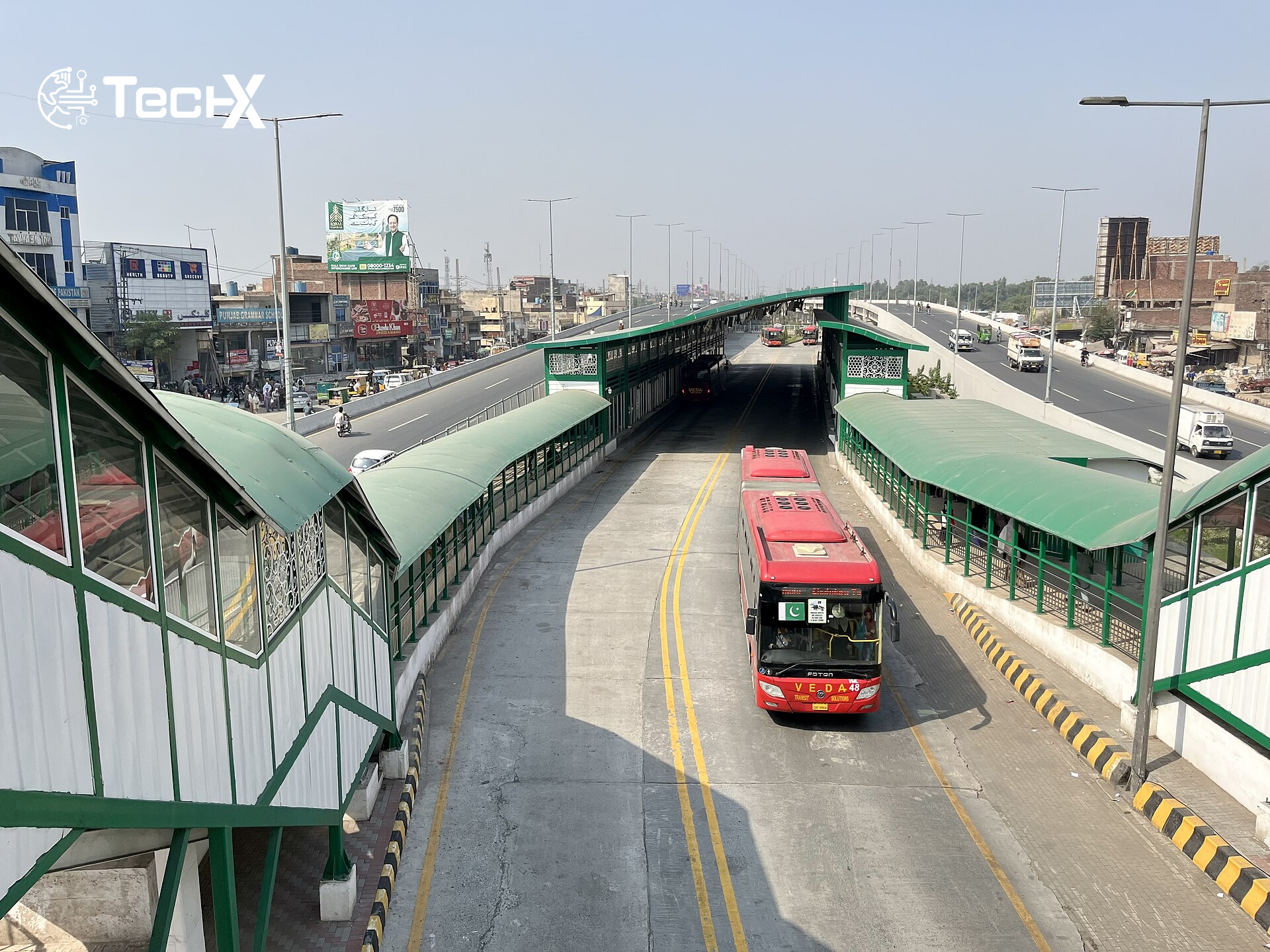
The existing Lahore Metrobus is a bus rapid transit (BRT) service operating in Lahore that is integrated with the Lahore Transport Company’s local bus service to operate as one urban transport system. At present, the system offers reserved seating for women but does not run a fully separate women-only coach or bus on the main corridor. The Lahore metro bus system runs 64 air-conditioned buses along a 27-kilometre route with 27 stations and includes designated seating and standing areas for women.
Why This Matters: The Data Behind the Gap
The case for stronger gender-inclusive transport in Lahore is backed by hard numbers. Women make up about 48% of Lahore’s total working-age population, but their workforce participation stands at only 13.5% compared to 64.6% for men, with women aged 15 to 64 saying that limited urban mobility directly affects their ability to participate in the job sector.
Access to reliable transport infrastructure plays a key role in determining one’s ability to engage in the labour market and pursue economic independence, and an analysis of Lahore’s metro and ride-hailing platforms shows that factors like accessibility, affordability, safety, and gender-sensitive planning shape challenges and opportunities for female workforce participation.
Yet interviews with the Punjab Mass Transit Authority and Punjab Transport Company revealed the absence of gender-specific planning, route information, and women’s safety parameters in buses, while bus stop analysis highlighted overcrowding, encroachment, inadequate lighting, and poor maintenance, all physical barriers that affect women’s mobility and widen Lahore’s gender transport gap.
A History of Trying and Stopping
This is not the first time Lahore has tried dedicated women’s transport. A women-only Pink Bus service launched in Lahore in 2012 but lasted only two years before the government pulled funding, with contract violations such as conductors letting men on board plaguing the project.
The government had initiated various initiatives such as dedicated spaces in buses, Pink Bus services, Pink Rickshaws, and E-Scotties to meet women-specific needs in public transport, but despite the efforts the problem persisted as these projects were discontinued after some time due to funding constraints, fewer passengers, and poor compliance.
This history is the most important thing the current plan must address. A dedicated route that is not funded long-term, not enforced, and not designed around where women actually need to go will repeat the same cycle. Karachi’s Pink Bus, launched more recently, faces similar questions about sustainability. Critics have voiced skepticism partly because they worry that, like Lahore’s earlier Pink Bus program, the project might not last long, and even proponents in Karachi do not believe a women-only bus is a long-term solution to harassment.
What Makes a Women-Only Bus Service Actually Work
Research points to several things that separate successful gender-inclusive transport from a publicity exercise.
- Routes that match real journeys: Women travel to schools, hospitals, and markets. Bus routes must connect those specific places, not just run along a main road.
- Safe stops: Ensuring the safety and security of female passengers can be achieved through increasing female personnel and gender-sensitive training, while involving women in transport decision-making can address their unique needs.
- Consistent funding: Short-term pilots funded by one-off budgets fail. The service needs a dedicated budget line that survives changes of government.
- Compliance enforcement: The 2012 Lahore Pink Bus collapsed partly because conductors let male passengers board. Operators must be held to the rules.
- Tech integration: The Lahore Metrobus already uses e-ticketing and an Intelligent Transportation System, which can be extended to real-time tracking and digital alerts for female passengers.
The Metro Bus System as a Platform for Change
According to the Lahore Transport Company, daily ridership on the Metrobus exceeds 180,000, with peak hourly ridership reaching 10,000 passengers per hour per direction. A women-only coach or dedicated peak-hour service added on top of this existing infrastructure would be far cheaper than building a new system from scratch. The stations already have escalators, CCTV cameras, and controlled-access gates, a solid base for a safer women’s service.
The Punjab Mass Transit Authority oversees the system and is best placed to roll out a women-only option. The authority already manages a connecting network of feeder bus routes that link to various Metrobus stations, with feeder buses that are air-conditioned and have around 10 seats reserved for women at the front. Extending that logic to a full women-only feeder run is a small operational step with a large social impact.
For context on how Pakistan is investing in cleaner, smarter urban transport more broadly, the government’s Rs 80,000 EV bike subsidy and local production drive shows that mobility reform is on the policy agenda beyond just buses.
What Happens Next
The 2025 Punjab government decision is a positive signal, but the real test is execution. Three things to watch: whether the rural tehsil-to-district routes actually launch on schedule; whether the plan is extended to the Lahore Metro Bus urban corridor; and whether a dedicated budget survives past the next election cycle. Pakistan has the infrastructure. What it needs now is the political will to maintain it.
Frequently Asked Questions
Does Lahore Metro Bus currently have a women-only service?
Not a fully separate women-only bus or coach. The existing Lahore Metrobus has designated seating and standing areas reserved for women within shared buses, but no dedicated women-only vehicle runs on the main BRT corridor as of mid-2025.
What did the Punjab government announce in 2025 for women’s transport?
In March 2025, Punjab Chief Minister Maryam Nawaz chaired a meeting in Lahore and decided to launch special bus service in every rural tehsil running to the relevant district headquarters as a dedicated women’s transport initiative.
Why did Lahore’s earlier Pink Bus service fail?
The women-only Pink Bus service that launched in Lahore in 2012 lasted only two years before the government pulled funding. Contract violations, including conductors allowing male passengers on board, were a key problem.
How does transport affect women’s workforce participation in Pakistan?
An analysis of Lahore’s metro and ride-hailing services shows that accessibility, affordability, safety, and gender-sensitive planning directly shape challenges and opportunities for promoting female workforce participation in urban Pakistan. With women’s labour force participation in Lahore at just 13.5%, improving transport is one of the most direct levers available to the government.