
KP tourism infrastructure is getting its biggest push in years, with the Khyber Pakhtunkhwa government combining road construction, digital tools, and better visitor services to turn the province into a serious travel destination. From a new online permit system for foreign tourists to World Bank-backed roads heading into the mountains, the changes are real and happening right now in 2026.
World Bank Road Review Puts KP Tourism Infrastructure on Fast Track
In early July 2026, the KP government and a World Bank delegation sat down to review road projects under the Khyber Pakhtunkhwa Integrated Tourism Development (KITE) project. The meeting was chaired by Malik Adil Iqbal, Special Assistant to the Chief Minister for Tourism, Culture, Archaeology and Museums.
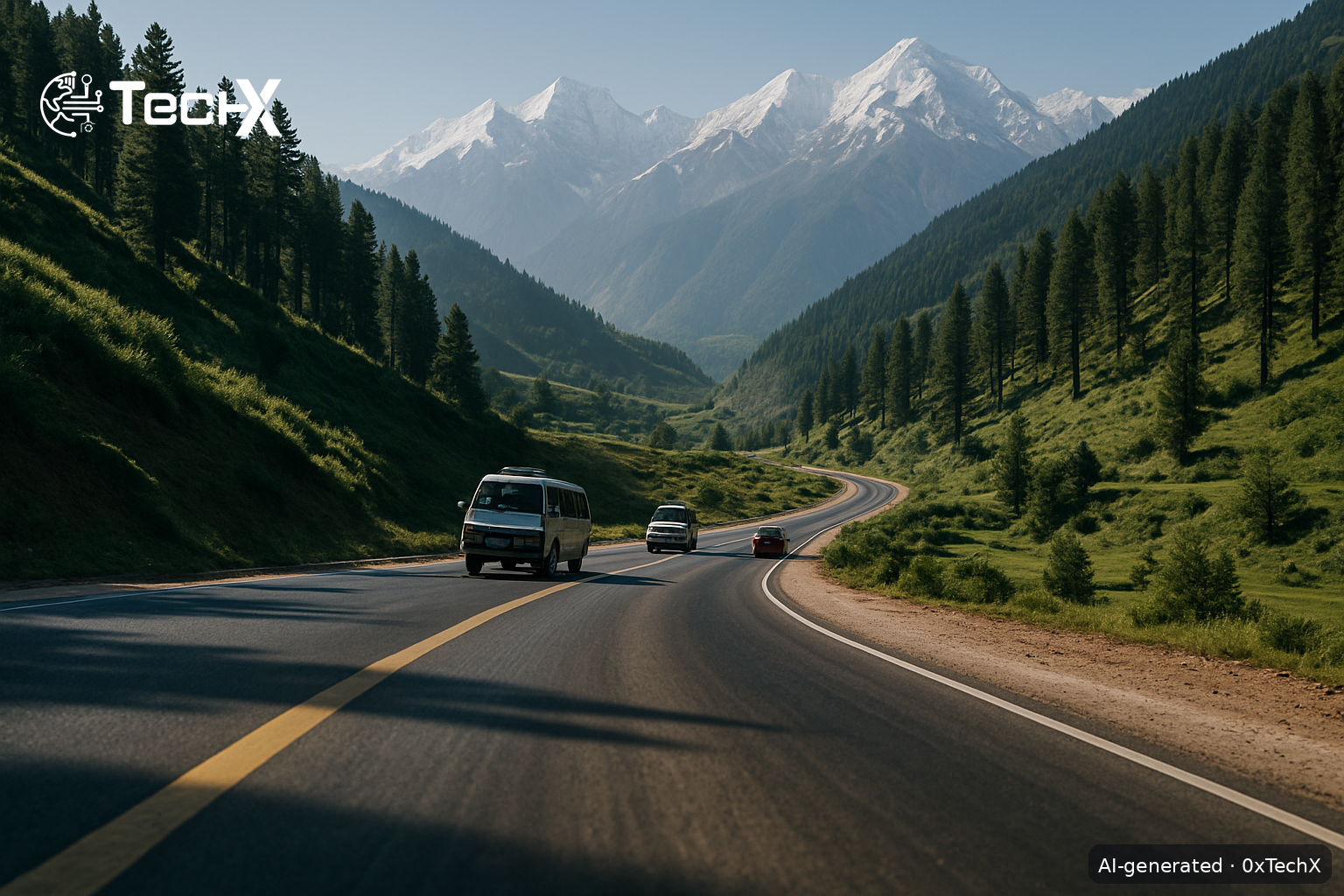
The roads being upgraded lead directly to two of KP’s most visited spots. The review focused on road construction and upgrading schemes in key tourist destinations, including Mankial in Swat and Thandiani in Abbottabad, aimed at improving access and supporting the province’s tourism sector.
Malik Adil Iqbal said improved road infrastructure was essential to providing safer and more reliable access to tourist destinations. He directed the departments concerned to expedite work without compromising quality.
This matters for ordinary Pakistani families. Many people who want to visit Swat or the Galiyat hills face long, bumpy drives on roads that were not built for peak-season traffic. Better roads mean shorter travel times, fewer vehicle breakdowns, and safer trips for everyone, including families with children.
A Digital NOC Portal for Foreign Visitors
One of the most practical improvements to KP tourism infrastructure this year is a new online system that lets foreign tourists apply for travel permission without visiting a government office. Previously, getting a No Objection Certificate (NOC) meant dealing with paperwork, long waits, and unclear steps.
The KP Tourism Department launched an easy-to-access online NOC portal that is exclusive to overseas tourists. Thanks to this portal, overseas tourists are able to apply online, track processing status in real-time, and obtain electronic travel permission. The project not only boosts efficiency but also reduces the bureaucratic burden on tourists and government officials alike.
The process starts when the foreign tourist visits the KP Tourism Department’s official website, where they need to provide travel details, a scanned copy of their visa, passport, and an itinerary of places they plan to visit.
For international travellers, this is a real change. The old manual process put many people off before they even booked a flight. A smooth online system sends a clear message: KP is open for business.
Camping Pods, Royalty Waivers and Integrated Tourism Zones
Beyond roads and digital permits, the KP government has rolled out several other steps to make the province more visitor-friendly in 2026.
- Affordable camping pods: Affordable camping pods, introduced to counter rising hotel costs in destinations like Naran and Kaghan, are already operational in several scenic locations, offering budget-friendly accommodation for domestic and international tourists.
- Royalty fee waiver for climbers: In a bid to further encourage international expeditions, the provincial government has announced a complete waiver of royalty fees for climbers in 2026.
- Integrated Tourism Zones: Integrated Tourism Zones in Mankiyal (Swat) and Ganol (Mansehra) are being developed with eco-friendly infrastructure across 90 acres.
- New adventure destinations: Beyond Tirichmir, other high peaks such as Falak Sar and Malika Parbat are also being promoted to establish Khyber Pakhtunkhwa as an emerging hotspot for adventure tourism.
The camping pods in particular fill a gap that most coverage ignores. Middle-income Pakistani families have been priced out of Naran and Kaghan hotels, especially in peak summer season. Budget pods give them a real option without leaving the province for cheaper hill stations in Punjab or AJK.
Tourist Complaint System Gets Serious Attention
KP tourism infrastructure is only useful if visitors feel safe and treated fairly. The KP Culture and Tourism Authority (KPCTA) has now set up a dedicated Tourist Services Wing to handle grievances.
Under the directions of Malik Adil Iqbal and Shahid Khan Mohmand, Director General of KPCTA, the Tourist Services Wing has intensified its efforts to address tourists’ concerns and improve service standards across the province.
According to the Tourism Services Wing, numerous complaints received over the past three months have been successfully resolved. These complaints were submitted by tourists, tour operators, travel agencies, hotels, restaurants, the Federal Investigation Agency (FIA), and members of the public.
Licensed tour companies, hotels, transport providers, and restaurants that follow established standards help create a professional tourism environment. By reducing the number of unregistered operators, authorities hope to improve service quality and enhance Pakistan’s image as an emerging international tourism destination.
What This Means for Pakistan’s Broader Tourism Goals
All of these moves connect to a larger plan. A clear goal has been established by provincial officials: to transform Khyber Pakhtunkhwa into a global hub for ecotourism and adventure sports. The restoration of ancient hiking tracks, the construction of modern highways, and the deployment of a specialised tourist police force are all components of a broader strategy.
At a time when rural areas in Khyber Pakhtunkhwa grapple with unemployment and poverty, mountain tourism presents a viable pathway to inclusive growth and job creation.
The KITE project official website tracks ongoing progress across all these initiatives. The KP Culture and Tourism Authority is the body overseeing tourism policy and visitor services in the province.
For Pakistani travellers planning a summer or autumn trip, the timing is good. Roads are being fixed, accommodation options are expanding, and the government is actually responding to complaints. KP tourism infrastructure still has a long way to go, but 2026 is shaping up as the year the gaps start to close.
Frequently Asked Questions
What is the KITE project in KP?
KITE stands for Khyber Pakhtunkhwa Integrated Tourism Development. It is a project backed by the World Bank that aims to improve roads, tourist facilities, training, and destination management across key areas of KP including Swat, Naran, Chitral, and Galiyat.
How can foreign tourists get a KP travel permit online?
Foreign tourists can visit the KP Tourism Department’s official website and apply for a No Objection Certificate (NOC) online. They need to submit their travel details, passport, visa copy, and a planned itinerary. They can then track the application status in real time and receive electronic travel permission.
Are there budget accommodation options in KP for 2026?
Yes. The KP government has set up affordable camping pods at several scenic locations to give budget travellers a low-cost option. These pods were introduced specifically because hotel prices in Naran and Kaghan had become too high for many families.
Which roads in KP are being upgraded for tourism?
Under the World Bank-backed KITE project, road construction and upgrading work is under way at Mankial in Swat and Thandiani in Abbottabad. These are two of KP’s most popular tourist areas and better roads will make them much easier to reach.