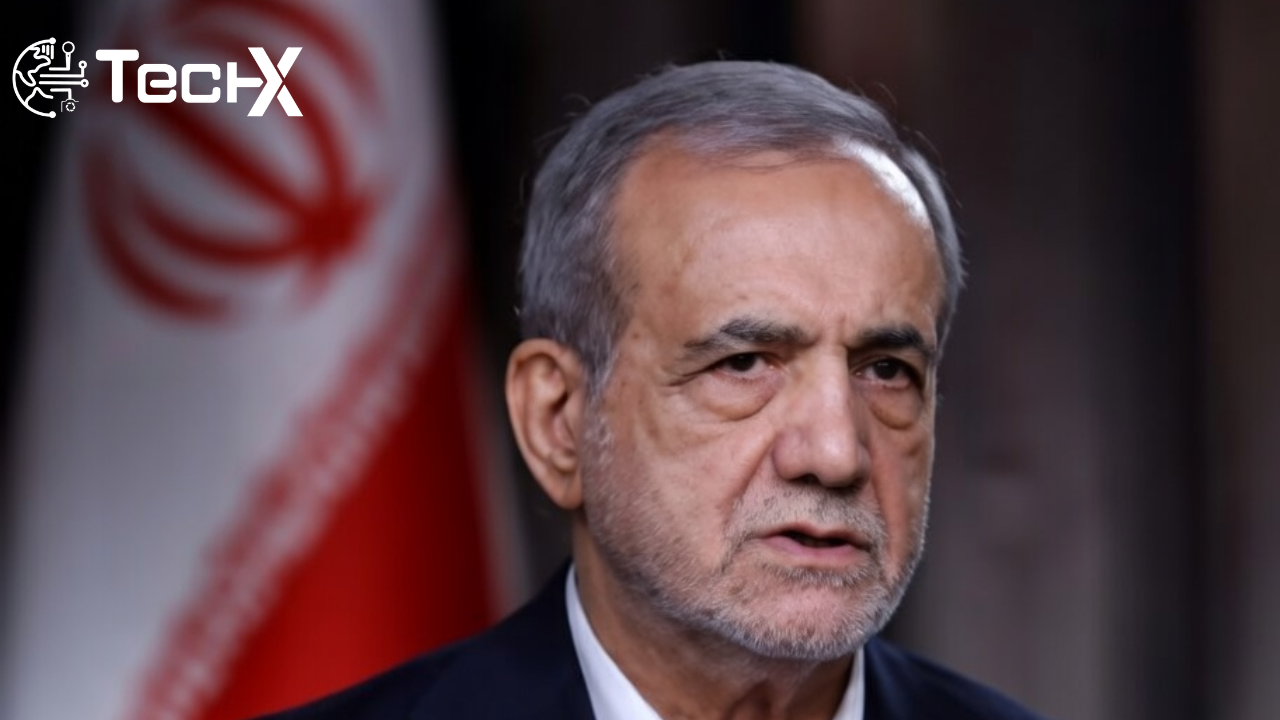
Iranian President Masoud Pezeshkian recently stated that his country possesses the “necessary will” to bring an end to the ongoing conflict involving Israel and the United States. This announcement signals Tehran’s readiness to consider peaceful resolutions, provided certain conditions are met to safeguard Iran’s national security and sovereignty.
Conditional Peace Offer
Pezeshkian emphasized that Iran is seeking guarantees to ensure that the conflict will not recur. While the country is open to ending hostilities, it is clear that Tehran wants binding assurances from the involved parties before committing to a formal ceasefire or peace agreement. This reflects Iran’s cautious approach toward negotiations in a highly volatile regional situation.
Engagement with European Leadership
The statement came during a phone conversation with the president of the European Council, highlighting Iran’s efforts to engage with international partners for mediation. By involving European leadership, Iran appears to be seeking neutral intermediaries to facilitate dialogue and provide credible guarantees that any agreement will be respected.
Response to Peace Initiatives
The announcement follows a series of peace initiatives, including a 15-point plan proposed by the United States. Iran responded with its own five-point counterproposal, which includes ending hostilities and ensuring that neither Israel nor the U.S. would return to aggressive actions in the future. This demonstrates Iran’s willingness to negotiate but on terms that protect its long-term security.
Focus on Security Guarantees
A key point in Pezeshkian’s statement is the emphasis on security guarantees. Iran is not merely seeking an end to fighting it wants mechanisms that prevent future attacks or escalations. This reflects the deep mistrust between Tehran, Washington, and Tel Aviv, and highlights why any peace agreement would need international oversight and enforcement mechanisms.
Implications for Regional Stability
If these conditions are met, a cessation of hostilities could stabilize the region and reduce the risk of further escalation. Iran’s public willingness to negotiate sends a strong message that diplomacy is still a viable path, even amid intense conflict, and that structured guarantees are central to sustainable peace.
Conclusion
In summary, Iran under Pezeshkian is signaling openness to end the war with Israel and the United States, but only under clear and enforceable guarantees. The country is engaging international partners and proposing structured measures to ensure long-term peace, demonstrating a strategic, measured approach to conflict resolution.