
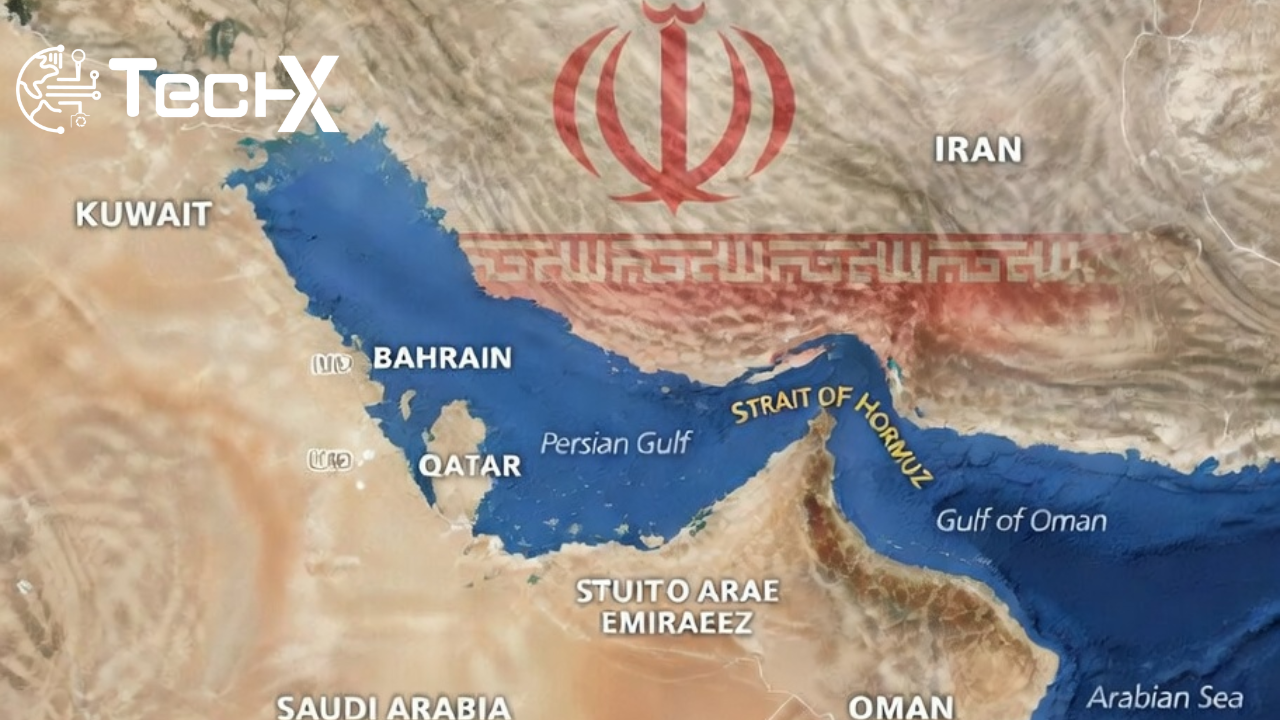
Iran has responded to discussions about a possible blockade of the Strait of Hormuz, claiming that such a move would not severely impact the country. Iranian officials argue that Iran’s geographic position and access to multiple land borders provide alternative trade routes beyond maritime channels.
Importance of the Strait of Hormuz
The Strait of Hormuz is one of the most critical maritime chokepoints in the world, through which a significant portion of global oil shipments pass. Any disruption in this route is widely considered to have immediate effects on global energy supply and international markets.
Iran Argument on Alternative Routes
Iran maintains that it is not fully dependent on the Strait of Hormuz, pointing to its land borders with several neighboring countries such as Iraq, Turkey, and Pakistan. According to this view, Iran could continue trade through overland routes and regional partnerships if maritime access is restricted.
Economic Reality and Expert View
However, international analysts note that Iran’s economy still relies heavily on sea-based trade, especially for oil exports. While alternative land routes exist, they cannot fully replace the capacity, speed, and scale of maritime shipping. Because of this, experts believe a blockade would still have a significant economic impact on Iran.
Global Impact of Any Disruption
Beyond Iran, any instability in the Strait of Hormuz would likely affect global oil prices and energy security. The region is considered strategically sensitive, and even minor tensions often lead to market fluctuations and international concern.
Ongoing Debate and Strategic Uncertainty
At present, the situation remains a mix of political statements and strategic analysis. While Iran emphasizes resilience and alternatives, most global assessments suggest that the Strait of Hormuz remains vital for both regional and international trade stability.