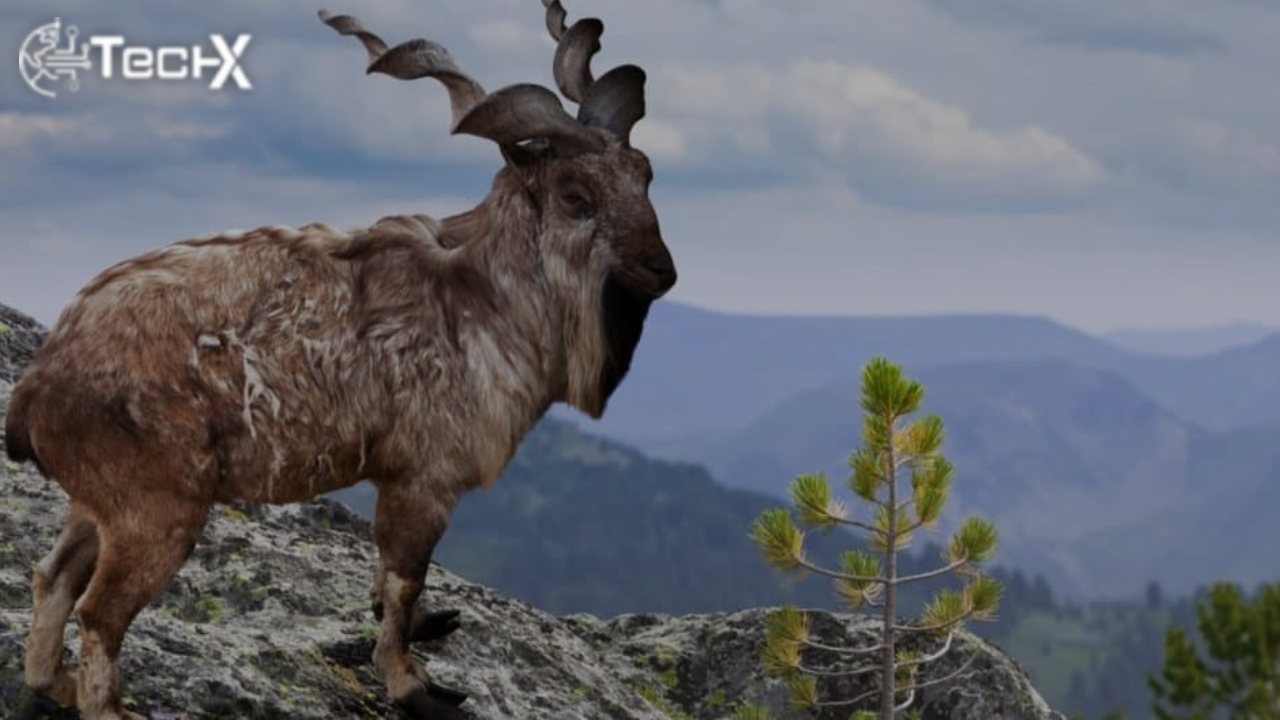
The International Day of the Markhor is observed globally on May 24, raising awareness about conserving this majestic species. The markhor, Pakistan’s national animal, symbolizes resilience and ecological importance. Found in Central and South Asia, it is critical for biodiversity. The United Nations established this day in 2024 to promote conservation efforts and regional cooperation.
The Majestic Markhor
The markhor (Capra falconeri) is renowned for its striking corkscrew horns, which can grow up to 160 cm. It thrives in mountainous terrains across Afghanistan, India, Pakistan, and Central Asia. Adapted to elevations between 600 and 3,600 meters, it navigates rugged, lightly forested slopes with ease. Its presence indicates a healthy ecosystem, making its conservation vital for environmental balance.
UN Recognition and Conservation Goals
The United Nations General Assembly designated May 24 as the International Day of the Markhor to highlight its plight. The day urges member states, NGOs, and communities to collaborate on preservation strategies. By fostering international cooperation, the UN aims to combat threats like poaching and habitat destruction. This initiative underscores the markhor’s role in maintaining ecological and economic stability in its native regions.
Also Read: Top Universities in Pakistan Providing World-Class Education
Threats to Survival
Despite conservation efforts, the markhor remains endangered due to habitat loss, illegal hunting, and climate change. Poaching for its horns and meat further diminishes its population. Recognized subspecies, including the flare-horned and Bukharan markhor, face critical endangerment. Without immediate action, this iconic species risks extinction, disrupting ecosystems and local livelihoods dependent on ecotourism.
Conservation Status
The International Union for Conservation of Nature (IUCN) listed the markhor as “near threatened” in 2014. It has been on CITES Appendix I since 1992, banning international trade. With only 5,700 mature individuals left, conservationists stress urgent measures. Protecting the markhor ensures biodiversity preservation and supports sustainable tourism, benefiting communities in its habitat regions.
Ecological and Economic Importance
The markhor plays a key role in maintaining mountain ecosystems by controlling vegetation growth. Its conservation promotes eco-tourism, generating revenue for local economies. Hunting licenses, regulated by governments, fund community projects. Sustainable practices ensure long-term benefits, balancing ecological health and economic growth. Protecting the markhor is not just about saving a species—it’s about preserving a way of life.
Call to Action
On this International Day of the Markhor, stakeholders must intensify conservation efforts. Strengthening anti-poaching laws, restoring habitats, and raising awareness are crucial steps. Public participation and international collaboration can secure the markhor’s future. By acting now, we safeguard a species integral to our planet’s biodiversity and cultural heritage. Let’s unite to protect this majestic animal for generations to come.