Pakistan’s govt has devised a comprehensive plan to minimise carbon footprints, conserve the environment, and reduce oil costs.
Govt’s comprehensive plan
The country’s auto and transportation sectors are the primary target of energy-saving measures. The Ministry of Energy, according to our sources, has issued a step-by-step Transport Energy Saving Plan (TESP).
The strategy states that the first priority will be setting the retirement age of cars and strengthening national fuel economy requirements. The toll fee will be implemented based on the engine size of the vehicles.
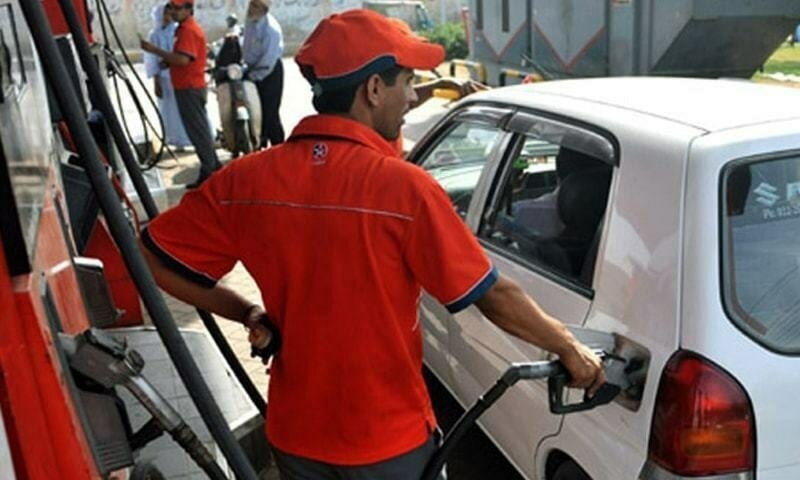
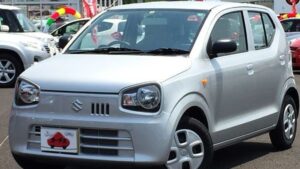
Toll tax slabs will be separated for vehicles with displacements greater than 800cc. Similarly, fuel rates will be established based on the engine size of the vehicles. There will be fuel pricing slabs for cars with 800cc, 1600cc, and bigger engines.
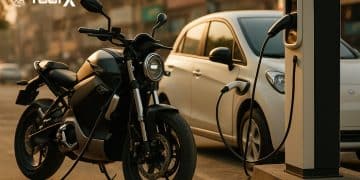
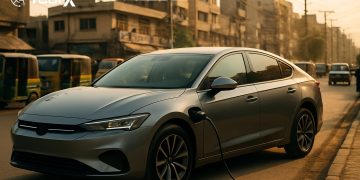
Code and standard implementation for electric vehicle (EV) supply equipment is also a priority. EV charging infrastructure code standards will be applied. A mass transit transportation system for large cities will also be constructed.
According to govt, this scheme will save 2.4 billion litres of oil every year. The energy-saving transit scheme will remove 7.7 million tonnes of carbon from the atmosphere. The Transport Energy Saving Plan (TESP) will be phased in beginning this year.
Pakistan’s govt has devised a comprehensive plan to minimise carbon footprints, conserve the environment, and reduce oil costs. The country’s auto and transportation sectors are the primary target of energy-saving measures.
The Ministry of Energy, according to our sources, has issued a step-by-step Transport Energy Saving Plan (TESP).
The strategy states that the first priority will be setting the retirement age of cars and strengthening national fuel economy requirements.
The toll fee will be implemented based on the engine size of the vehicles. Toll tax slabs will be separated for vehicles with displacements greater than 800cc.
Similarly, fuel rates will be established based on the engine size of the vehicles. There will be fuel pricing slabs for cars with 800cc, 1600cc, and bigger engines. Code and standard implementation for electric vehicle (EV) supply equipment is also a priority.
EV charging infrastructure code standards will be applied. A mass transit transportation system for large cities will also be constructed.
According to sources, this scheme will save 2.4 billion litres of oil every year. The energy-saving transit scheme will remove 7.7 million tonnes of carbon from the atmosphere. The Transport Energy Saving Plan (TESP) will be phased in beginning this year.
To read our blog on “Govt. cuts Rs. 5 on diesel, keeping petrol prices unchanged,” click here