
In a recent image that has emerged from the Epstein files that have only recently been unsealed, a contentious image is seen where Epstein and Emirati billionaire Sultan Ahmed bin Sulayem are seen standing near a cloth. The cloth looks similar to the Kiswah that is said to cover the Kabah. In the image, the cloth is seen to be on the floor. The image has caused outrage around the globe, especially among the Muslim community.
Religious Significance of the Kiswah
The Kiswah is a black cloth embroidered with the Quran holy verses and is used to cover the Kaaba during the Hajj season. It is a very sacred item for Muslims across the globe. Touching or keeping the Kiswah away from the religious context, especially on the floor, is very disrespectful according to Islam.
Origins of the Cloth in Epstein Possession
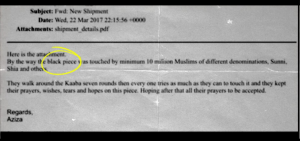
According to the files, small pieces of the Kiswah were sent to Epstein in 2017 through UAE linked contacts. These pieces may have come from either the inner or outer coverings of the Kabah. The documents reveal that the shipments were declared as artwork, but offer little clarity on why they had been sent or how they ended up in Epstein private property.
Public Reaction and Backlash
This is an image that has thrown up a storm of controversy online and on social media forums. Scores of Muslims have expressed their outrage and shock describing it as an act of disrespect to one of the most sacrosanct symbols of Islam. The debate underlines the sensitivity that religious artifacts raise and the desirability of proper custodianship.
Authenticity and Unanswered Questions
The cloth depicted in the picture looks like Kiswah however, there is no official statement confirming whether this is actually a piece of cloth that came from Kabah. There are analysts who comment that they found discrepancies in both sizes and designs however, there is no statement emanating from Saudi Arabia or the UAE on this particular incident.
Broader Implications
This discovery raises questions regarding the care of sacred religious items and the moral obligations of collectors or individuals owning or possessing cultural items. It also draws attention to the continued scrutiny of Jeffrey Epstein network and the power of wealthy people in procuring rare pieces of art.
Source: Epstein Files