
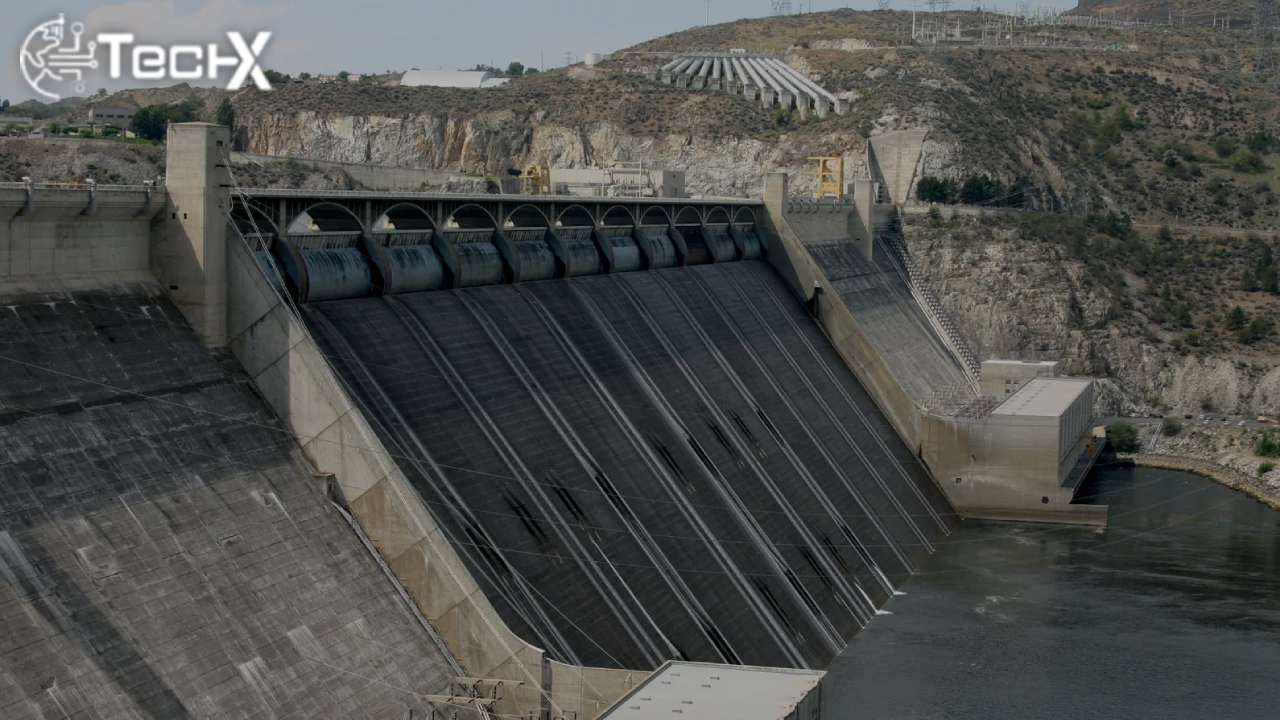
A significant hydropower shortfall is looming over Pakistan this summer due to critically low water levels in key reservoirs. Insufficient rainfall and declining water storage have exacerbated the situation. Major reservoirs like Tarbela, Mangla, and Chashma are operating far below their optimal levels, raising concerns about the country’s ability to meet its electricity demands during peak summer months.
Alarming Water Levels in Key Reservoirs
Recent data from WAPDA highlights the severity of the water crisis. Tarbela Dam’s water level has dropped to 1,431.56 feet, while Mangla Dam stands at 1,106 feet. Chashma Barrage is at a precarious 639.1 feet. These levels are significantly lower than usual, threatening hydropower generation, which accounts for a substantial portion of Pakistan’s electricity production.
Shift to Costly LNG Imports Likely
With hydropower generation expected to decline, the government may rely heavily on imported Liquefied Natural Gas (LNG) to bridge the energy gap. LNG is significantly more expensive than hydropower, and this shift could lead to higher electricity production costs. These increased costs are likely to be passed on to consumers, resulting in higher electricity bills.
Decline in Electricity Generation
Recent data shows a 4.4 percent decline in electricity generation for January 2025 compared to earlier projections. This shortfall underscores the growing energy crisis and highlights the urgent need for alternative solutions. The situation is particularly concerning as summer approaches, a period when electricity demand typically surges due to increased use of cooling appliances.
Also Read: Government Plans to Increase Petrol Prices Before Ramadan
CPPA Proposes Relief for Consumers
In a contrasting move, the Central Power Purchasing Agency (CPPA) has proposed a Rs. 2.0 per unit reduction in electricity bills for January, citing lower fuel costs. If approved, this reduction could provide collective relief of Rs. 15.65 billion to consumers. However, this temporary measure may not offset the long-term impact of rising electricity prices due to the hydropower crisis.
Power Division Seeks Broader Relief
The Power Division has urged the National Electric Power Regulatory Authority (Nepra) to extend the Fuel Cost Adjustment (FCA) reduction to domestic consumers using up to 300 units and the agricultural sector. This move aims to alleviate the financial burden on low-income households and farmers, who are already struggling with rising costs.
Nepra Reserves Decision on FCA Reduction
Nepra has reserved its decision on the proposed FCA reduction pending further review. The regulator’s final verdict will determine whether consumers receive immediate relief or face continued financial strain. Meanwhile, the hydropower crisis remains unresolved, casting a shadow over the country’s energy outlook.
Long-Term Solutions Needed
The current situation underscores the need for long-term solutions to Pakistan’s energy challenges. Diversifying energy sources, investing in renewable energy, and improving water management practices are critical steps to ensure energy security. Without such measures, the country risks recurring energy crises and economic instability.
Impact on Consumers and Economy
Rising electricity prices could have far-reaching consequences for consumers and the economy. Higher energy costs may lead to increased production expenses for businesses, potentially driving inflation. Households, particularly low-income families, may struggle to afford basic utilities, exacerbating poverty and inequality.
Conclusion
Pakistan’s energy sector is at a critical juncture, with declining hydropower production and rising costs threatening to destabilize the economy. While short-term relief measures like the proposed FCA reduction offer some hope, long-term strategies are essential to address the root causes of the crisis. Policymakers must act swiftly to secure the country’s energy future and protect consumers from escalating costs.