
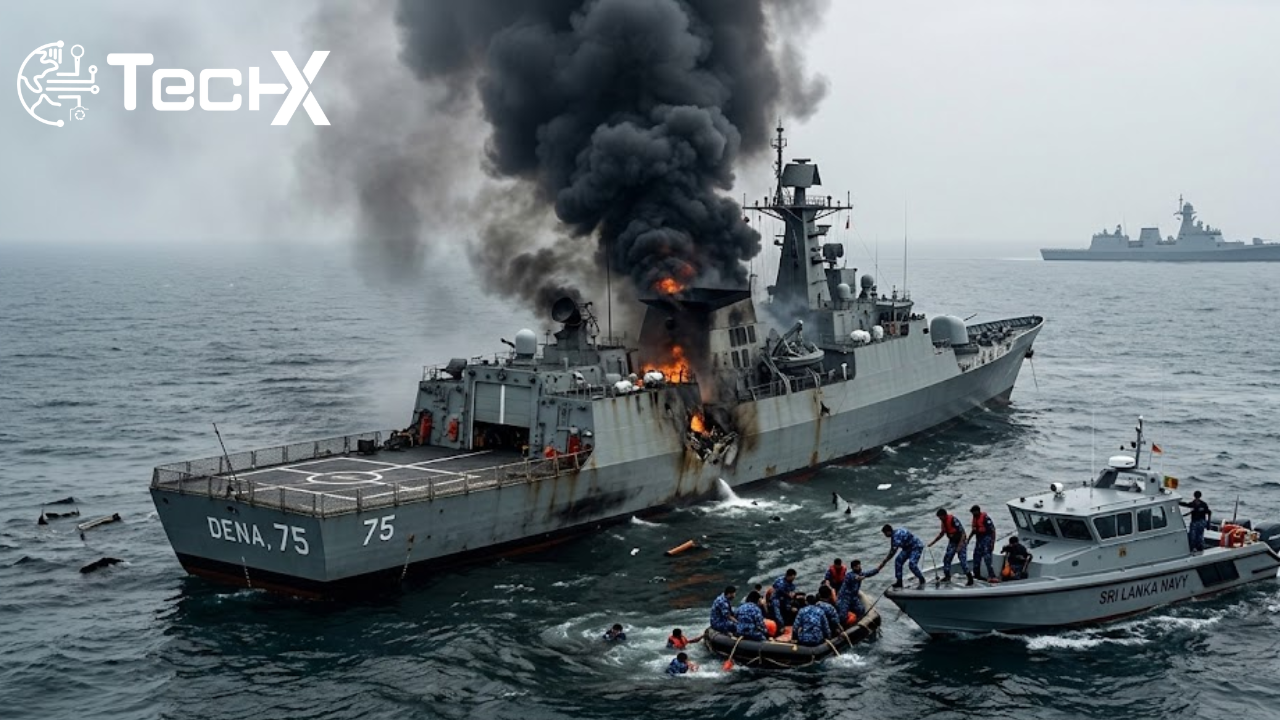
Recently, a sensational news story has been circulating on social media regarding relations between India and Iran. The report presents serious allegations and uses emotionally charged language to create concern among readers. Its tone appears dramatic, which makes it important to examine the claims carefully before accepting them as facts.
Allegations Against Narendra Modi
The report specifically targets Narendra Modi, accusing him of betraying Iran due to his close relationship with Israel. Words such as “betrayal” and “suspicious role” are used to suggest that India’s foreign policy decisions were influenced by hidden motives. Such accusations are serious and require strong, verified evidence.
The Alleged Indian Ocean Incident
According to the report, an Iranian naval ship that had visited India for naval exercises was attacked in the Indian Ocean while returning home. It claims that the ship was destroyed in the attack. If such a major military incident had truly occurred, it would likely have received widespread international media coverage.
Reported Casualties and Claims
The story further alleges that more than 100 people lost their lives in the attack and that India failed to provide assistance despite being aware of the situation. These are grave accusations with significant humanitarian and political implications. Claims of this magnitude typically require official confirmation and independent verification.
Sri Lanka’s Alleged Rescue Operation
The report also states that the Sri Lankan Navy conducted a rescue operation and transported 30 injured individuals to hospitals. Rescue missions at sea are usually documented and reported by multiple credible sources. If such an operation took place, official statements and international coverage would normally support it.
India’s Diplomatic Balancing Strategy
India maintains diplomatic and strategic relations with multiple countries, including Iran and Israel. It is common for nations to pursue balanced foreign policies that serve their national interests. Close ties with one country do not automatically imply hostility or betrayal toward another.
Media Narratives and Propaganda Risks
The use of emotionally charged language such as “betrayal” and “spying” suggests that the report may be attempting to shape public opinion. In the digital age, misinformation and propaganda can spread rapidly, especially through social media platforms. This makes media literacy and critical thinking essential.
Conclusion: The Need for Verification
In conclusion, sensational claims should always be approached with caution. Major international incidents typically generate widespread reporting, official investigations, and diplomatic responses. Until credible evidence and reliable sources confirm such claims, it is wise to treat them as unverified allegations rather than established facts.