
Pakistan Single Window ValidAP integration is now live, and it puts Pakistan in the history books as the first country in the world to plug into Hong Kong’s blockchain-powered trade verification system. Pakistan has taken a major step towards trusted digital trade with the operationalisation of Pakistan Single Window’s (PSW) integration with ValidAP, a blockchain-based digital document verification platform developed and hosted by the Customs and Excise Department of Hong Kong. For Pakistani exporters, importers, and customs brokers, this is not just a technical upgrade, it is a signal that the country’s trade infrastructure is being taken seriously on the world stage.
What Is ValidAP and How Does It Work?
ValidAP is a platform built by Hong Kong Customs to solve a very old problem: how do you trust a trade document sent from another country? Traditionally, a customs officer in Hong Kong would have to call or email the issuing agency in Pakistan to check whether a certificate of origin or an import licence is genuine. That takes time and is easy to fake.
ValidAP supports digital documents of any file type, including .pdf, .docx and even .jpg, and is applicable to all forms of documentary proof such as licences, permits, certificates of origin, laboratory reports, work reports, health certificates, and qualification certificates.
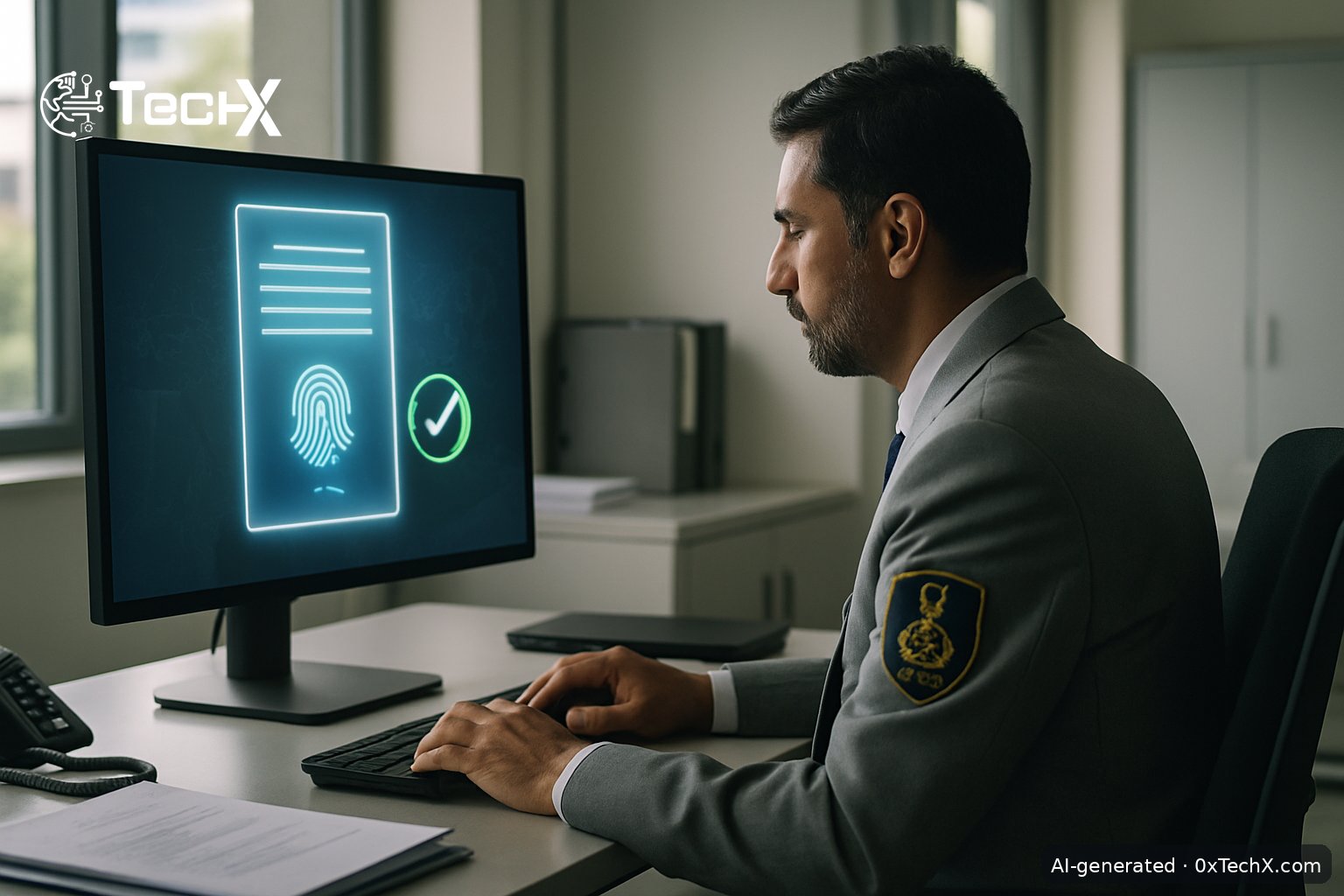
The clever part is how it handles privacy. ValidAP uses cryptographic technology to create a unique digital fingerprint, or “hash”, of an electronic trade document. This enables authorities to verify that a document is genuine and has not been altered, without the document itself or its sensitive information being transmitted or stored on the verification platform.
Think of it like a seal on an envelope. The seal tells you no one opened the letter, but no one sees the contents to check the seal. That is exactly what the hash does for a trade document.
Validation results are obtained through a simple drag and drop at the ValidAP public portal. Any importer, broker, bank, or customs officer anywhere in the world can check whether a PSW-issued document is real in seconds.
Pakistan Single Window ValidAP Go-Live Date and MoU Timeline
This did not happen overnight. The initiative follows a Memorandum of Understanding signed between Pakistan Customs and the Customs and Excise Department of Hong Kong on 18 May 2026, formalising Pakistan Customs’ participation in ValidAP. The MoU was signed on the sidelines of the World Customs Organization (WCO) Asia/Pacific Regional Heads of Customs Administrations conference in Hong Kong, the same event where Pakistan Customs secured its first-ever representation on the WCO Policy Commission in nearly 70 years of WCO membership since 1955.
From MoU to live system took just over four months. The integration became operational on 25 September 2026. Pakistan is the first country to join the platform, and the integration marks Pakistan’s first implementation of ValidAP-based digital document verification.
That “first country” status matters. ValidAP is designed to grow across the Asia-Pacific region, and signing up is free for authorities situated in the WCO Asia/Pacific region. Being first means Pakistan helped define how the platform works in a real-world setting. Other countries that join next will follow a path Pakistan already walked.
Why This Matters for Pakistani Exporters
Coverage of this story focuses mainly on the technical side. What most reports miss is the direct business impact for the Pakistani trader sitting in Karachi, Lahore, or Faisalabad.
Right now, a Pakistani exporter sending goods to Hong Kong or any other ValidAP-connected destination may face delays when the buyer’s customs team needs to verify documents. Those delays cost money in storage fees, demurrage charges, and lost contracts. For Pakistan, the integration represents a further step towards a digital trade environment in which documents can be issued electronically, verified digitally, and trusted across borders. It can help reduce reliance on paper-based verification and support faster and more secure processing of international trade documentation.
Reduced paperwork also means less room for document fraud, a real problem in cross-border trade that inflates costs for honest businesses. Pakistan’s participation in ValidAP connects its digital trade infrastructure with an emerging regional approach to trusted electronic document verification.
The Pakistan Single Window is the national digital portal through which trade documents are issued. Connecting it to ValidAP means every document that comes out of PSW can now carry a verifiable blockchain fingerprint that any trading partner anywhere in the world can check. That is a meaningful upgrade to Pakistan’s export credibility.
Hong Kong Customs also assists participants in establishing a direct system-to-system Application Programming Interface (API) connection, allowing their internal systems such as a national trade Single Window to submit hashes automatically, eliminating human interference and error. This API-level integration is what makes the whole thing scalable rather than just a one-off pilot.
The Bigger Picture for Pakistan’s Digital Trade Strategy
Pakistan has been building its digital trade stack piece by piece. The Sky 47 Tier 3 data centre and similar infrastructure investments show the country is serious about digital backbone projects. The ValidAP move fits the same direction: building the trust layer that makes digital commerce work across borders.
The World Customs Organization has been pushing member states to adopt digital verification tools, and ValidAP is one of the more practical implementations to emerge from that effort. Hong Kong Customs developed the blockchain-based digital platform to facilitate real-time, simple and reliable cross-border validation of digital trade documents specifically because older methods were too slow and too expensive to scale.
Pakistan’s early adoption also has a soft-power dimension. Being first signals to trading partners in Asia and beyond that Pakistani customs and trade bodies can operate at the same technical level as advanced economies. That reputation matters when competing for export contracts against countries with more established trade reputations.
Frequently Asked Questions
What is ValidAP in simple terms?
ValidAP is a blockchain platform built by Hong Kong Customs. It creates a digital fingerprint (hash) for each trade document. Anyone can check that fingerprint on the ValidAP website to confirm the document is real and unchanged, without seeing the private contents of the document.
When did Pakistan’s ValidAP integration go live?
The integration became operational on 25 September 2026, according to an official statement. The groundwork was laid when Pakistan and Hong Kong signed an MoU on 18 May 2026.
Which documents can be verified through ValidAP?
Any electronic trade document issued through Pakistan Single Window can now be verified. This includes certificates of origin, import/export licences, laboratory test reports, health certificates, and other standard trade documents. The platform allows customs authorities to verify electronic documents such as certificates of origin and import/export licences without exchanging sensitive data directly.
Does this affect ordinary Pakistani businesses?
Yes, especially exporters and importers. Faster, tamper-proof document verification means fewer delays at foreign ports, lower risk of document fraud, and a stronger reputation for Pakistani trade documents among international buyers and customs authorities. The benefits are most visible in trade with Hong Kong and any future ValidAP-connected countries in the Asia-Pacific region.