
Pakistan is considering a major shift in its automotive sector by introducing a policy that would allow the export of refurbished used cars. This initiative is part of the proposed Auto Policy 2026–31, which aims to boost exports, attract investment, and modernize the country’s automobile industry. However, the policy is still in the draft stage and has not yet been officially implemented.
Import–Refurbishment–Export Model
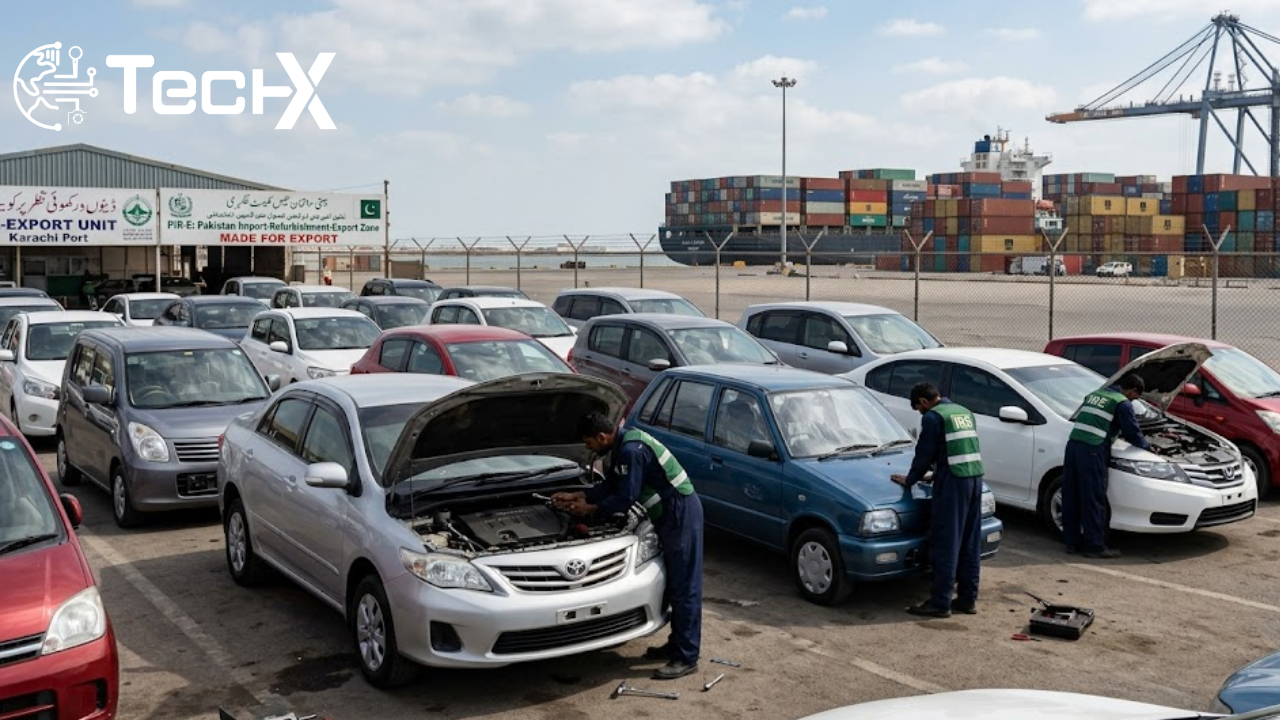
Under the proposed framework, an Import–Refurbishment–Export (IRE) system would be introduced. This means companies would be allowed to import used vehicles, refurbish or repair them locally, and then export them to international markets. The key condition of this model is that these vehicles will not be sold in Pakistan’s domestic market.
Time Limit and Regulations
According to early reports, vehicles brought under this scheme would be required to be exported within a specific time period, likely around nine months. This restriction is designed to ensure that the system is used strictly for export-oriented activity and does not turn into long-term vehicle storage or local sales.
Economic Objectives
The main purpose of this policy is to increase Pakistan’s export revenue and strengthen its automotive industry. By developing refurbishment facilities, the country aims to create new job opportunities and attract foreign investment. The concept is inspired by successful international hubs such as free zones in the Middle East, where vehicles are processed for re-export.
Government Review and Approval Status
At present, the proposal is still under review and discussions are ongoing with international financial institutions, including the IMF. The policy has not yet been finalized or approved by the federal cabinet. Once all consultations are completed, it will be presented for final approval and possible implementation.
Conclusion
In conclusion, Pakistan’s plan to allow the export of refurbished used cars represents a significant potential shift in its automotive strategy. While still in the planning stage, the policy could open new economic opportunities if properly implemented and regulated in the future.