

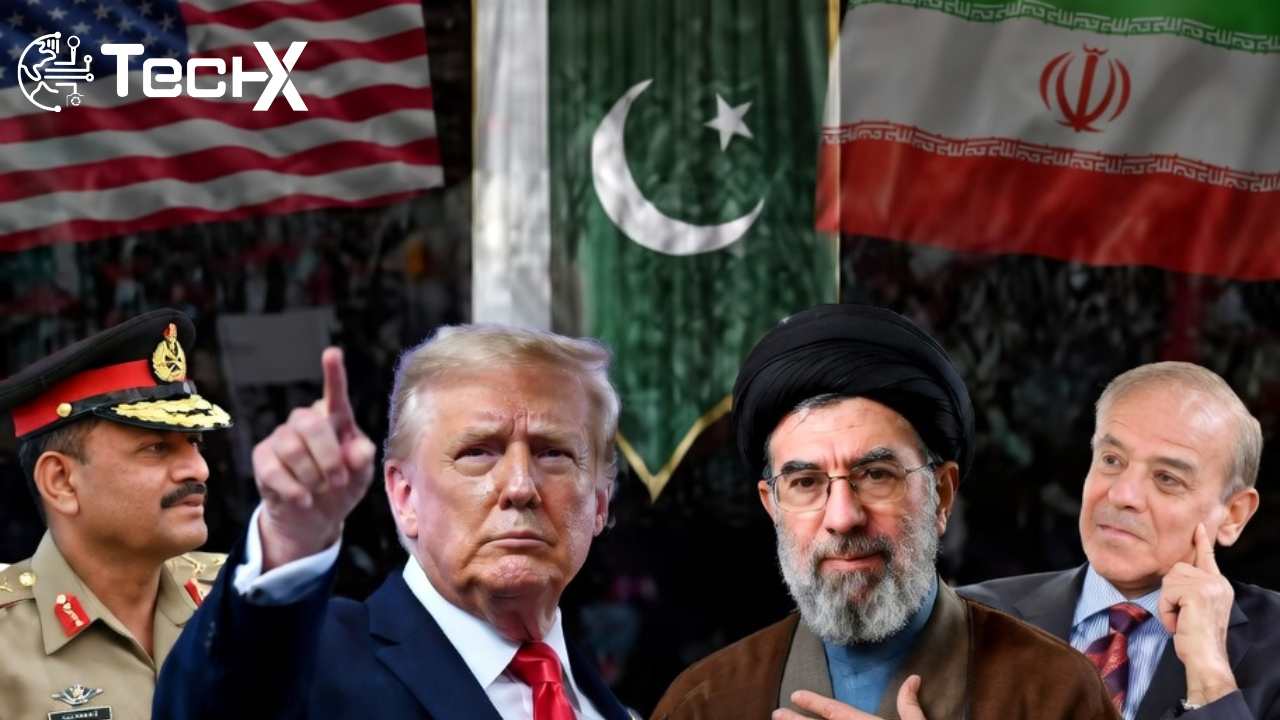
Pakistan has reportedly played an important diplomatic role in easing tensions between the United States and Iran. Due to its relations with both countries, Pakistan was able to act as a communication bridge during a sensitive period of regional escalation. This involvement helped create space for dialogue and reduced immediate tensions.
Facilitation of Ceasefire Understanding
According to multiple reports, Pakistan contributed to facilitating a temporary ceasefire understanding between the two sides. This was not a formal peace treaty, but rather a short-term arrangement aimed at preventing further escalation and encouraging continued dialogue between Washington and Tehran.
Strategic Position of Pakistan
Pakistan’s unique geopolitical position and diplomatic ties with both Western and Middle Eastern countries allowed it to play a constructive role. Its engagement was focused on de-escalation efforts rather than direct intervention in the conflict, making its role primarily supportive and diplomatic in nature.
International Recognition of Efforts
Reports suggest that both the United States and Iran have acknowledged, directly or indirectly, the importance of third-party diplomatic efforts in reducing tensions. Pakistan’s involvement has been highlighted in international discussions as part of broader regional stability initiatives.
Ongoing Regional Challenges
Despite the temporary ceasefire, major issues between the United States and Iran remain unresolved. Key disputes over security, nuclear concerns, and maritime stability especially around the Strait of Hormuz continue to create uncertainty in the region.
Conclusion
In conclusion, Pakistan’s role in facilitating dialogue between the United States and Iran reflects its growing importance in regional diplomacy. However, the ceasefire remains fragile, and long-term peace will depend on continued negotiations and compromise from both sides.