

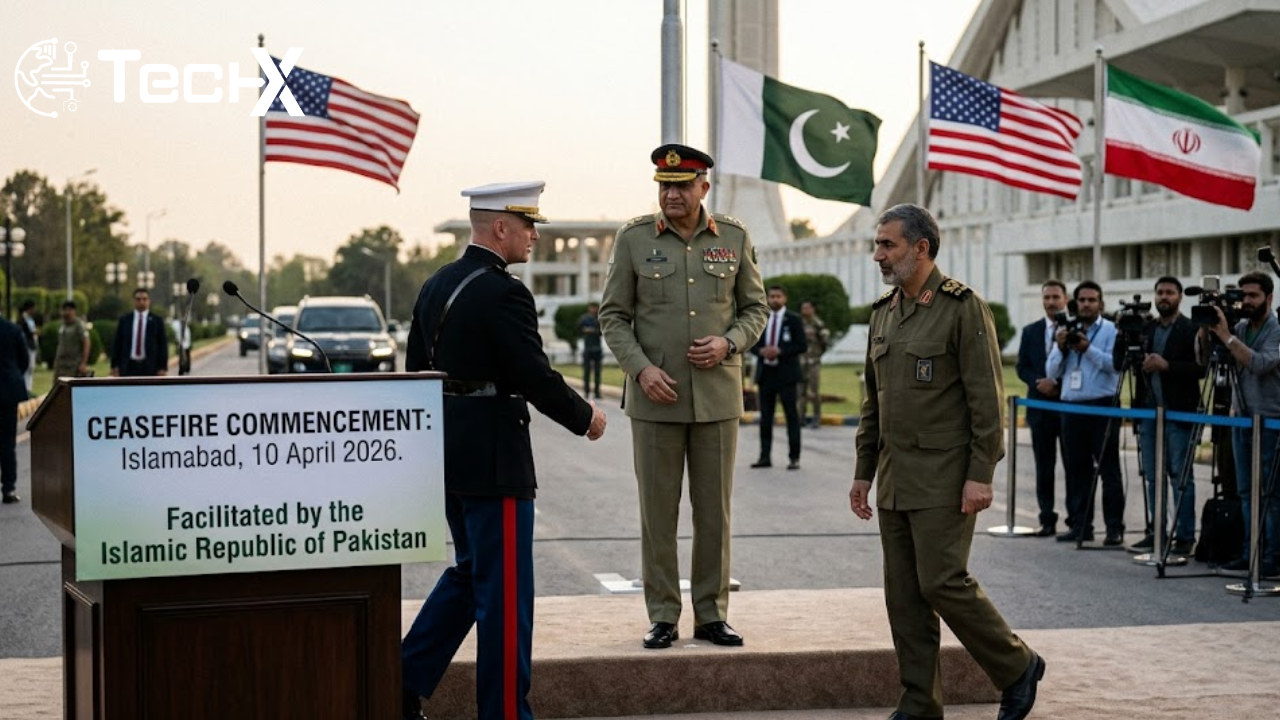
Recent developments between the United States and Iran led to a dangerous escalation, bringing the region close to a major conflict. Military activities, threats, and strategic movements from both sides had increased significantly, creating global concern. The situation was particularly sensitive due to its potential impact on Middle Eastern stability and international security.
Announcement of a Temporary Ceasefire
Amid rising tensions, both countries agreed to a temporary 2 week ceasefire. This agreement serves as a pause in hostilities rather than a permanent solution. The primary goal of this ceasefire is to prevent immediate conflict and provide space for diplomatic engagement.
Nature and Conditions of the Ceasefire
The ceasefire is conditional and time-bound, lasting only 14 days. During this period, both sides are expected to refrain from military actions. Certain expectations, such as maintaining stability in key regions and avoiding provocations, are part of the understanding between the two countries.
Pakistan Diplomatic Involvement
A significant aspect of this development is the diplomatic role played by Pakistan. The country actively worked to promote peace and reduce tensions. Through communication with relevant stakeholders, Pakistan positioned itself as a supporter of dialogue over conflict.
Role of Prime Minister Shehbaz Sharif
Prime Minister Shehbaz Sharif played a key role by advocating for restraint and peaceful resolution. He reportedly used official channels and public messaging to urge both sides to avoid escalation and prioritize dialogue.
Impact of Public Statements and Tweets
The statements and social media messages from Shehbaz Sharif emphasized the importance of peace and stability. These messages helped draw international attention toward the need for de-escalation and encouraged diplomatic thinking at a critical moment.
Pakistan as a Mediating Force
Pakistan’s balanced relations and strategic importance enabled it to act as a mediator. Its efforts contributed to creating an environment where dialogue became possible. This highlights how countries like Pakistan can influence global peace through timely diplomacy.
Limitations and Broader Diplomatic Context
While Pakistan and its leadership played a constructive role, it is important to understand that such ceasefires usually involve multiple international actors. Back-channel negotiations and internal decisions by both the United States and Iran also played a crucial part in reaching this agreement.
Future Outlook and Conclusion
The next two weeks are critical for determining whether this ceasefire can lead to long-term peace. Continued diplomatic efforts will be necessary to maintain stability. Overall, the role of Shehbaz Sharif reflects Pakistan’s commitment to promoting peace, though lasting resolution will depend on cooperation from all parties involved.