
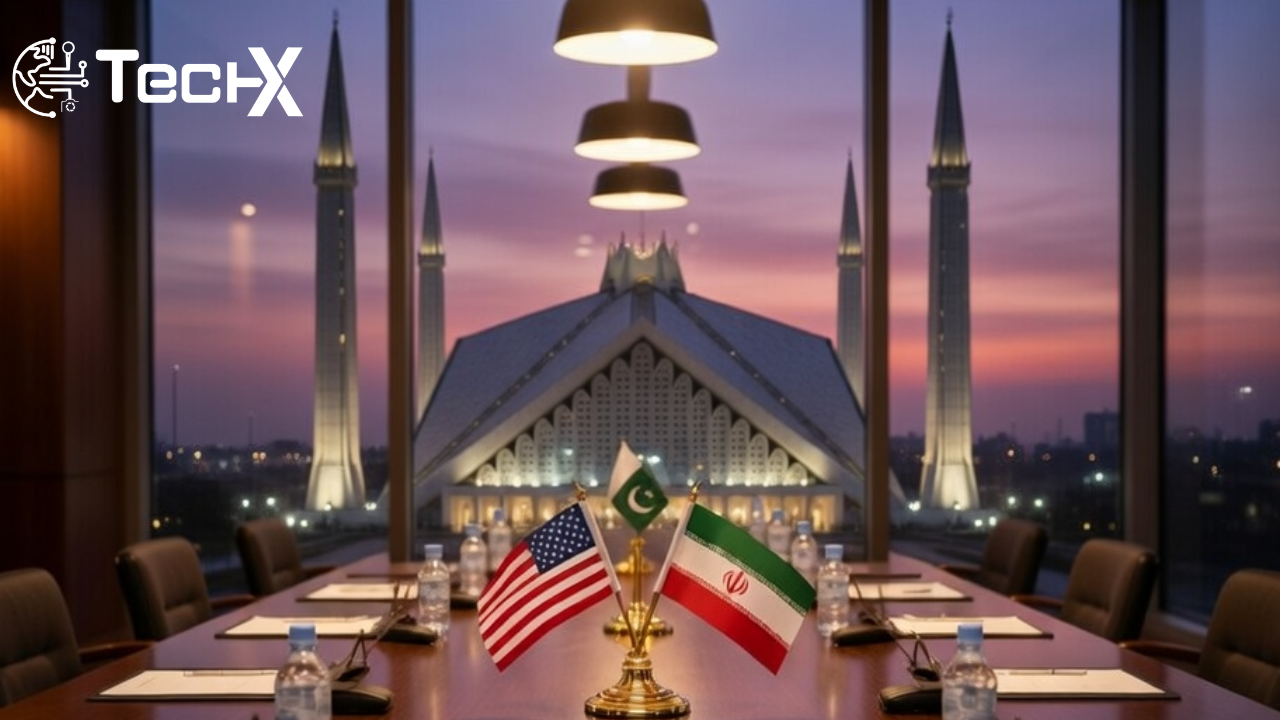
The United States and Iran have received a peace proposal formulated by Pakistan to try to halt the ongoing hostilities in the Middle East. The plan, often called the Islamabad Accord, is currently under review by both sides. It is designed to first stop the fighting and then work toward a longer-term resolution.
Two Phase Structure of the Proposal
The proposal is structured in two main phases. The first phase focuses on an immediate ceasefire, while the second phase involves broader negotiations to reach a comprehensive peace agreement. Both Tehran and Washington are examining the plan carefully, but no final decision has been made yet.
Pakistan Role as Mediator
Pakistan’s leadership has played an active role in drafting the plan and coordinating communications between the United States and Iran. Officials from both countries have engaged in discussions through diplomatic channels, and Pakistan may host further meetings if both parties agree to proceed.
Iran Position on the Proposal
A senior Iranian official has confirmed that Tehran is reviewing the plan but emphasized that it will not accept external pressure or fixed deadlines. Iran has specifically ruled out reopening the Strait of Hormuz as part of a temporary ceasefire, stating that any agreement must be durable and meaningful.
Broader Components Under Discussion
Other aspects of the plan, which are still under discussion, may include measures like easing sanctions, managing frozen assets, and commitments related to regional security and nuclear concerns. However, these points are not yet agreed upon.
Current Status of the Plan
At present, the plan is under consideration, but no formal agreement has been finalized. Diplomatic talks continue as mediators try to move both sides toward a peaceful resolution.
Key Components of the Islamabad Peace Plan
- Phase 1: Immediate Ceasefire – Stop ongoing hostilities and protect civilians.
- Phase 2: Broader Negotiations – Establish a long-term peace framework with a 15–20 day timeline.
- Strait of Hormuz – Reopening proposed, but Iran refuses temporary conditional measures.
- Economic and Security Measures – Potential easing of sanctions, release of frozen assets, and regional security commitments.
- Diplomatic Oversight – Pakistan as mediator and possible venue for further talks.
- Current Status – U.S. and Iran reviewing the plan; no agreement finalized yet.