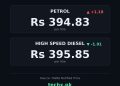

To control rising fuel consumption and manage the ongoing fuel crisis, Maryam Nawaz has announced several austerity measures in Punjab. The main objective of these decisions is to reduce government expenditures and ensure the conservation of petrol. Through these policies, the provincial government is attempting to start cost-cutting measures from within its own administrative structure.
Ban on Free Petrol for Ministers
One of the most significant decisions is the temporary suspension of free petrol provided to provincial ministers. Previously, ministers were given fuel allowances for official duties, but under the new policy they will have to arrange fuel for their personal use themselves. This step aims to immediately reduce the government’s fuel expenses.
Reduction in Fuel Allowance for Bureaucrats
In addition, the petrol and diesel allowances for senior bureaucrats and government officers have been reduced by 50 percent. This policy will mainly affect officers who frequently use official vehicles or travel allowances for their daily work. According to the government, this measure will significantly reduce fuel consumption.
Restrictions on Protocol Vehicles
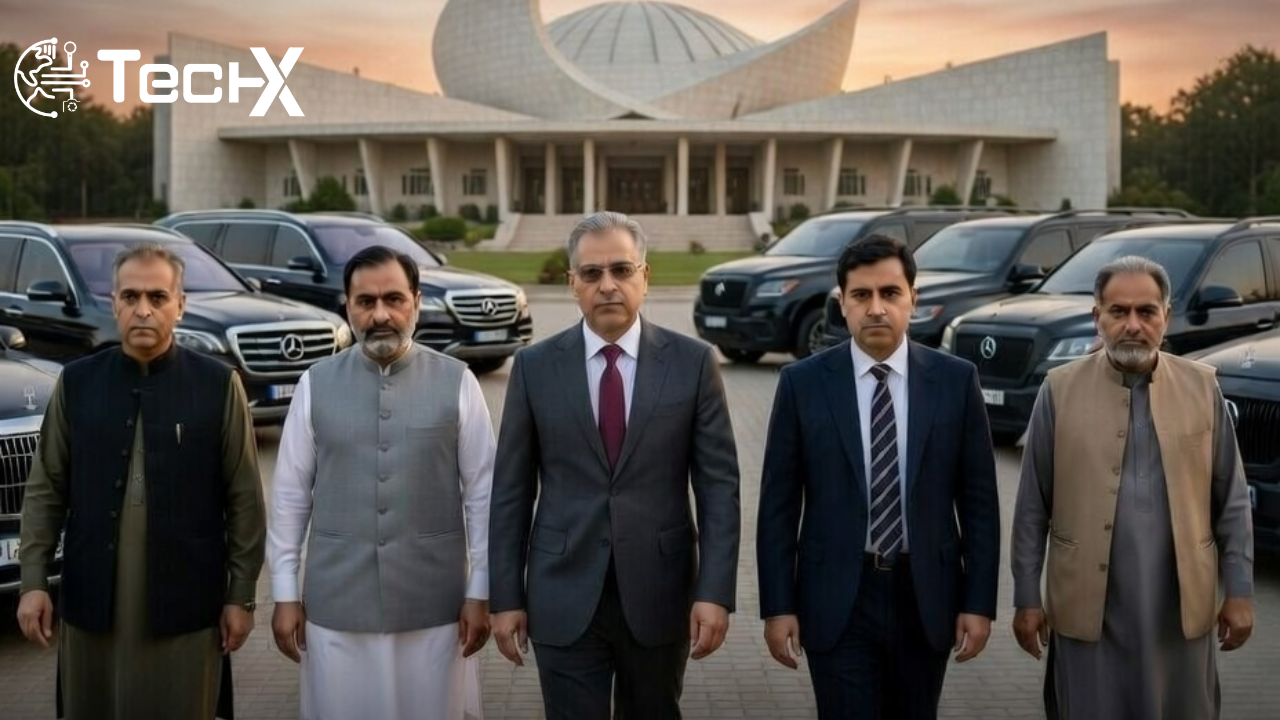
Another important decision is the restriction on protocol vehicles used by ministers. Under the new rule, a minister will be allowed to have only one security vehicle accompanying them. In the past, ministers often traveled with large convoys of vehicles, which consumed more fuel and sometimes caused traffic issues.
Work from Home Policy for Government Offices
To further conserve fuel, the Punjab government has introduced a work-from-home policy in government offices. Under this arrangement, only essential staff members will be required to attend the office, while the remaining employees will work remotely. This policy is expected to reduce daily commuting and lower fuel demand.
Temporary Closure of Schools and Colleges
The government has also taken a temporary step in the education sector by closing schools and colleges until 31 March. The purpose of this decision is to reduce transportation and daily travel associated with educational activities, which in turn will help save fuel.
Efforts to Conserve Fuel and Improve Efficiency
Overall, these measures aim to control fuel demand in the short term while also reducing government expenditures. Experts believe that if these policies are implemented effectively, they could contribute to better fuel conservation and improved administrative efficiency.