
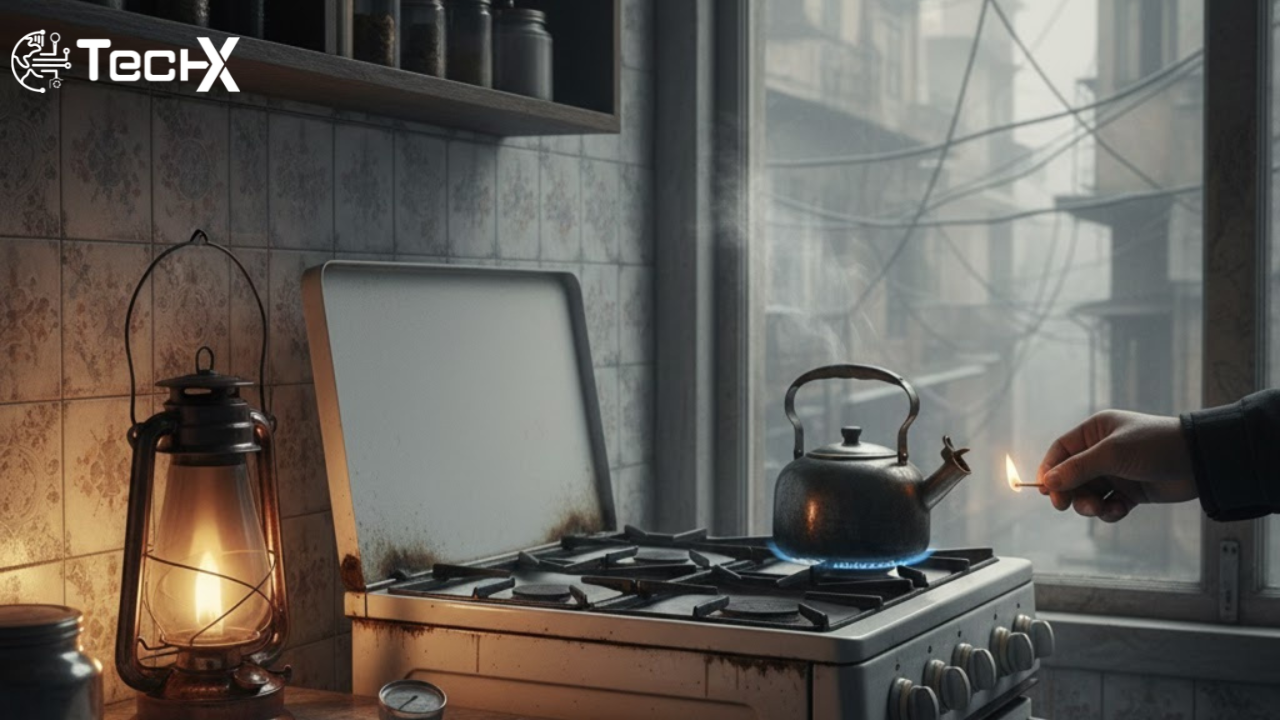
The advent of winter has further added to the problem of gas shortage in the major cities of Punjab and Khyber Pakhtunkhwa provinces of Pakistan. The reason is the onset of winters; the demand for gas increases sharply in domestic households as people use gas for cooking purposes, Hot water, as well as Heating.
Official Announcement by SNGPL
To deal with this situation, Sui Northern Gas Pipelines Limited has launched an official winter gas load shedding schedule for consumers. As per the officials, this has been carried out in order to balance gas pressures, so as to prevent the system breakdown, and in an effort to distribute the available gas in an equitable manner in different regions.
Urban Center Affected by the Gas Schedule
This official gas shedding schedule is for Lahore, Rawalpindi, Peshawar, and other relevant cities in the Punjab province and Khyber Pakhtunkhwa, which are in the SNGPL gas supply. Residential consumers in such cities have to manage their daily activities in line with the gas supply timings because it has been made official that gas cannot flow continuously in the winter season.
Official Gas Supply Timing Table Domestic Consumers
Gas will be supplied to domestic consumers during three fixed time slots. The morning slot is from 6:00 AM to 9:00 AM for breakfast. The afternoon slot is from 12:00 PM to 2:00 PM for lunch. The evening slot is from 6:00 PM to 9:00 PM for dinner.
Effects on Daily Life
The gas supply, which was restricted, has greatly affected the daily domestic routines of the people. Households are compelled to cook within the allocated timetables, while others struggle to take care of the heating and hot water demands. The case is worse for those households that have children and the elderly, and those with patients since gas supply is greatly needed during winter.
Public Reaction and Demands
The current gas crisis, as well as load shedding, have already caused widespread irritation among people. People are demanding from the government and gas departments that they should look for long-lasting solutions, such as increased gas supply, improvement of gas infrastructure, and use of alternative energy, to overcome such difficulties in the coming winters.