
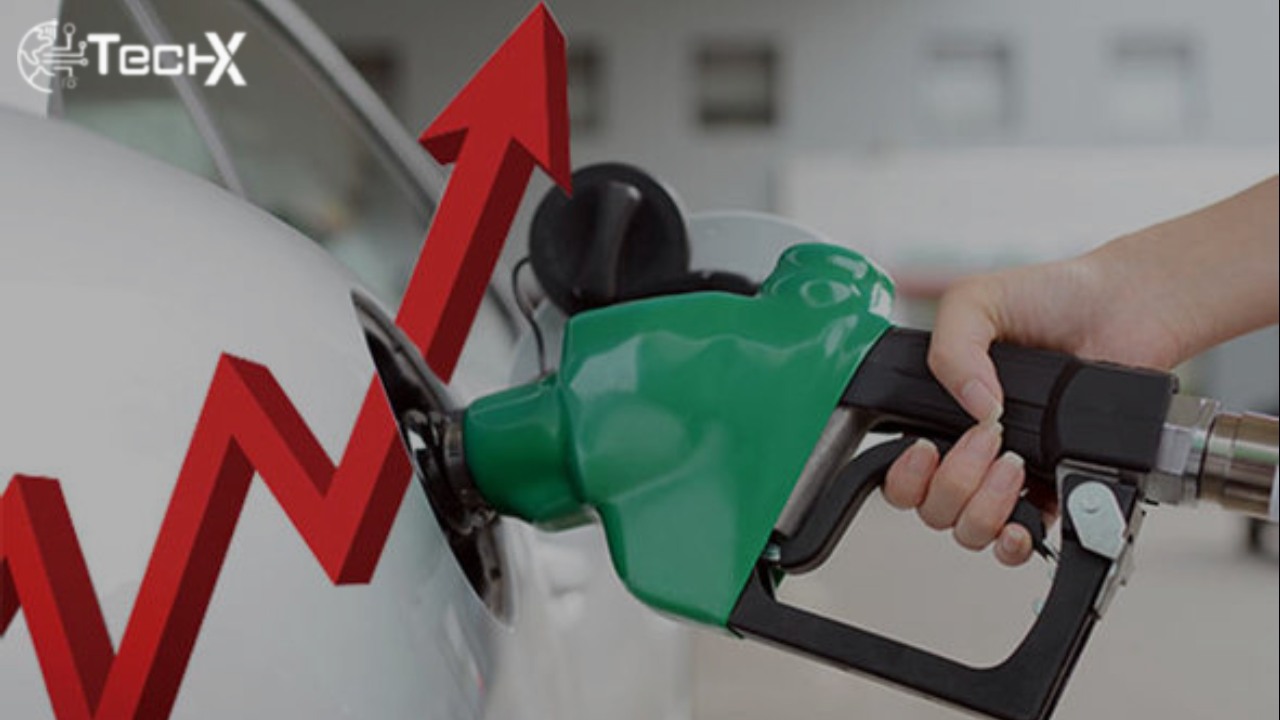
The federal government has announced another increase in petroleum prices, further burdening consumers. According to the Finance Division, petrol prices rose by Rs. 5.36 per liter, reaching Rs. 272.15. High-speed diesel saw a sharper hike of Rs. 11.37 per liter, now costing Rs. 284.35. This marks the third consecutive increase, worsening inflation and public frustration.
Consistent Price Surges in Recent Weeks
This hike follows last fortnight’s increase, where petrol rose by Rs. 8.36 per liter and diesel by Rs. 10.39. Mid-June also saw significant jumps Rs. 4.80 for petrol and Rs. 7.95 for diesel. The cumulative effect has pushed fuel costs to unprecedented levels, straining household budgets and business operations. Experts warn of further inflationary pressures if the trend continues.
Impact on Daily Life and Economy
Rising fuel prices directly affect transportation costs, leading to higher prices for essential goods. Public transport fares are expected to rise, increasing commuting expenses. Industries reliant on diesel, such as agriculture and logistics, will face higher operational costs. Economists predict a ripple effect, with inflation likely to surge further, diminishing purchasing power for millions.
Also Read: Petrol Nears Rs. 270 Per Liter as Govt Again Increases Price
Government’s Justification for the Hike
Officials cite global oil market fluctuations and currency depreciation as key reasons for the hike. The government adjusts prices fortnightly based on international rates and tax policies. However, critics argue that excessive taxation exacerbates the crisis. Calls for subsidy reforms and relief measures grow louder as citizens struggle with soaring living costs.
Public Reaction and Protests
Citizens and opposition leaders have condemned the repeated price hikes, labeling them anti-people. Protests and strikes are being planned by trade unions and political groups. Social media is flooded with complaints, with many demanding government intervention to stabilize prices. The rising discontent poses a challenge for policymakers ahead of potential elections.
Future Outlook and Possible Solutions
Analysts suggest exploring alternative energy sources to reduce dependency on imported fuel. Short-term relief measures, such as targeted subsidies, may ease public distress. However, long-term solutions require structural reforms in energy pricing and taxation. Without decisive action, fuel prices may continue climbing, deepening economic hardships for ordinary citizens.
Conclusion
With petrol now exceeding Rs. 270 per liter, the latest hike intensifies financial strain on households and businesses. The government faces mounting pressure to address the crisis before it spirals further. Sustainable policies and relief measures are urgently needed to mitigate the impact on an already struggling population.