

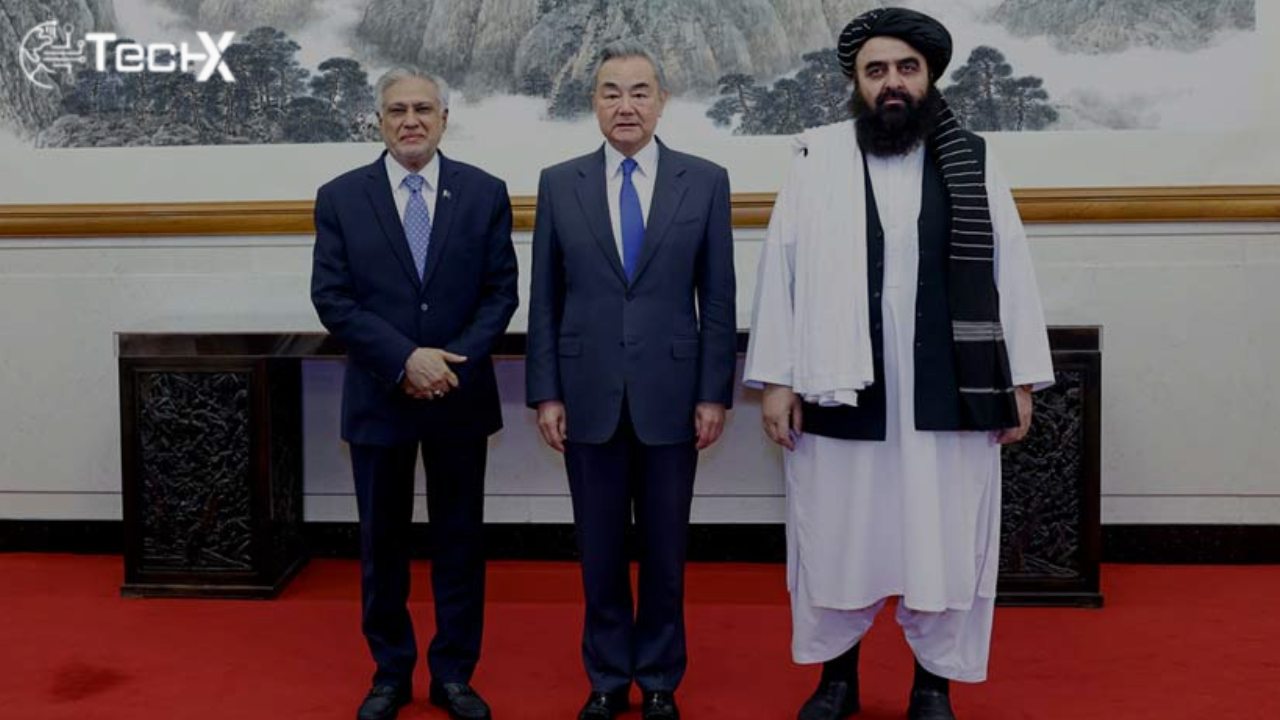
Pakistan has long faced pressure on two fronts: tensions with India and instability on the Afghan border. Surprisingly, clashes at the Pak-Afghan border have been deadlier than those with India. Recognizing this, China stepped in as a mediator, bringing both nations to the negotiating table. This unexpected move has reshaped regional dynamics, leaving India at a strategic disadvantage.
China’s Quiet Yet Powerful Diplomacy
Without fanfare, China invited the foreign ministers of Pakistan and Afghanistan for talks. The discussions led to immediate goodwill gestures. Pakistan upgraded its Chargé d’Affaires in Afghanistan to full ambassador status, signaling deeper diplomatic engagement. This makes Pakistan the fourth country, after China, the UAE, and Uzbekistan, to appoint an ambassador to Afghanistan, marking a significant shift in bilateral relations.
Afghanistan’s Assurance to Pakistan
In a breakthrough, Afghanistan assured Pakistan that its soil would not be used against its neighbor. This commitment addresses Pakistan’s long-standing security concerns. In return, Pakistan offered trade concessions, allowing Afghanistan greater access to its ports and transit routes. Such cooperation could boost Afghanistan’s economy while stabilizing the region, reducing India’s influence in Kabul.
Also Read: Karachi Hit by Series of Earthquakes: Experts Warn of Aftershocks
India’s Strategic Setback
India has long sought to isolate Pakistan by fostering ties with Afghanistan. However, China’s mediation has disrupted this plan. With Pakistan and Afghanistan improving relations, Islamabad can now focus more on its eastern border. If India attempts any aggressive moves, Pakistan is in a stronger position to respond decisively. This development has undoubtedly unsettled New Delhi’s regional strategy.
Economic and Security Benefits for Pakistan
Enhanced Pak-Afghan ties bring economic and security advantages. Smoother trade through Pakistani ports will benefit Afghanistan while generating revenue for Pakistan. Additionally, reduced cross-border militancy will ease security pressures. This stability allows Pakistan to allocate more resources toward development and countering Indian threats, strengthening its regional stance.
A New Chapter in Regional Politics
China’s diplomatic intervention has rewritten regional dynamics. By fostering Pak-Afghan reconciliation, Beijing has countered Indian influence while promoting stability. This move underscores China’s growing role as a peacemaker in South Asia. For Pakistan, it means fewer distractions on its western border and a stronger position against India, marking a significant geopolitical win.
Conclusion
China’s quiet yet effective diplomacy has delivered a strategic blow to India while benefiting Pakistan and Afghanistan. With improved relations, Pakistan can now counter Indian aggression more effectively. This development proves that regional conflicts can be resolved through dialogue, with China emerging as a key player in South Asia’s future. The geopolitical landscape has shifted, and India must now rethink its strategy.