

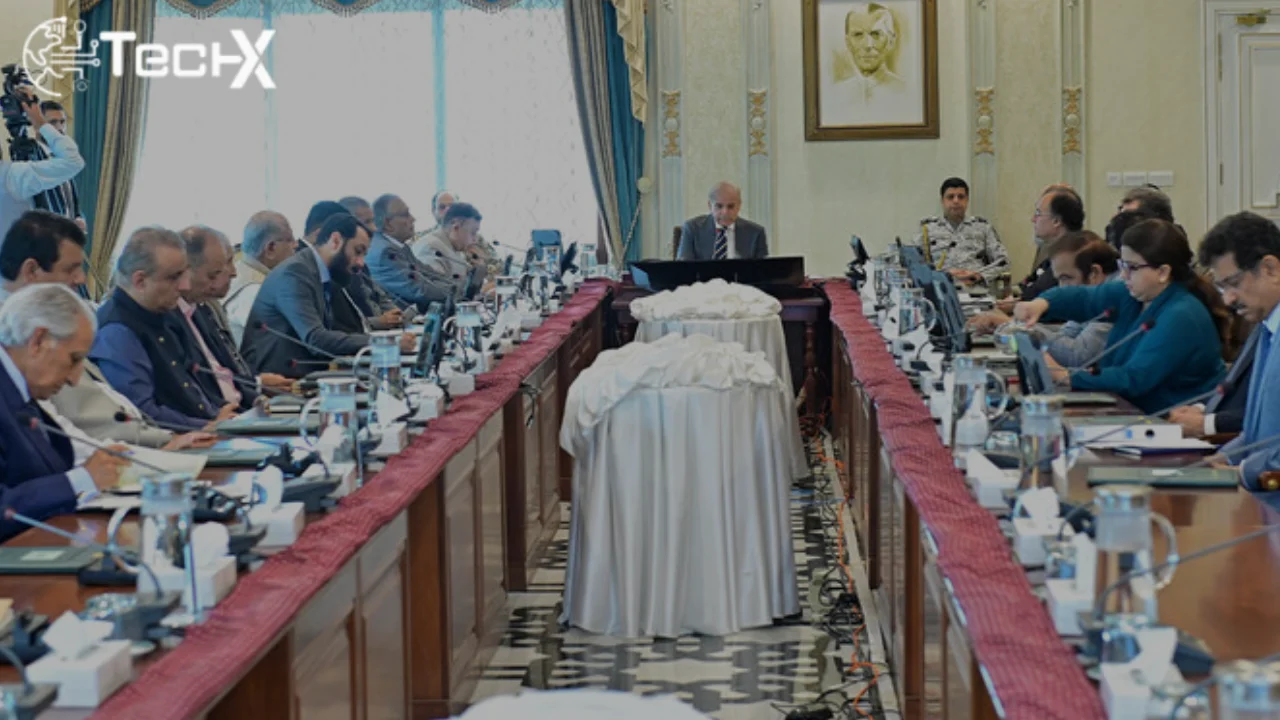
Prime Minister Shehbaz Sharif chaired a high-level National Security Committee (NSC) meeting following tensions with India. The session addressed India’s unilateral actions, including the Pahalgam incident and water treaty violations. The NSC approved strong countermeasures, terming India’s moves as “diplomatic and water aggression.” Pakistan vowed to defend its sovereignty and regional interests decisively.
Major Retaliatory Strategies Unveiled
Pakistan announced sweeping measures, including:
| Retaliatory Measure | Details |
|---|---|
| Closure of Wagah Border | Complete sealing of the primary land route for trade and travel with India. |
| Suspension of Trade Ties | All bilateral trade halted, including imports and exports. |
| Airspace Restrictions | Indian airlines barred from using Pakistani airspace. |
| Visa Cancellations (SAARC Scheme) | Visas for Indian citizens suspended, except for Sikh pilgrims. |
| Diplomatic Staff Reduction | Indian High Commission staff capped at 30 members. |
| Expulsion of Defense Advisors | Indian defense diplomats declared persona non grata and forced to leave. |
Review of India’s Hostile Actions
The NSC condemned India’s suspension of the Indus Waters Treaty, travel bans on Pakistanis, and diplomatic downsizing. Pakistan dismissed India’s allegations regarding the Pahalgam incident as baseless. The committee resolved to challenge India’s water treaty violations internationally. It also warned that any Indian aggression would be met with a forceful response, reaffirming trust in Pakistan’s military readiness.
Internal and External Security Concerns
The NSC assessed regional tensions, emphasizing threats to sovereignty. It accused India of staging a “false flag operation” in Pahalgam to justify aggression. Pakistan reiterated its commitment to defending Kashmiri rights and exposing India’s violations of UN resolutions. The committee also highlighted Kulbhushan Jadhav’s case as evidence of Indian-sponsored terrorism.
Also Read: Pahalgam Terror Attack: India Expels Pak Nationals, Bans Visas
Diplomatic and Economic Countermeasures
Pakistan declared India’s water treaty suspension as “unacceptable water aggression.” The NSC considered scrapping bilateral agreements, including the Simla Accord. Diplomatic staff reductions and visa restrictions aim to pressure India politically. The measures reflect Pakistan’s resolve to counter India’s provocations while maintaining strategic deterrence.
Reaffirmation of National Sovereignty
The NSC asserted that Pakistan would never compromise on security or dignity. It rejected Indian propaganda, vowing to expose false narratives globally. The committee stressed that India’s actions validate the two-nation theory. Pakistan remains committed to regional stability while defending its interests against Indian hostility.
International Outreach Planned
Pakistan will approach global forums to highlight India’s treaty violations and human rights abuses in Kashmir. The NSC urged the world to recognize India’s destabilizing role. Pakistan remains a key player in counterterrorism, contrasting India’s alleged state-sponsored terrorism. The committee resolved to counter Indian misinformation campaigns effectively.
Conclusion: A Firm Stand Against Aggression
Pakistan’s decisive measures signal a strong response to India’s provocations. By closing borders, restricting airspace, and cutting diplomatic ties, Islamabad demonstrates unwavering resolve. The NSC’s decisions underscore Pakistan’s commitment to sovereignty, regional peace, and justice for Kashmir. The world must hold India accountable for its aggressive policies and violations of international law.