
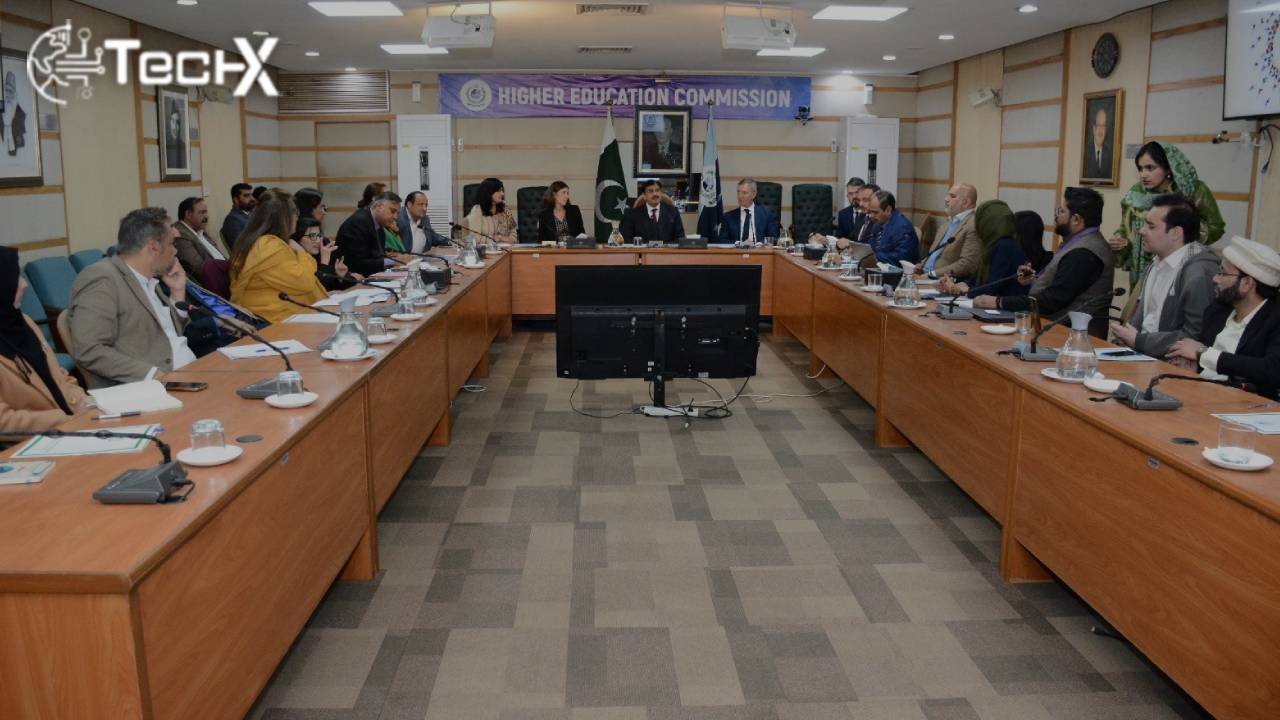
The Higher Education Commission (HEC) of Pakistan has unveiled revised curricula for Sociology degree programs, including Associate, Bachelor’s, and Master’s levels. This initiative aims to elevate academic standards and align education with contemporary industry demands. The updated framework reflects HEC’s commitment to fostering a more dynamic and relevant educational environment for students pursuing Sociology in Pakistan.
National Curriculum Review Committee’s Role
The revised curricula were developed by the National Curriculum Review Committee (NCRC), comprising senior academics and subject experts from leading universities. Chaired by Prof. Dr. Anwar Alam of the University of Peshawar, the committee included representatives from Quaid-i-Azam University, the University of Punjab, and other prestigious institutions. Mr. Muhammad Ali Baig, HEC’s Deputy Director, served as Secretary, ensuring a collaborative and expert-driven approach.
Updated Credit Hour Requirements
A significant change in the revised curricula is the updated credit hour requirements. The Associate Degree in Sociology now mandates a minimum of 68 credit hours, while the BS Sociology program requires 131 credit hours. These adjustments aim to provide a more comprehensive academic foundation, ensuring students gain in-depth knowledge and skills essential for their professional growth in the field of Sociology.
Specialized Tracks in BS Sociology
The BS Sociology curriculum now includes specialized tracks, offering students the opportunity to focus on areas such as Industrial Sociology, Social Inclusion & Diversity, Rural Sociology, and Urban Sociology. Universities can also introduce additional specializations based on faculty expertise and resources. This flexibility ensures that programs remain relevant to both academic advancements and industry needs, catering to diverse student interests.
Also Read: PCB Clarifies Reason for Indian Flag’s Absence at Karachi Stadium
Emphasis on Practical Learning
To bridge the gap between theory and practice, the revised BS Sociology curriculum incorporates mandatory experiential learning components. Students must complete a supervised internship and a capstone project, each worth three credit hours. These additions aim to equip graduates with hands-on experience, preparing them for real-world challenges and enhancing their employability in a competitive job market.
Exemptions for Associate Degree Programs
While the BS Sociology program emphasizes practical learning, the Associate Degree program remains exempt from these requirements. This distinction ensures that the curriculum remains accessible and manageable for students pursuing shorter academic pathways, while still providing a solid foundation in sociological concepts and principles.
Restructured MPhil Sociology Curriculum
The MPhil Sociology curriculum has also been revamped to promote a research-driven academic environment. It now includes three core courses, five elective courses, and a mandatory research component. Universities can tailor elective offerings based on faculty expertise, ensuring flexibility while maintaining rigorous academic standards. This restructuring aims to cultivate advanced research skills among postgraduate students.
Academic Parameters and University Autonomy
The revised curricula outline key academic parameters, including eligibility criteria, program learning outcomes, and degree award requirements. While HEC provides broad guidelines, universities retain the autonomy to design detailed course syllabi. This approach ensures that programs remain aligned with industry trends and research advancements, fostering innovation and relevance in higher education.
Immediate Implementation
HEC has directed all universities to implement the updated Sociology curricula immediately. An electronic copy of the revised framework is available on HEC’s official website, ensuring easy access for institutions. This swift implementation underscores HEC’s commitment to modernizing Pakistan’s higher education system and addressing the evolving needs of students and industries alike.
A Step Toward Modernization
The introduction of updated curricula marks a significant milestone in Pakistan’s higher education landscape. By aligning academic programs with industry demands and emphasizing practical learning, HEC aims to produce graduates equipped with the knowledge and skills needed to thrive in a rapidly changing socio-economic environment. This initiative reflects a forward-thinking approach to education, ensuring Pakistan remains competitive on the global stage.
Conclusion
The revised Sociology curricula introduced by HEC represent a transformative step in Pakistan’s higher education system. By incorporating specialized tracks, practical learning components, and research-driven approaches, these updates aim to enhance the quality of education and better prepare students for professional success. This initiative underscores HEC’s dedication to fostering academic excellence and meeting the challenges of a dynamic global landscape.