
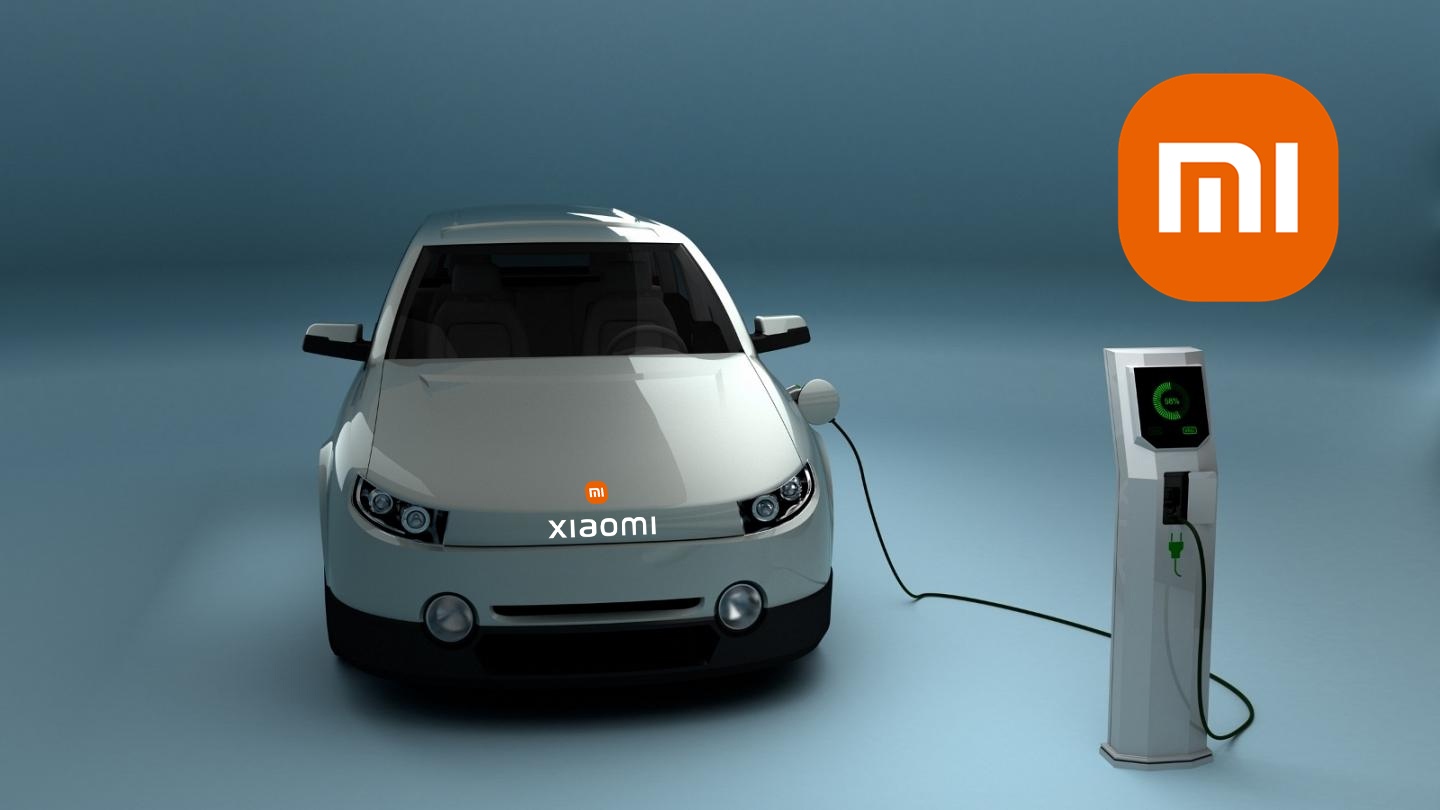
Xiaomi’s dreams of keeping its first electric vehicle a secret and out of sight until the day of its presentation have been crushed.
If you don’t remember, the first time we saw front and rear bumpers, Xiaomi quickly referred to them as early prototypes.
These so-called prototypes were a part of a bid that BAIC and its plastic moulding company allegedly won.
Xiaomi was quick to point out that those were actual but unfinished products and that the design has altered significantly since.
The narrative made sense, and it appeared that Xiaomi could celebrate a job well done in preventing the calamity of its first EV leaked much in advance of the official debut.
Unfortunately for Xiaomi, more information continued to surface. Within a few days, a second story was published in which it is displayed the Xiaomi MS11 in all its splendour.
The pictures that were leaked indeed resemble marketing collateral, and oddly enough, they showed the bumper design that was meant to be a preliminary version.
That might suggest one of two things: either the car pictures were just for marketing purposes and displayed an early prototype solely for illustration.
However, at this point, the tale was really stretching things, and even Xiaomi stayed silent, declining to confirm or deny if the MS11 is in fact the company’s first electric vehicle.
CEO of Xiaomi action
But the silence didn’t stay long. Lei Jun, the CEO of Xiaomi, stated on his personal Weibo account that the business had demanded a penalty payment from the supplier who had leaked the photographs.
The need is for the supplier to increase its security and confidentiality procedures in exchange for RMB 1 million, or roughly $150,000.
The preceding information does confirm that the leaked bumper pictures were a part of the BAIC bid application, even if BAIC is not specifically mentioned in that remark.
Xiaomi may be dissatisfied, but it is already too late; the secret is out, and the fine is merely a show of good faith on the part of the business in protecting the privacy of its designs.
If BAIC is the provider, the fine won’t have even the slightest impact on its financial situation.
In its new facility, which should be operational this year, Xiaomi wants to produce up to 300,000 vehicles.
Although Xiaomi must rely on suppliers for that to happen, the full production capacity is anticipated to be reached next year.
The worst-case situation would be a total collapse of the contract, thus the corporation cannot risk getting into a fight with BAIC over the leaked photographs right now. Finding a new supplier might cause Xiaomi to fall months behind schedule.
To expedite the release of its first electric vehicle, Xiaomi decided to outsource many of the parts for the future MS11.
It is a great strategy, but it undoubtedly has a cost; the Xiaomi MS11 cannot be kept a secret forever.
To read our blog on “Xiaomi patents a cutting-edge EV battery cooling system,” click here.