

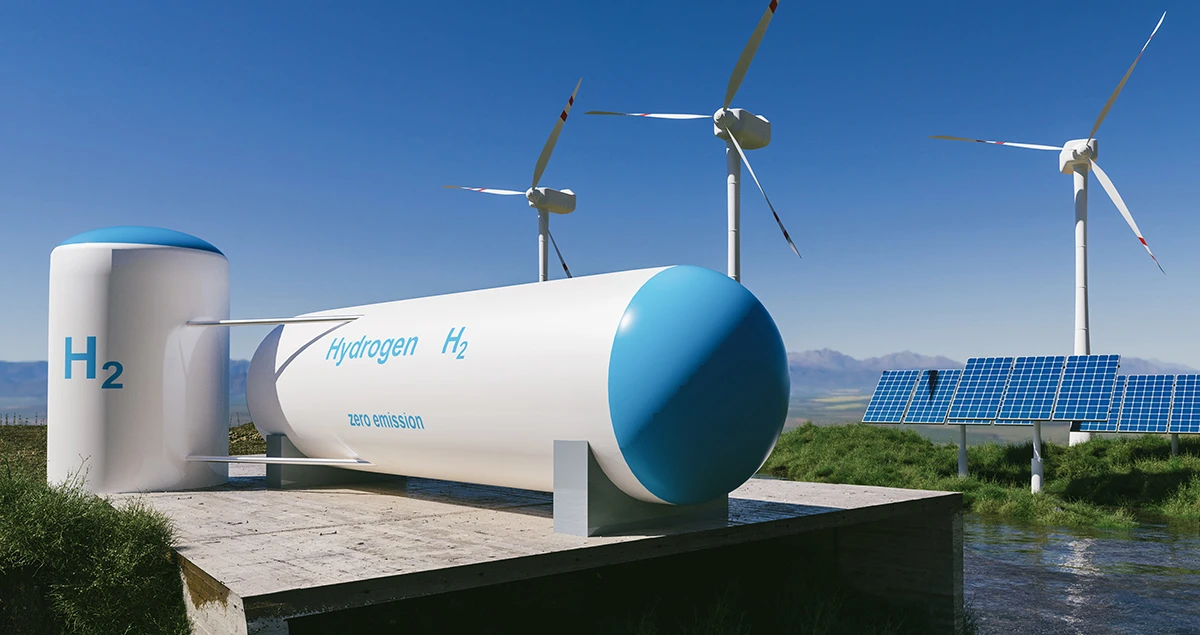
If climate change is the century’s greatest challenge, hydrogen could be the underdog solution.
It has received little attention thus far in comparison to other options for reducing greenhouse gas emissions, such as solar or electric vehicles, but this is changing rapidly.
Because of rapid and profound technological and policy advances, money and labour are pouring into hydrogen companies, projects, and infrastructure, almost all of which are focused on producing hydrogen supplies that emit little to no carbon.
Since 2020, developers have announced more than 150 new hydrogen production projects, totaling more than 250 gigatons of new power generation capacity (roughly ten times all renewable power added by China last year and three times the renewable power additions for the whole world). Public policy is assisting.
At least 35 countries have formal hydrogen strategies in place, including Canada, Chile, Germany, India, Japan, the Netherlands, Qatar, Saudi Arabia, and the United Kingdom, because they see clean hydrogen as both necessary for addressing climate change and a huge opportunity for trade and commercial competitiveness.
Until recently, hydrogen was primarily used to produce ammonia and refined fuels. The majority of that hydrogen has come from processes that use fossil fuels with no abatement measures, releasing 500 million tons of carbon dioxide into the atmosphere each year, accounting for about 1% of all global greenhouse gas emissions.
In contrast, most of today’s enthusiasm and investment is focused on using hydrogen as a fuel or developing new clean fuels.
And, rather than relying on old processes that emit carbon dioxide into the atmosphere, there is a strong emphasis on producing “green” hydrogen, which uses clean electricity from solar, wind, hydro, or nuclear power to split water into its component parts: hydrogen and oxygen.
The method is simple, it is used in chemistry classes all over the world, it requires no combustion and has few moving parts. Investment in these technologies’ places green hydrogen at the forefront of the future production of widely available clean fuels.
This enthusiasm for green hydrogen would have surprised many energy and climate experts five years ago, who saw hydrogen as an unlikely player in the future energy mix.
Hydrogen could not compete as a fuel in previous economies. It was simply too expensive, as were solar and wind power, and there were numerous alternatives, including coal, natural gas, and crude oil.
Early attempts to integrate hydrogen into the economy focused on its use in automobiles, which would have necessitated major changes to fueling infrastructure and factory floors.
To read our blog on “Akio Toyota Drives a Hydrogen-Powered GR Yaris on a World Rally Stage,” click here