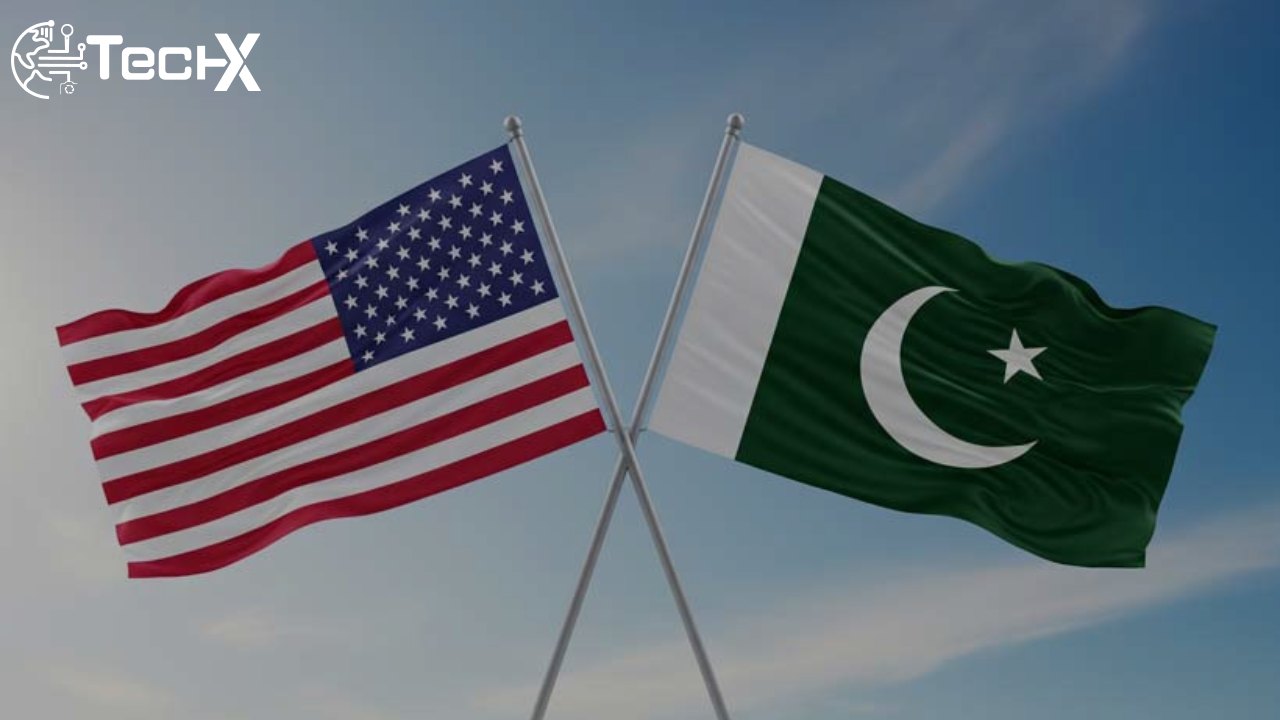
Pakistan’s mining industry has caught the attention of major American investors. The President of the U.S. Critical Minerals Forum, Robert Louis Strayer II, visited Islamabad and met with the Federal Finance Minister and senior officials. Their talks focused on exploring collaboration in critical minerals and ensuring secure global supply chains, marking a potential turning point for Pakistan’s underdeveloped but promising mining sector.
Pakistan’s Rich Mineral Reserves Draw Global Interest
Pakistan holds vast deposits of copper, antimony, lithium, and rare earth elements, all essential for clean energy and modern technologies. Despite this abundance, the country’s mining potential has remained largely untapped due to poor infrastructure, outdated regulations, and inconsistent policies. U.S. interest signals a renewed effort to unlock these resources through transparency, investment, and better governance.
Focus on Sustainable and Responsible Mining Practices
During the meeting, Mr. Strayer, joined by U.S. Chargé d’Affaires Natalie Baker, stressed the importance of sustainability and supply chain transparency. The delegation emphasized promoting responsible mining to protect both the environment and local communities. They also highlighted the need to build investor confidence through clear policies and strong institutional frameworks that support fair and ethical extraction practices.
Pakistan Seeks to Strengthen Economic Stability
Finance Minister welcomed the U.S. team, expressing optimism about foreign investment in minerals. He said a strong minerals policy could help Pakistan reduce reliance on external financial aid and bring long-term economic stability. He reaffirmed the government’s commitment to reforms, including privatization of state enterprises and a transparent tax system, to attract reliable and sustainable international partnerships.
U.S. Forum Promotes Technology Transfer and IP Protection
Mr. Strayer explained that the U.S. Critical Minerals Forum, backed by the U.S. government, focuses on building secure and transparent mineral supply chains. He shared that American companies are eager to invest in Pakistan’s exploration and refining sectors, particularly in copper and antimony. Technology transfer, innovation, and intellectual property protection will form the foundation of these partnerships.
Shared Vision for Future Collaboration
The U.S. delegation praised Pakistan’s capable workforce in science and engineering, seeing great potential for joint ventures. Both sides agreed to continue discussions and draft a formal proposal for future cooperation. Experts believe this collaboration could boost Pakistan’s exports, strengthen foreign reserves, and align with global goals for green energy. It could also draw further interest from allies like Saudi Arabia and China.