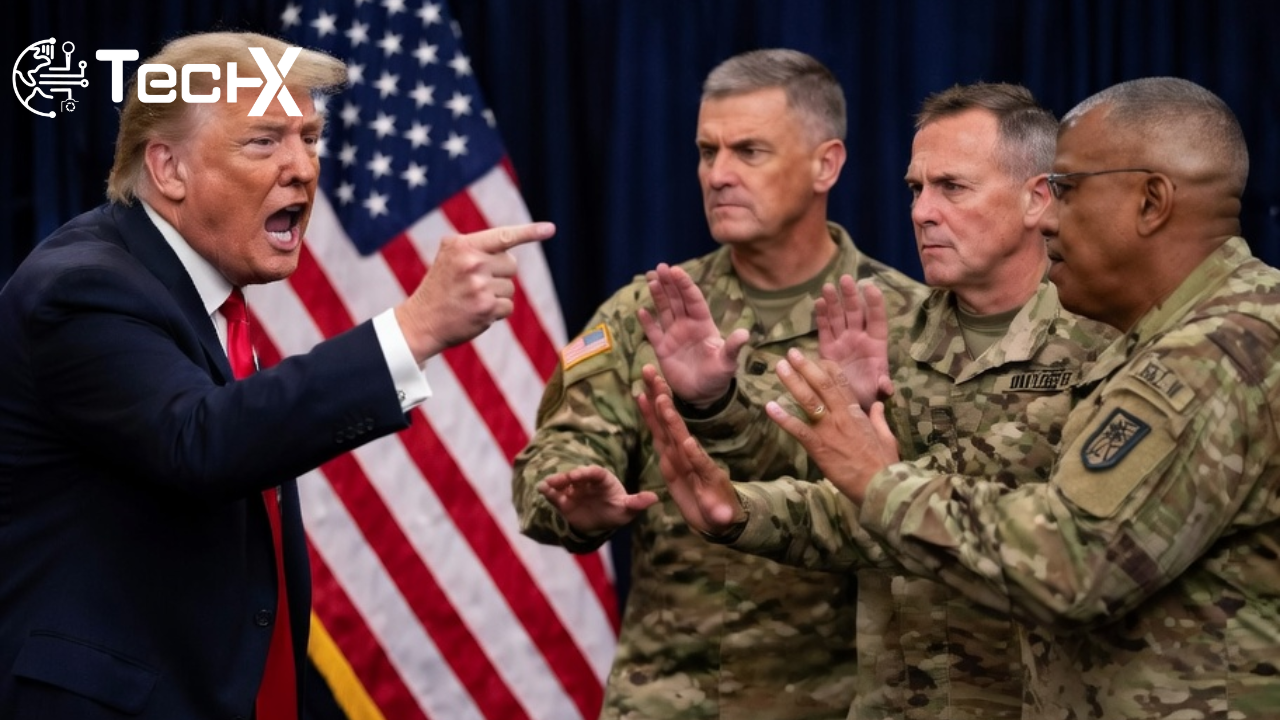
In a move that has sent shockwaves through the global military community, the United States has abruptly fired its Army Chief of Staff, Gen. Randy George. This unprecedented dismissal, occurring in the middle of his term, marks one of the most significant leadership shakeups in the history of the Pentagon. The decision was reportedly finalized by President Donald Trump and Defense Secretary Pete Hegseth, signaling a radical shift in American military command.
Failure in Iran Strategy Cited as Primary Cause
The primary reason behind this sudden termination is the administration’s dissatisfaction with the current U.S. military strategy in the ongoing Gulf War. Reports indicate that Gen. Randy George was ousted due to “failed strategies” against Iranian forces and their regional proxies. The Trump administration has been vocal about its desire for a more aggressive and decisive military posture, and the removal of the Army Chief is seen as a direct consequence of the tactical setbacks faced in the Middle East.
A Wider Purge Two Other Generals Ousted
Gen. Randy George was not the only high-ranking officer to be shown the door. Two other prominent generals General David Hodne, head of the Army’s Training and Transformation Command, and Major General William Green Jr., the Army’s Chief of Chaplains were also abruptly removed from their positions. This wider “purge” suggests a systematic effort to clear out the “Old Guard” and replace them with leaders who align more closely with the current administration’s wartime doctrines.
Defense Secretary Pete Hegseth Role
The dismissal was executed under the direction of Defense Secretary Pete Hegseth, who has recently been pushing for a complete overhaul of the Pentagon’s top brass. Hegseth has criticized what he calls “woke” policies and bureaucratic stagnation within the military. By firing the Army Chief and key generals, Hegseth is effectively centralizing control and removing any internal opposition to his plans for a leaner, more combat-focused military force.
Global Impact and the Strait of Hormuz
This leadership crisis comes at a critical time when the Strait of Hormuz remains a volatile flashpoint and global fuel prices are surging. The sudden vacancy at the top of the U.S. Army adds a layer of uncertainty to an already fragile global security landscape. Allies and adversaries alike are watching closely to see how this transition affects American military operations in the Gulf and whether it leads to a further escalation of the conflict with Iran.
Domestic Reaction and Future Outlook
Within the United States, the move has sparked intense debate. Supporters of the administration argue that a change in leadership was necessary to correct a failing war strategy, while critics warn that firing top generals during an active conflict could undermine troop morale and national security. As the Trump administration moves to appoint new hardline loyalists to these positions, the U.S. military enters an era of high-stakes transformation that will define the outcome of the 2026 Gulf War.