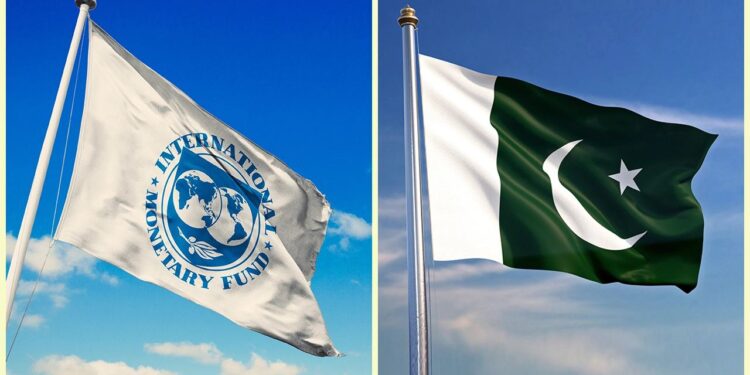
Pakistan has been ordered by the International Monetary Fund (IMF) to secure $8 billion in outside funding. According to a local publication, this new challenge follows the conclusion of the 9th IMF Review and the reactivation of a $6.5 billion rescue package.

With weekly inflation hitting 48 percent on a YoY basis and foreign reserves dropping to $4.4 billion, Pakistan’s economic crisis is becoming worse despite the government’s efforts to avert default by lowering imports.
After carefully examining all the financial prospects for the upcoming May-December period, the international money lender increased its initial demand from $6 billion to $8 billion, but Pakistan has refused to meet it.
IMF Conditions For The Bail-Out Package
It claims that because the existing IMF program is set to expire in June, additional requirements shouldn’t be added.
Additionally, the Finance Ministry has refused to provide the international money lender access to the draught budget for the upcoming fiscal year until the Fund integrates the 10th review and gives the 9th review more than $1.2 billion.
In order to compete for the $1.2 billion ninth program, the IMF required Pakistan to secure $6 billion in new loans in addition to rollovers for debt obligations until June.
This week, Pakistan’s Finance Minister Ishaq Dar informed the Fund that all requirements had been completed, with Saudi Arabia and the UAE each committing $2 billion and $1 billion in new loans.
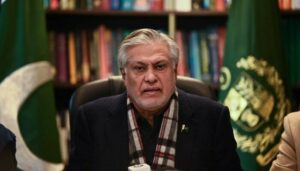
Dar claimed that only once the staff-level agreement is made public and the $1.2 billion ninth review is authorized can arrangements for a further $3 billion be made.
In a previous statement, IMF spokeswoman Julie Kozack said on Thursday that in order to complete the ninth assessment and release funds, Pakistan would need to secure “significant additional financing.”
Reports state that the IMF is more concerned with keeping Pakistan from defaulting than it is with building up its foreign reserves.
Ishaq Dar, Pakistan’s finance minister, on the other hand, vehemently denied any need for the IMF or the fear of default. “Pakistan will not default whether there is an IMF program or no program,” he stated.
Dar suggested that false perceptions about Pakistan’s economic status are emerging.
When he explained a comment made by a foreign rating agency regarding Pakistan’s $3.7 billion in debt repayments due before June, a different foreign rating agency asserted that Pakistan would not be able to meet its debt financing obligations.
To read our blog on “IMF deal may delay due to Imran Khan’s arrest on May 9,” click here.