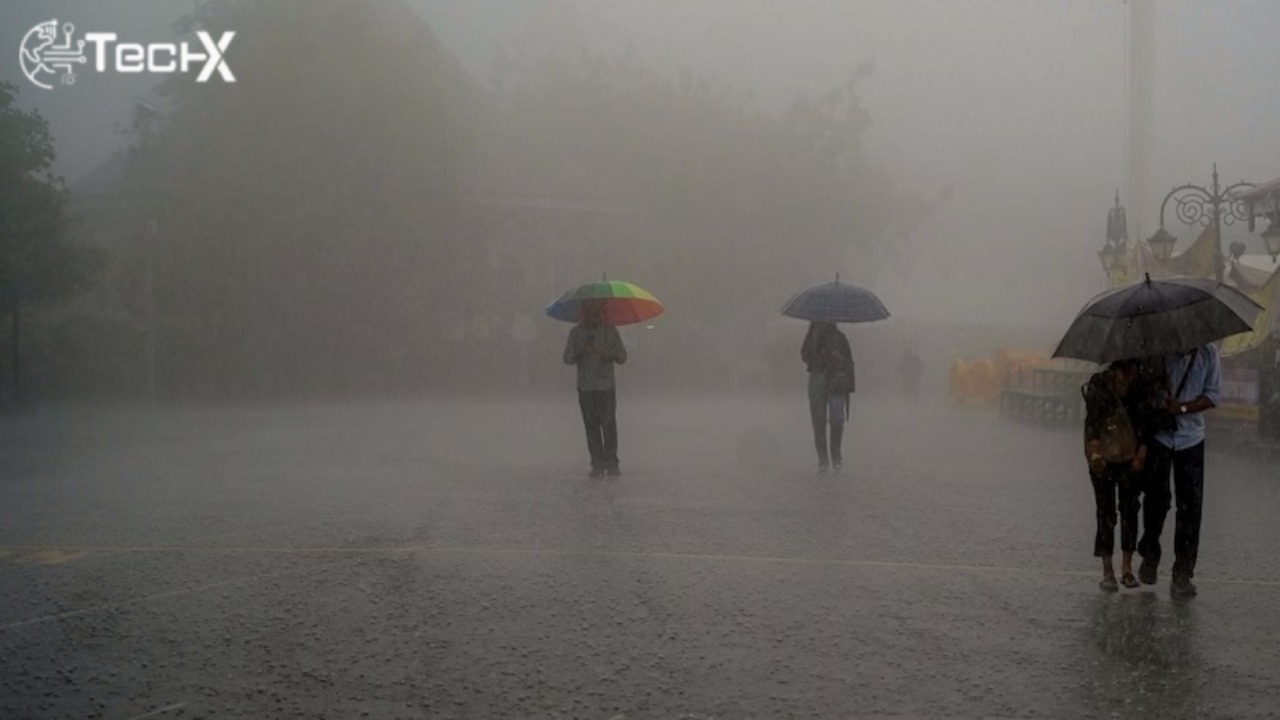
The Met Office has forecast significant weather changes before Eid-ul-Adha. Moist currents are entering the northeastern regions, while a westerly wave is expected in upper areas by June 3. This system will bring dust storms, rain, thunderstorms, and even hailstorms in several areas. Residents should prepare for potential disruptions and take necessary precautions.
Expected Rainfall in Northern Areas
From June 2 (evening/night) to June 5, Kashmir, Gilgit Baltistan, Murree, and Galliyat may experience isolated heavy rainfall and hailstorms. Chitral, Dir, Swat, Malakand, and Abbottabad will also face intermittent storms. Occasional gaps are expected, but the intensity could damage infrastructure. Tourists and locals should stay updated on weather advisories.
Central Regions on High Alert
Islamabad, Rawalpindi, Lahore, and other central districts will likely witness dust storms and thunderstorms from June 3 (evening/night) to June 4. Southern Punjab may experience severe dust storms. Authorities warn of potential damage to loose structures, including electric poles and solar panels. Farmers should delay harvesting if heavy rain is predicted to avoid crop losses.
Also Read: Punjab Announces Relief for Vehicle Owners Ahead of Emission Testing Deadline
Impact on Eid Celebrations
Parts of Khyber Pakhtunkhwa, including Dir, Swat, and Mansehra, may experience rain-wind and thunderstorms from June 7 (evening/night) to June 9. Eid travelers should plan journeys cautiously, as wet conditions could lead to roadblocks or accidents. Emergency services are advised to remain on standby to handle weather-related incidents.
Precautionary Measures for Public Safety
Residents in affected areas should secure loose objects and avoid unnecessary travel during storms. Lightning poses a serious risk, so staying indoors is advisable. Tourists visiting northern regions must check weather updates and follow local guidelines. Emergency contact numbers should be saved for immediate assistance if needed.
Advice for Farmers and Agriculture
Farmers are urged to adjust crop activities based on weather forecasts. Heavy rains and hailstorms can damage standing crops, so protective measures should be taken. Storing harvested produce safely is crucial to prevent losses. Agricultural departments may issue further guidelines as the situation develops.
Conclusion: Stay Prepared
With unpredictable weather expected before Eid, vigilance is key. Monitoring official updates will help mitigate risks. Whether traveling or celebrating at home, taking precautions ensures safety. The Met Office will continue issuing alerts, and citizens must stay informed to avoid weather-related hazards. Let’s prioritize safety while enjoying the festive season.