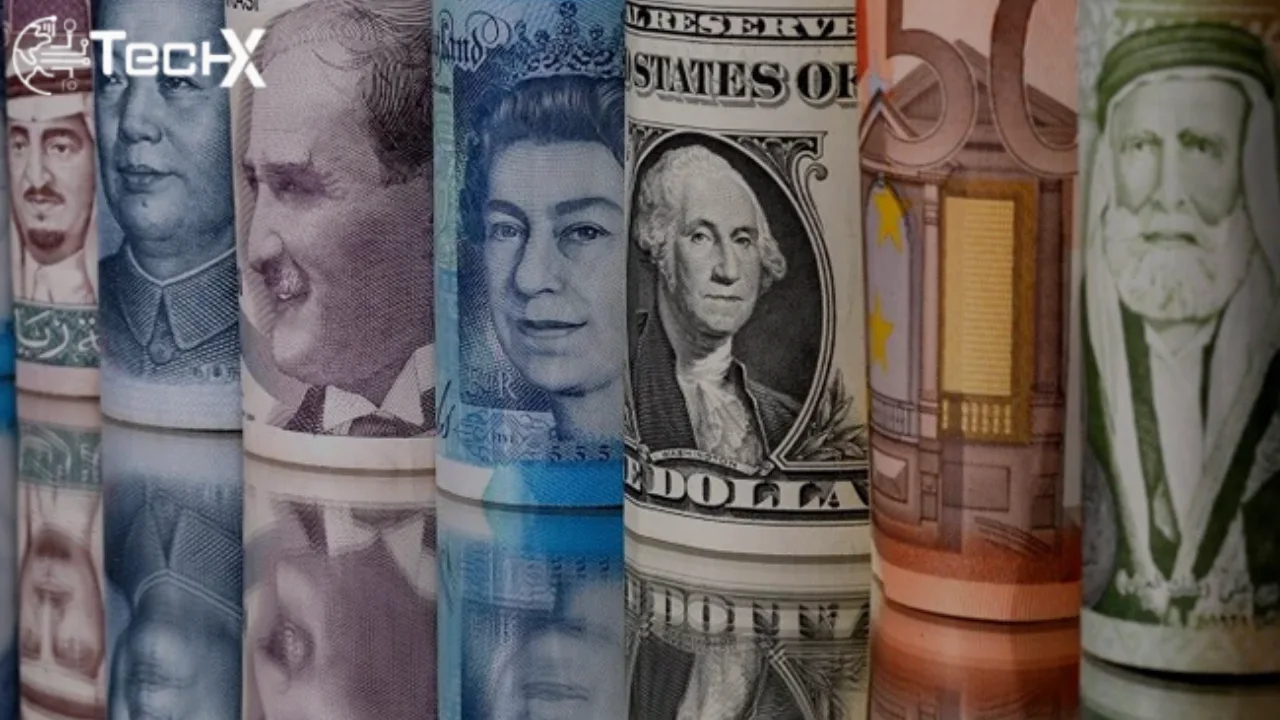
The US dollar (USD) remains the world’s dominant reserve currency, but several other currencies hold a higher nominal value meaning one unit of their currency is worth more than one USD. These currencies often belong to nations with strong economies, abundant natural resources, or stable monetary policies.
As of 2025, global currency values continue to shift due to economic trends, geopolitical events, and central bank policies. In this article, we explore the strongest currencies relative to the US dollar, analyzing why they outperform the greenback and what factors contribute to their strength.
Why Are Some Currencies Stronger Than the USD?
A currency’s strength depends on several key factors:
- Economic Stability – Countries with low inflation, steady GDP growth, and political security tend to have stronger currencies.
- Commodity Exports – Oil-rich nations (e.g., Kuwait, Oman) often maintain high-valued currencies due to energy revenues.
- Currency Pegs – Some governments fix their exchange rates to the USD or a basket of currencies to ensure stability.
- Safe-Haven Demand – Currencies like the Swiss franc (CHF) attract investors during global uncertainty.
Top 10 Strongest Currencies Against the USD (2025)
| Rank | Currency | Code | Exchange Rate (≈ USD) | Key Strengths | Economic Notes |
|---|---|---|---|---|---|
| 1 | Kuwaiti Dinar | KWD | 1 KWD = 3.26 USD | Oil reserves, high exchange rate policy | Petroleum-dependent; stabilized by sovereign wealth fund. |
| 2 | Bahraini Dinar | BHD | 1 BHD = 2.65 USD | USD peg, robust financial sector & oil wealth | Diversifying into banking/tourism but energy-reliant. |
| 3 | Omani Rial | OMR | 1 OMR = 2.60 USD | Oil/gas exports, USD peg | Reforms to reduce hydrocarbon reliance. |
| 4 | Jordanian Dinar | JOD | 1 JOD = 1.41 USD | USD peg since 1995, fiscal prudence | Limited resources but maintains stability. |
| 5 | British Pound | GBP | 1 GBP = 1.30 USD | Post-Brexit recovery, BoE rate hikes | Major reserve currency; strong financial markets. |
| 6 | Euro | EUR | 1 EUR = 1.12 USD | ECB monetary tightening, EU economic growth (led by Germany/France) | Southern EU nations lag behind. |
| 7 | Swiss Franc | CHF | 1 CHF = 1.15 USD | Safe-haven demand, low inflation, political neutrality | Resilient economy. |
| 8 | Cayman Islands Dollar | KYD | 1 KYD = 1.20 USD | Offshore financial hub, USD peg | Banking/investment-driven economy. |
| 9 | Gibraltar Pound | GIP | 1 GIP = 1 GBP (1.30 USD) | Pegged to GBP | Used alongside GBP in Gibraltar. |
| 10 | Brunei Dollar | BND | 1 BND = 0.75 USD (1:1 SGD) | Pegged to Singapore dollar (SGD), oil/gas exports | SGD’s stability and Brunei’s energy wealth support value. |
Key Takeaways:
- Gulf Currencies Dominate: KWD, BHD, and OMR lead due to oil wealth and USD pegs.
- Stable European Currencies: GBP, EUR, and CHF benefit from economic recovery and investor confidence.
- Unique Cases:
-
- KYD and GIP derive strength from financial hubs and pegs.
- BND’s value is tied to Singapore’s economy despite lower nominal USD value.
Also Read: Gold and Currency Exchange Rates in Pakistan
Will the US Dollar Lose Its Dominance?
While these currencies are stronger in nominal terms, the USD remains the world’s primary reserve currency due to:
- Global Trade Dominance – Most commodities (like oil) are priced in USD.
- Federal Reserve Influence – The US central bank’s policies impact global markets.
- Liquidity & Stability – The USD is the most traded and trusted currency worldwide.
However, the rise of digital currencies (CBDCs) and de-dollarization efforts (e.g., BRICS promoting local currency trade) could shift dynamics in the long term.
Conclusion
In 2025, the Kuwaiti dinar (KWD), Bahraini dinar (BHD), and Omani rial (OMR) remain the strongest currencies against the US dollar, largely due to oil wealth and fixed exchange rates. Meanwhile, traditional strong currencies like the British pound (GBP), euro (EUR), and Swiss franc (CHF) hold their ground due to economic resilience. While the USD’s dominance isn’t fading soon, shifts in global trade and monetary policies could reshape currency strength in the coming years.