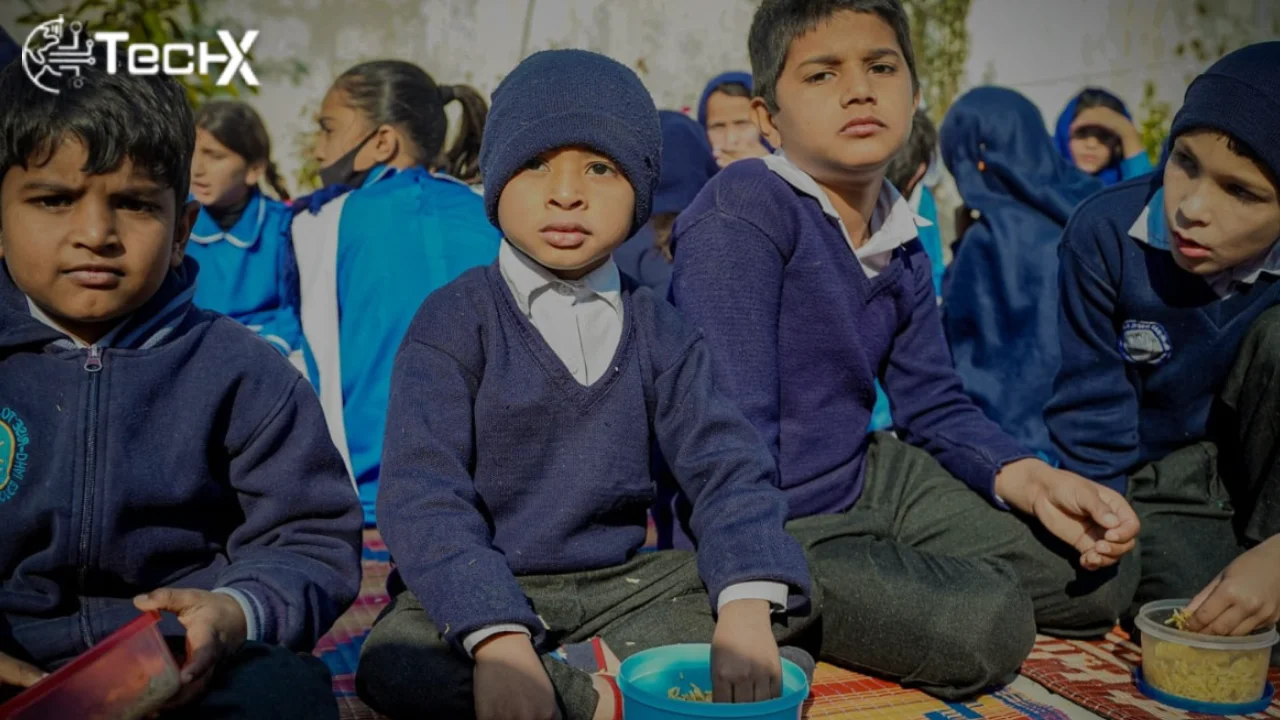
The Sindh government, partnering with Allah Wale Trust, has introduced a free meal programme in schools to address malnutrition and enhance learning outcomes. Launched at Government Boys Primary School in Murad Memon Goth, Malir, the initiative targets children from economically disadvantaged backgrounds. Education Minister Syed Sardar Shah emphasized his role in boosting attendance and academic performance through better nutrition.
First Phase to Benefit 100,000 Students
The programme’s initial phase will provide meals to approximately 100,000 students across underprivileged areas. The provincial government is funding the project, while Allah Wale Trust manages food logistics, preparation, and distribution. This collaboration ensures transparency and quality control. The initiative reflects Sindh’s commitment to improving child welfare and education by addressing hunger as a barrier to learning.
Linking Nutrition to Academic Success
Minister Shah highlighted the critical connection between nutrition and cognitive development. Malnourished children often struggle with concentration and academic performance, leading to higher dropout rates. By providing daily meals, the programme aims to enhance learning abilities and encourage out-of-school children to return. Global evidence supports such initiatives, showing improved attendance and academic results where school meal programmes are implemented.
Also Read: Punjab Announces Major Relief for Married Female Teachers
Alleviating Poverty’s Impact on Child Health
Pakistan ranks among the world’s poorest nations, with 42% of its population living below the poverty line. Many families cannot afford nutritious meals, affecting children’s physical and mental growth. The free meal programme eases financial strain on parents while ensuring children receive essential nutrients. Shah stressed that healthier students are more likely to attend school regularly and perform better academically.
Community Partnership for Sustainable Impact
Allah Wale Trust’s Chairperson, Shahid Lone, announced that 700 students at the launch school will receive daily meals immediately. The Trust’s community-driven approach ensures efficient implementation. Centralised kitchens will prepare hygienic, warm meals delivered under controlled conditions. Handwashing facilities will also be installed to promote hygiene, further safeguarding children’s health.
Scientific Evaluation to Measure Progress
Dr. Fauzia Khan, Additional Secretary of Education, revealed that the programme’s impact will be assessed through Body Mass Index (BMI) measurements. Students’ health data will be collected before implementation and after four months to track improvements. This evidence-based approach will help refine the initiative and address any gaps, ensuring long-term benefits for Sindh’s schoolchildren.
A Step Toward a Healthier, Educated Future
The free meal programme marks a significant step in Sindh’s efforts to combat malnutrition and improve education. By addressing hunger, the government aims to create a conducive learning environment and reduce dropout rates. With proper execution and community support, this initiative could serve as a model for other regions, fostering a healthier, more educated generation.