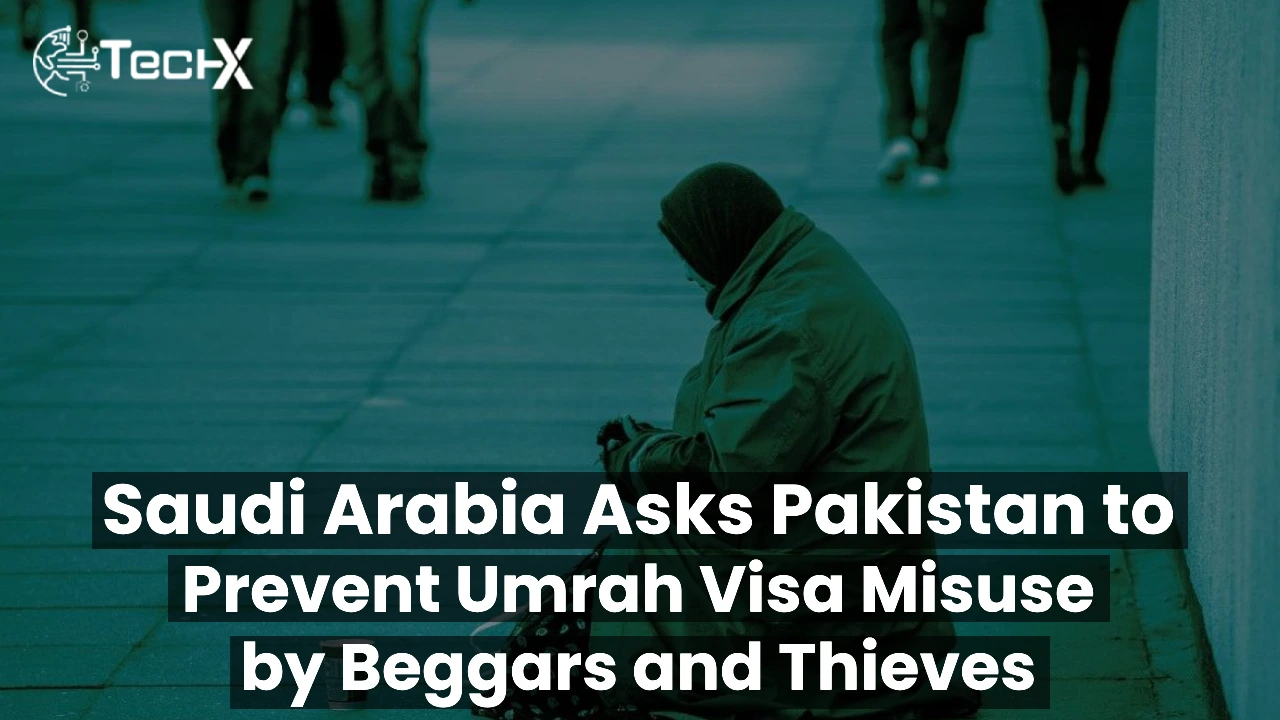
Saudi Arabia has voiced significant concerns to Pakistan about the misuse of Umrah visas by Pakistani nationals engaging in begging and thievery. The Saudi Ministry of Hajj and Umrah has highlighted this issue, emphasizing the negative impact on the religious sanctity of the pilgrimage. This issue not only contravenes local laws but also damages the spiritual and cultural ethos associated with Umrah.
Rising Concerns Over Visa Misuse
The increasing number of Pakistani beggars and thieves using Umrah visas to enter Saudi Arabia has prompted a stern response from Saudi officials. The misuse of these visas threatens the integrity of a pilgrimage considered sacred within Islam. Saudi authorities are now considering implementing stricter visa protocols to ensure that only genuine pilgrims can undertake the journey, maintaining the pilgrimage’s sanctity.
Potential Consequences for Genuine Pilgrims
Saudi Arabia’s potential tightening of visa regulations could have significant repercussions for genuine pilgrims from Pakistan. Many devout Muslims might face new hurdles or even restrictions in fulfilling their religious obligations if the misuse continues unchecked. This puts additional pressure on Pakistani authorities to address the problem effectively to prevent undesired constraints on their citizens.
Pakistan’s Response and Measures
In response to Saudi Arabia’s concerns, Pakistan’s Ministry of Religious Affairs is taking proactive steps by proposing an “Umrah Act”. This legislative effort aims to regulate travel agencies and ensure that Umrah visas are used appropriately. The act would set ethical standards and operational guidelines that all facilitation agencies must adhere to, minimizing the chances of visa misuse.
Crackdown on Organized Crime
The Pakistani government is collaborating with the Federal Investigation Agency (FIA) to dismantle networks that exploit the Umrah visa system. These groups often orchestrate the travel of individuals to Saudi Arabia under the pretense of religious pilgrimage, only for them to engage in unlawful activities. Effective policing and stricter enforcement are expected to curtail these operations significantly.
The Role of Community Awareness
Community awareness plays a crucial role in combating the misuse of Umrah visas. Educating potential pilgrims about the legal and ethical implications of visa misuse can help prevent exploitation. Community leaders and clerics are being encouraged to speak out against these practices, reinforcing the sacred purpose of the Umrah pilgrimage.
Strengthening Bi-lateral Cooperation
Enhanced cooperation between Saudi and Pakistani authorities could lead to better monitoring and management of travel under Umrah visas. Joint efforts could include sharing intelligence, conducting background checks, and developing more stringent criteria for visa approval, ensuring that only genuine pilgrims are granted access.
Impact on Travel Agencies
Travel agencies play a pivotal role in the Umrah visa process, and under Pakistan’s proposed Umrah Act, their responsibilities will increase significantly. Agencies will need to ensure thorough vetting of pilgrims and maintain transparent operations to avoid penalties. This shift could lead to higher operational costs but ultimately contributes to a more secure and dignified pilgrimage experience.
Educational Campaigns and Public Involvement
To further combat the issue of visa misuse, Pakistan is launching educational campaigns targeting prospective pilgrims. These campaigns will inform them of the legal repercussions and the spiritual disservice associated with misusing Umrah visas. Public involvement is crucial, as community feedback can help authorities fine-tune their strategies and ensure that measures are culturally respectful and effective.
Technological Enhancements
Technological advancements could also play a crucial role in curbing the misuse of Umrah visas. The implementation of biometric verification, enhanced surveillance, and digital tracking of pilgrims could deter potential violators while facilitating the smooth processing of genuine applicants. Both Saudi Arabia and Pakistan are exploring these options to modernize their approach to managing religious tourism.
Long-Term Benefits
The long-term benefits of effectively addressing Umrah visa misuse include improved international relations, enhanced security, and a better pilgrimage experience for all. As Saudi Arabia and Pakistan tighten their cooperative measures, the hope is that other countries will observe and perhaps adopt similar policies, promoting a more organized and respectful approach to religious tourism globally.
Conclusion
The issue of Umrah visa misuse by Pakistani beggars and thieves is a significant concern for Saudi Arabia, prompting a reevaluation of visa policies. Pakistan’s government is stepping up with legislative and enforcement measures to address this challenge. For the sanctity of Umrah to be preserved, both countries must collaborate effectively, ensuring that this religious rite remains a profound experience for true believers.