The State Bank of Pakistan (SBP) has received a $1.2 billion tranche of a $3 billion SBA loan that the IMF has approved, but the decision to increase the power tariff is still pending.
“IMF wants the government to raise the required hike in power tariff at any cost and the government has no option to escape it,” the relevant top official told the news agency.
Nepra and Finance Ministry Meeting on Power Tariff
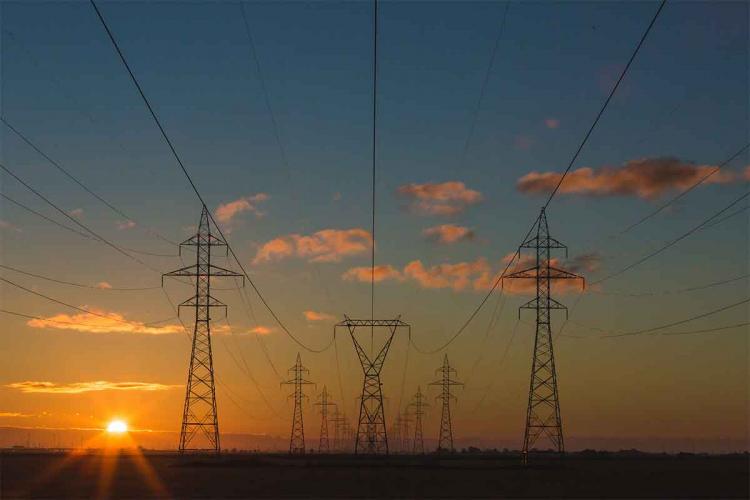
The Nepra and Finance Ministry officials, on the other hand, spent the entire day of Thursday trying to come to an agreement about the power tariff increase for the financial year 2023–2024 in a way that the hike in the tariff should not be on the higher side but at a lower side based on realistic figures of dollars value, inflation, GDP growth, and growth in the sale of electricity in FY24.
“If the base tariff is kept at the lower side in the range of Rs. 4-6 per unit, then monthly fuel charges adjustments and quarterly tariff adjustments would be at the high side, and if the base tariff is announced between Rs. 6.5-7 per unit, and the consumers will have to pay FCA fluctuation in paisas.”
He said that the consensus document about the increase in the power base pricing has virtually reached agreement on both parties. The regulator is most likely to make final adjustments to the text today (Friday), at which point it may also publish the new base tariff.
The government aims to keep the base tariff increase on the lesser side because the caretaker government would take control of the nation by August 13 and because it will rely on the populace to win the elections. “Some members of the regulator also want the new base tariff not on the high side.”
When asked why the regulator did not base the federal budget on the dollar’s value of Rs. 290, the official responded that since the IMF approved the SBA program, the situation has changed and the dollar’s value will decline, currently standing at Rs. 277, and the declining trend may also help lower inflation in FY24. The budget estimates that GDP will expand by 3.5 percent and that inflation will be 21 percent.
The regulator had previously developed three options for a new base tariff: below Rs. 8 per unit, below Rs. 7 (Rs. 6.91 per unit), and below Rs. 6. Prior to that, it also calculated an increase in the basic tariff of between Rs. 4 and Rs. 5 per unit.
In the new scenario, the Finance Ministry and Nepra have both agreed to a consensus document about the rise in the electricity base tariff, and the regulator is likely to announce the increase in the tariff today (Friday).
Top read our blog on “NEPRA approves 58 paisas hike in K-Electric power tariff,” click here.