The Punjab government has introduced an innovative recycling initiative under the Chief Minister’s Green Credits Program. Citizens can now earn money by depositing plastic bottles at designated vending machines. This eco-friendly scheme aims to reduce plastic waste while rewarding sustainable behavior. The program is set to launch in Lahore, with plans for expansion across the province, marking a major step in environmental conservation.
How the Recycling Scheme Works
Residents can earn Rs. 1,000 by submitting 20 large (1.5-liter) or 40 small (0.5-liter) plastic bottles. Specially designed vending machines will be installed in four Lahore universities initially, followed by markets and commercial areas. The initiative incentivizes recycling by offering direct financial benefits, making it easier for people to contribute to a cleaner environment while earning extra income.
Tech-Driven Recycling Machines
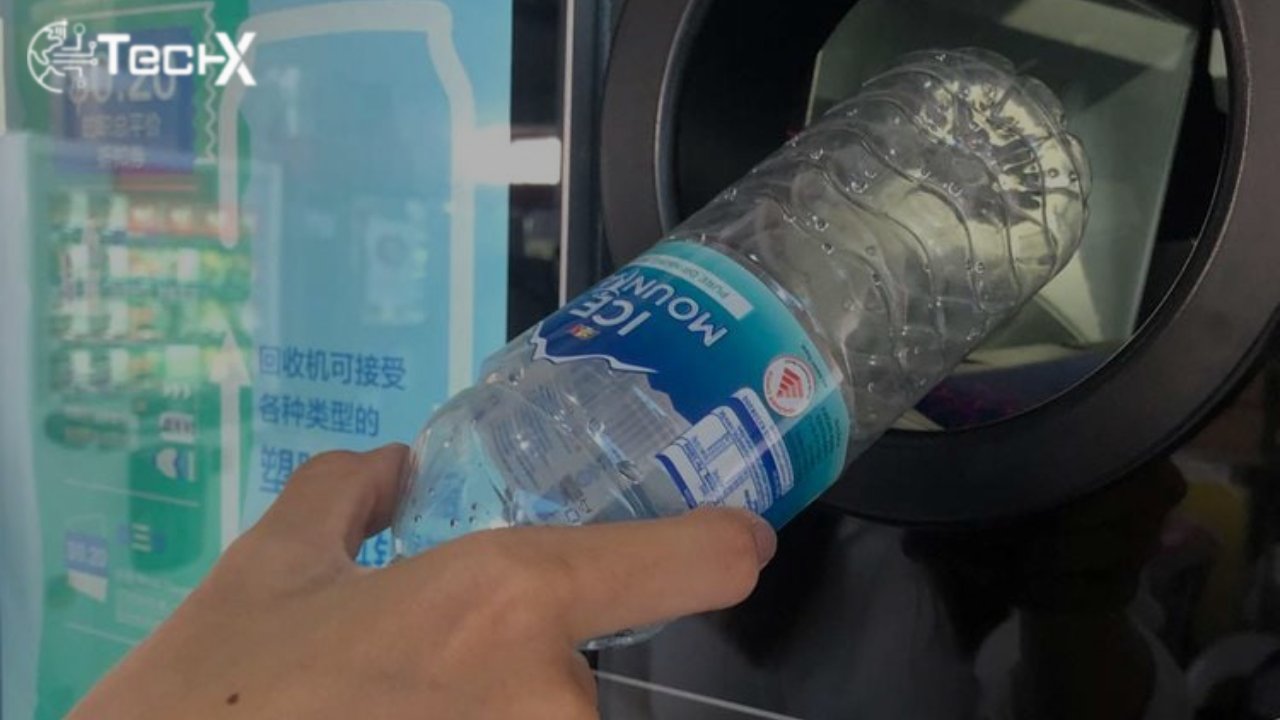
The recycling machines, developed with Chinese technology, feature a simple, user-friendly process. Users press Button A to insert a bottle, enter their phone number, and press Button B to receive green credits. The credits are displayed on-screen and tracked via a mobile app. The machines have two compartments for collection and operate digitally, ensuring transparency and convenience for users.
Also Read: NayaPay Unveils Bold New Brand Identity and Revamped App Experience
Public-Private Partnership for Sustainability
The Punjab government has partnered with a private company led by Gulfam Abid to implement this project. The company will manage the installation and operation of the recycling machines. This collaboration ensures efficient waste collection and processing, leveraging private-sector expertise to enhance the program’s effectiveness while creating economic opportunities.
Transforming Waste into Useful Products
According to Gulfam Abid, Lahore generates 500 tons of plastic bottle waste daily. The collected plastic will be recycled into eco-friendly construction materials, including sidewalk tiles, bricks, and road patching supplies. This approach not only reduces landfill waste but also supports sustainable infrastructure development, demonstrating a circular economy model in action.
Involving Junkyards in Recycling Efforts
The program also includes Lahore’s 18,000 junkyards, integrating informal waste collectors into the formal recycling system. Vendors can use the app to request pickups, after which company representatives collect bottles and make payments. This inclusion boosts local livelihoods while increasing recycling rates, ensuring broader participation in environmental conservation.
Encouraging Citizen Participation
By offering monetary rewards, the government encourages widespread public involvement in recycling. The initiative makes sustainability accessible and profitable, motivating individuals to adopt eco-friendly habits. The mobile app allows users to track earnings, further enhancing engagement and transparency in the recycling process.
A Step Towards a Plastic-Free Punjab
This initiative addresses Punjab’s growing plastic pollution problem by incentivizing responsible waste disposal. The combination of financial rewards, technology, and public awareness campaigns sets a precedent for other regions. The program’s success could inspire similar projects nationwide, accelerating Pakistan’s transition to a greener future.
Conclusion: A Sustainable Urban Model
Punjab’s cash-for-bottles scheme represents a progressive approach to waste management. By blending financial incentives, modern technology, and community participation, the government is fostering a culture of sustainability. This project not only tackles plastic pollution but also strengthens the local economy, proving that environmental and economic benefits can go hand in hand.